
Key Takeaways
- Adult ear infections fall into three types: outer ear (swimmer's ear), middle ear (otitis media), and inner ear infections
- Common symptoms include ear pain, pressure, muffled hearing, fluid drainage, and sometimes fever
- Most adult ear infections require professional evaluation because they can cause hearing changes if left untreated
- Treatment options range from prescription ear drops to oral antibiotics depending on the infection type and severity
- Adults get ear infections from colds, allergies, sinus infections, water exposure, and changes in air pressure
- Ear to Hear provides professional hearing evaluations to check for infection-related hearing changes
Ear infections are not just a childhood problem. At Ear to Hear in Wesley Chapel, our licensed specialists help adults across Florida diagnose and treat ear infections that cause pain, pressure, and hearing changes. Many adults are surprised when they develop an ear infection later in life, but the condition is more common than most people realize.
Understanding the symptoms, causes, and treatment options for adult ear infections helps you know when to seek professional care. This guide explains the different types of ear infections, how they affect adults, and what treatment options bring relief.
What Is an Ear Infection in Adults?
An ear infection occurs when bacteria or viruses cause inflammation and fluid buildup in the ear. Adults can develop infections in any part of the ear, and each type produces different symptoms and requires different treatment.
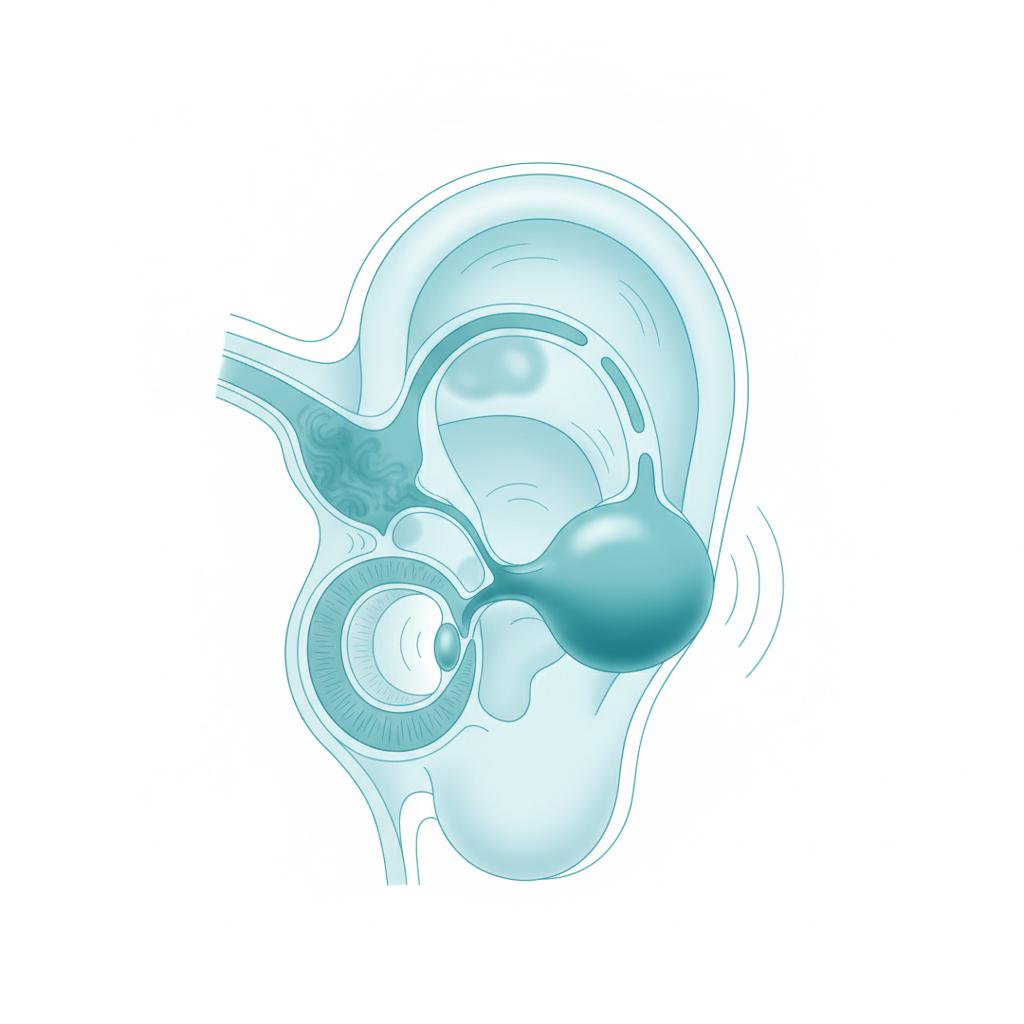
The ear has three main sections: the outer ear (ear canal), the middle ear (behind the eardrum), and the inner ear (where hearing and balance nerves are located). Infections can affect any of these areas, though middle ear infections are the most common type in adults.
Unlike children, who often outgrow the tendency for ear infections as their anatomy matures, adults can develop them at any age. The infections may follow a cold, sinus infection, allergy flare-up, or water exposure.
Types of Ear Infections in Adults
Outer Ear Infection (Otitis Externa)
Outer ear infections, also known as swimmer's ear, affect the ear canal between the outside of the ear and the eardrum. Bacteria enter through small breaks in the skin lining the canal, often after water exposure removes the protective earwax layer.
Symptoms include ear canal pain, itching, redness, swelling, and sometimes clear or cloudy drainage. The pain often worsens when you pull on the earlobe or press on the area around the ear.
Outer ear infections are typically treated with prescription antibiotic ear drops. Most cases clear within 7 to 10 days with proper treatment.
Middle Ear Infection (Otitis Media)
Middle ear infections occur behind the eardrum in the space called the middle ear. They develop when the Eustachian tube, which connects the middle ear to the back of the throat, becomes blocked. Fluid builds up behind the eardrum, creating an environment where bacteria or viruses can grow.
Adults with middle ear infections experience ear pain, pressure, muffled hearing, and sometimes a feeling of fullness in the ear. Fever may accompany more severe infections. The eardrum may bulge visibly, and in some cases, fluid drains from the ear if the eardrum ruptures.
Treatment depends on the cause. Bacterial infections often require oral antibiotics. Viral infections may resolve on their own with symptom management. If fluid persists after the infection clears, a hearing evaluation can determine whether the buildup is affecting your hearing.
Inner Ear Infection
Inner ear infections are less common but more serious. They affect the labyrinth, the structure that controls hearing and balance. Symptoms include sudden hearing loss, severe dizziness (vertigo), nausea, and balance problems.
Inner ear infections require prompt medical attention. Treatment may include prescription medications to reduce inflammation and manage symptoms. Hearing changes from inner ear infections can be permanent if not addressed quickly, so seeking care from a licensed specialist is essential.
How Do Adults Get Ear Infections?
Adults develop ear infections through several pathways:
| Cause | How It Leads to Infection |
|---|---|
| Colds and sinus infections | Cause congestion that blocks the Eustachian tube, trapping fluid in the middle ear |
| Allergies | Create inflammation that narrows the Eustachian tube and prevents proper drainage |
| Water exposure | From swimming or showering can introduce bacteria into the ear canal, causing outer ear infections |
| Air pressure changes | From flying, diving, or driving through mountains can stress the Eustachian tube |
| Smoking or secondhand smoke | Irritates the Eustachian tube lining and increases infection risk |
| Upper respiratory infections | Spread to the ear through connected passageways |
| Existing ear conditions | Like narrow ear canals or chronic skin conditions make infections more likely |
Symptoms of an Ear Infection in Adults
Recognizing ear infection symptoms early helps you seek treatment before complications develop:
| Symptom | Description |
|---|---|
| Ear pain | Ranges from mild discomfort to sharp, severe pain |
| Pressure or fullness | In the ear that feels like being underwater |
| Muffled hearing | A noticeable decrease in hearing clarity |
| Fluid drainage | From the ear that may be clear, yellow, or slightly bloody |
| Fever | May accompany middle ear infections |
| Dizziness or balance problems | Indicate inner ear involvement |
| Tinnitus | (ringing in the ear) that develops with the infection |
| Jaw pain | Or discomfort when chewing, as the jaw joint sits near the ear canal |
If you experience hearing changes along with ear pain, a hearing test can determine whether the infection has affected your hearing and whether treatment is needed.
What Do You Do for an Ear Infection?
The right treatment depends on the type and severity of the infection. Here is what you should do:
See a licensed specialist. Ear infections in adults require professional diagnosis. Over-the-counter pain relievers like ibuprofen or acetaminophen can manage pain temporarily, but they do not treat the underlying infection.
Use prescribed medications. Your specialist may prescribe antibiotic ear drops for outer ear infections or oral antibiotics for bacterial middle ear infections. Always complete the full course of medication even if symptoms improve before the prescription is finished.
Keep the ear dry. Avoid swimming and minimize water exposure during treatment. If you shower, place a cotton ball coated with petroleum jelly gently in the outer ear to keep water out.
Apply warm compresses. A warm, moist cloth held against the affected ear can reduce pain and pressure. Do not insert anything into the ear canal.
Monitor hearing changes. If hearing does not return to normal after the infection clears, schedule a follow-up hearing evaluation. Persistent fluid behind the eardrum can cause ongoing hearing issues.
Can an Adult Ear Infection Go Away on Its Own?
Some adult ear infections resolve without antibiotics, particularly viral infections of the middle ear. However, you should not assume the infection will clear on its own without professional evaluation.
Bacterial infections typically require antibiotics to prevent complications. Left untreated, middle ear infections can lead to eardrum rupture, chronic fluid buildup, or hearing changes. Outer ear infections can spread to surrounding tissue if the bacteria are not controlled.
The safest approach is to see a licensed specialist for a proper diagnosis. They can determine whether the infection is viral or bacterial and recommend the appropriate treatment plan.
Complications of Untreated Ear Infections
Adults who delay treatment risk several complications:
| Complication | Description |
|---|---|
| Hearing changes | From persistent fluid or damage to the eardrum |
| Eardrum perforation | May require surgical repair if it does not heal on its own |
| Chronic ear infections | Recur repeatedly when the initial infection is not fully resolved |
| Mastoiditis | A rare but serious infection of the bone behind the ear |
| Tinnitus | Persists after the infection clears |
Most complications are preventable with prompt treatment. If you have ear pain lasting more than two days, fluid draining from the ear, or hearing changes, seek professional care promptly.
How to Prevent Ear Infections in Adults
Several habits can reduce your risk of developing ear infections:
- Dry ears thoroughly after swimming or showering by tilting your head and gently towel-drying the outer ear
- Avoid cotton swabs in the ear canal, as they can push wax deeper or scratch the canal lining
- Manage allergies with appropriate medications to reduce Eustachian tube inflammation
- Quit smoking or avoid secondhand smoke, which irritates ear passages
- Treat colds promptly and use decongestants if you feel congestion building
- Chew gum or yawn during air travel to keep Eustachian tubes open during pressure changes
When to See a Specialist
Contact a licensed hearing specialist or visit Ear to Hear if you experience:
- Ear pain lasting more than 48 hours
- Fluid draining from the ear
- Sudden hearing changes or muffled hearing
- Dizziness or balance problems with ear symptoms
- Fever above 101 degrees with ear pain
- Recurring ear infections that keep coming back
How Ear to Hear Can Help
Ear to Hear has helped patients across Wesley Chapel, Florida and multiple locations in Florida, Illinois, and Missouri with ear infections and hearing concerns for over a decade. Our licensed specialists provide thorough ear evaluations, hearing tests, and treatment guidance.
We can determine whether an ear infection has affected your hearing, monitor your recovery, and provide ongoing care if hearing changes persist. If you need hearing aids after an infection causes lasting hearing changes, our team fits and programs devices tailored to your needs.
Schedule a free hearing test today if you are experiencing ear pain, pressure, or hearing changes.
Frequently Asked Questions
Adults get ear infections when bacteria or viruses enter the ear through connected passageways. Colds, sinus infections, allergies, water exposure, and air pressure changes can all trigger infections. The Eustachian tube, which connects the middle ear to the throat, is a common entry point for infection-causing organisms.
See a licensed specialist for proper diagnosis and treatment. Treatment may include prescription antibiotic ear drops for outer ear infections or oral antibiotics for bacterial middle ear infections. Over-the-counter pain relievers can manage discomfort temporarily. Keep the ear dry and apply warm compresses for pain relief while awaiting treatment.
Some viral ear infections resolve without antibiotics, but bacterial infections typically require medication. You should not assume the infection will clear without professional evaluation. Untreated infections can lead to hearing changes, eardrum rupture, or chronic infections. See a specialist for a proper diagnosis and treatment plan.
Common signs include ear pain, pressure or fullness in the ear, muffled hearing, fluid drainage, and sometimes fever. If you pull on your earlobe and feel increased pain, this may indicate an outer ear infection. Middle ear infections often cause a feeling of being underwater. Any hearing changes with ear discomfort warrant a professional evaluation.
Experiencing Ear Pain or Hearing Changes?
A free hearing evaluation from our licensed specialists gives you clear answers about your symptoms and personalized recommendations. Schedule your free hearing test today.
References
- National Institute on Deafness and Other Communication Disorders (NIDCD) - Ear Infections Information
- Centers for Disease Control and Prevention (CDC) - Ear Infection Treatment Guidelines
- American Academy of Otolaryngology - Adult Ear Infection Guidelines
- American Speech-Language-Hearing Association (ASHA) - Hearing Health Resources