
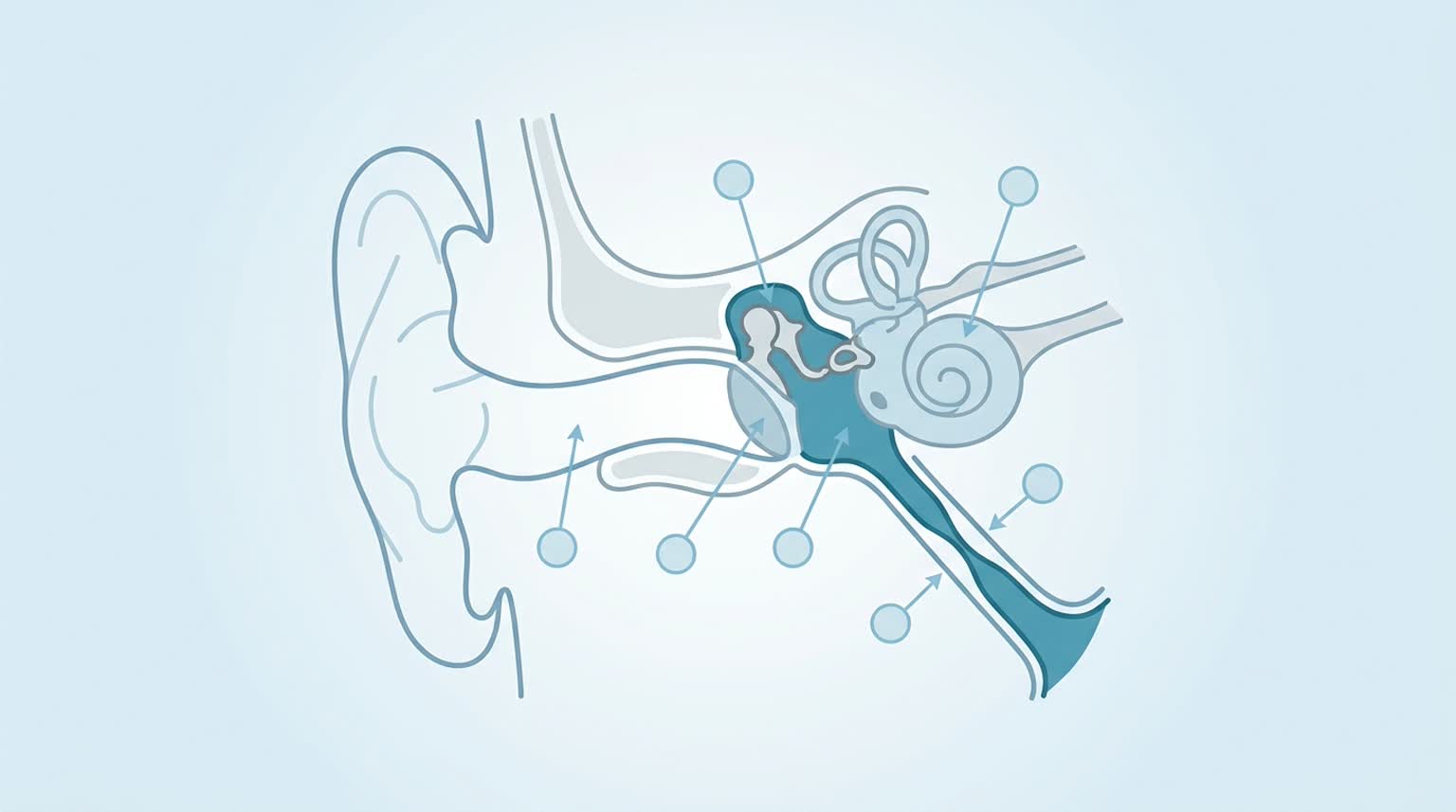
Learning how to unclog ears can bring fast relief when that blocked, underwater feeling takes over. Clogged ears are among the most common reasons people visit a local hearing specialist - and for good reason. That muffled hearing, persistent ear pressure, and constant jaw popping can make everyday conversations feel exhausting. At Ear to Hear in Wesley Chapel, our licensed hearing specialists help you uncover exactly what is blocking your ears and guide you to trusted relief - whether that means simple home techniques or professional treatment.
Key Takeaways
- Clogged ears usually stem from earwax buildup, eustachian tube dysfunction, middle ear fluid, allergies, or altitude pressure changes
- Simple methods - swallowing, yawning, Valsalva maneuver, warm compresses - deliver fast relief for mild ear pressure
- Never insert objects into your ear canal; cotton swabs push wax deeper and risk eardrum damage
- If ear blockage lasts beyond two weeks or includes pain or hearing loss, a trusted hearing specialist can determine the cause and provide personalized relief
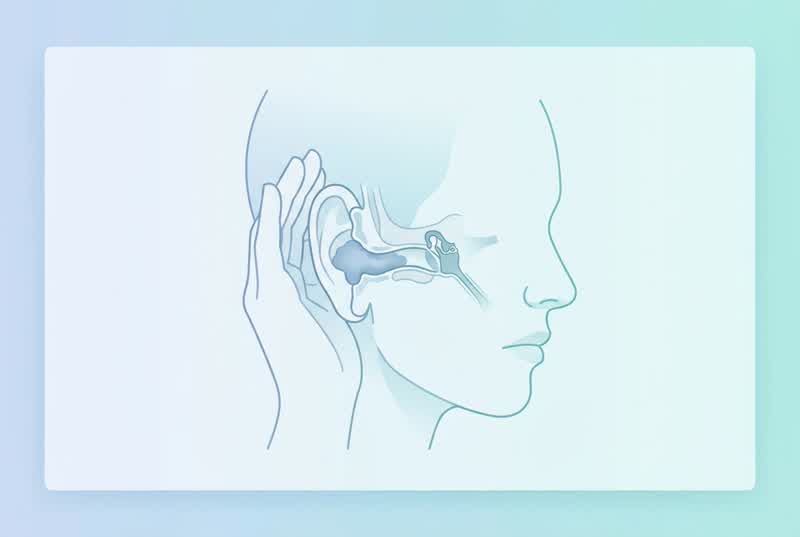
Why Your Ears Feel Blocked: 5 Common Causes
Before you can find the right way to unclog your ears, it helps to understand what is actually causing that blocked sensation. Here are the five most common culprits:
Earwax Buildup Creates a Sound Barrier
Your ears naturally produce wax (cerumen) to protect the ear canal from dust, bacteria, and moisture. Normally, wax migrates outward on its own. But when wax accumulates faster than it exits - often because of cotton swab use, hearing aid wear, or naturally narrow ear canals - it forms a plug that blocks sound and creates that unmistakable feeling of fullness. Earwax impaction is one of the most treatable causes of clogged ears.
Eustachian Tube Dysfunction Traps Pressure
The eustachian tubes connect your middle ear to the back of your throat and regulate air pressure behind the eardrum. When these tubes become inflamed from a cold, sinus infection, or allergies, they cannot open properly to equalize pressure. The result is a persistent clogged ear feeling, popping or crackling sounds, and sometimes mild discomfort that makes it hard to hear clearly.
Fluid in the Middle Ear Muffles Everything
When the eustachian tube stays blocked, fluid can collect in the middle ear space - a condition called otitis media with effusion. This is especially common after a respiratory infection. The fluid dampens eardrum vibration, making everything sound muffled, as if you are listening through water. Many parents recognize this issue in children, but it affects adults too.
Altitude Changes Overwhelm Ear Pressure
Flying, scuba diving, or driving through mountains changes external air pressure faster than your eustachian tubes can adjust. This pressure imbalance pushes the eardrum inward or outward, causing that familiar airplane ear sensation. The good news: it usually clears within hours once you land or descend.
Allergies and Sinus Congestion Block the Pathway
Seasonal allergies cause inflammation throughout the nasal passages and eustachian tube openings. The resulting congestion blocks the tube and creates ear fullness, even when there is no wax or fluid in the ear canal itself. If your ears clog every spring or fall, allergies may be the underlying cause.
7 Safe Ways to Unclog Your Ears at Home
For mild ear blockage, these proven home remedies can help restore clear hearing - no special equipment needed:
Swallow, Yawn, or Chew to Open the Tube
The simplest and safest method to unclog ears from pressure changes is to activate the muscles that open the eustachian tube. Swallow water, chew gum, or deliberately yawn. These actions are often enough to equalize pressure after a flight or during a mild cold - and they work in minutes.
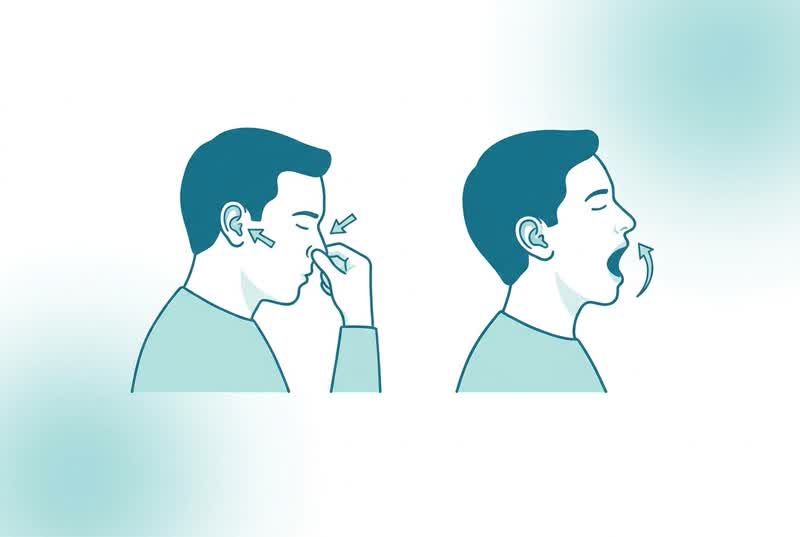
The Valsalva Maneuver: Gentle Pressure Relief
Pinch your nose shut, close your mouth, and gently exhale - as if you are trying to pop your ears. This forces air through the eustachian tube to equalize pressure. Important: blow gently. Too much force can damage the eardrum or push infected mucus into the middle ear space.
The Toynbee Maneuver: A Dual-Action Approach
Pinch your nose and swallow at the same time. This combination opens the eustachian tube while activating the throat muscles, which can be more effective than either technique alone for stubborn ear blockage that does not respond to yawning.
Warm Compress to Reduce Inflammation
Place a warm, damp washcloth against the affected ear for 5-10 minutes. The warmth reduces inflammation in the ear canal and eustachian tube, and softens hardened earwax so it can move more naturally. Simple, soothing, and safe for any age.
Steam Inhalation Clears the Pathway
Breathe steam from a bowl of hot water or take a warm shower. The moisture and heat reduce nasal and eustachian tube congestion, making it easier for the tube to open and fluid to drain. This works especially well when allergies or a cold are the culprit.
Saline Nasal Spray Rinses Congestion Away
A simple saline nasal spray rinses congestion from the nasal passages and eustachian tube openings. Use 2-3 sprays per nostril, wait a minute, then gently blow your nose. This is safe for daily use and highly effective for allergy-related ear clogging.
Decongestants for Stubborn Blockage
Oral decongestants (pseudoephedrine) or nasal sprays (oxymetazoline) shrink swollen tissue in the eustachian tube and restore pressure equalization. Do not use nasal decongestant sprays for more than 3 days - rebound congestion can make the problem worse. Always follow package directions.
5 Ear-Clearing Methods to Avoid at All Costs
Some popular ear-cleaning methods can cause serious damage. Protect your hearing by avoiding these:
| Method to Avoid | Why It Is Dangerous |
|---|---|
| Cotton swabs (Q-tips) | These push wax deeper into the ear canal, creating compacted plugs that are harder to remove. They can also scratch the canal lining or puncture the eardrum |
| Ear candles | No scientific evidence supports their effectiveness. They can cause burns, ear canal blockage from candle wax, and eardrum perforation |
| Paperclips, bobby pins, or fingers | Inserting any object into the ear canal risks infection and eardrum rupture |
| Hydrogen peroxide without guidance | While diluted peroxide can soften wax, using it with a blocked eardrum or on a regular basis can irritate the ear canal |
| Excessive Valsalva force | Blowing too hard can rupture the eardrum or push infected material into the middle ear space |
If you wear hearing aids, keep in mind they can contribute to wax buildup by blocking natural outward migration. Clean your devices regularly and have your ears checked for wax impaction at each visit with your hearing specialist.
How to Unclog Ears from Wax Buildup: 3 Safe Steps
Earwax blockages are the most common and most treatable cause of clogged ears. Here is the safe approach:
Step 1: Soften the Wax with Drops
Over-the-counter earwax softening drops (containing carbamide peroxide, mineral oil, or glycerin) break down hardened wax over 3-4 days of use. Apply a few drops, lie on your side for 5 minutes, then let the wax drain naturally.
Step 2: Rinse with Warm Water
After softening, a gentle warm water rinse using a rubber-bulb syringe can flush loosened wax from the ear canal. Use body-temperature water - cold water can cause dizziness. Tilt your head to let the water and wax drain out.
Step 3: Professional Removal When Home Methods Fall Short
When home methods do not clear the blockage, a licensed hearing specialist can remove wax safely using specialized instruments or gentle irrigation under direct visualization. This takes just a few minutes in the office and provides immediate, noticeable relief. Our professional services at Ear to Hear include wax evaluation as part of routine hearing checkups.
How to Unclog Ears After Flying: Quick-Relief Tips
Airplane ear (barotitis media) is a specific type of ear blockage caused by rapid pressure changes during takeoff and landing. These strategies work:
| Technique | How It Helps |
|---|---|
| Chew gum or suck on hard candy | during descent - frequent swallowing keeps the eustachian tube active |
| Use the Valsalva maneuver | gently during descent when you first feel pressure building |
| Filtered earplugs | (like EarPlanes) slow the rate of pressure change, giving your eustachian tube time to adapt |
| Stay awake during descent | you cannot actively equalize pressure while sleeping |
| Use a nasal decongestant spray | 30 minutes before landing if you have congestion from a cold or allergies |
Most airplane ear resolves within a few hours to a day. If muffled hearing persists more than a few days after flying, schedule an evaluation with a hearing specialist.
How to Unclog Ears from Allergies: Clear the Congestion
Allergy-related ear clogging responds best to treating the allergic inflammation at its source:
Antihistamines Stop the Inflammatory Cascade
Oral antihistamines (cetirizine, loratadine, fexofenadine) reduce the histamine response that causes nasal and eustachian tube swelling. Take them regularly during allergy season, not just when symptoms flare - prevention is more effective than reaction.
Nasal Steroid Sprays Target Inflammation Directly
OTC fluticasone (Flonase) or triamcinolone (Nasacort) directly reduce inflammation in the nasal passages and eustachian tube openings. These take a few days of consistent use to reach full effectiveness, so start before allergy season hits.
Reduce Allergen Exposure for Long-Term Relief
Keep windows closed during high-pollen days, shower after being outdoors, and use HEPA air filters indoors. Reducing allergen exposure decreases the inflammatory cascade that blocks your ears in the first place.
If allergy-related ear clogging keeps coming back, a visit with a hearing specialist can help you build a prevention plan that keeps your eustachian tubes functioning year-round.
Ready to Hear Clearly Again?
Our licensed hearing specialists can pinpoint the cause of your ear blockage and recommend the right treatment - often in a single visit. Schedule a free comprehensive hearing evaluation at a location near you.
Book Your Free Hearing TestHow to Unclog Ears with Fluid Behind the Eardrum
Fluid in the middle ear (otitis media with effusion) sits behind the eardrum where you cannot reach it directly. Treatment options include:
Watchful Waiting: Give It Time to Drain
Most middle ear fluid clears on its own within 2-3 weeks after a cold. Keep using swallowing techniques and nasal saline to help the eustachian tube drain the fluid naturally. This patient approach works for the majority of cases.
Autoinflation Devices: Gentle Pressure Assistance
Devices like the Otovent use a small balloon that you inflate through your nose. This forcibly opens the eustachian tube and can help fluid drain. Studies show moderate effectiveness for adults with persistent middle ear fluid.
Medical Treatment When Fluid Will Not Budge
If fluid persists beyond 3 months, a hearing specialist may recommend ear tube placement (tympanostomy tubes) to ventilate the middle ear space and allow fluid to drain. This is a brief outpatient procedure that provides dependable relief for most patients.
When to See a Hearing Specialist for Clogged Ears
Many cases of clogged ears resolve with home care. But certain symptoms call for professional evaluation from a trusted hearing specialist:
- Ear blockage that lasts longer than two weeks
- Hearing loss that does not improve
- Ear pain that is severe or worsening
- Fluid or drainage from the ear canal
- Dizziness or balance problems
- Tinnitus (ringing in the ears) that persists
- Recurring episodes of ear clogging that affect your quality of life
Untreated ear blockage can lead to complications including chronic middle ear fluid, persistent hearing loss, eardrum retraction, or in rare cases, cholesteatoma formation. Early evaluation prevents these issues and gets you back to hearing clearly.
At Ear to Hear in Wesley Chapel, our team provides comprehensive hearing evaluations that determine exactly what is causing your clogged ears - and creates a personalized treatment plan to fix it. We offer free hearing tests at our Florida, Illinois, and Missouri locations, with multiple brand options and risk-free trials so you can find the right solution without pressure.
Your Clogged Ear Questions Answered
Try the Valsalva maneuver: pinch your nose, close your mouth, and gently blow to pop your ears. Swallowing, yawning, or chewing gum also opens the eustachian tube for quick pressure relief. For wax blockage, OTC softening drops work within a few days. If home methods do not help, a licensed hearing specialist can clear the blockage in a single visit.
No - never insert cotton swabs into your ear canal. Swabs push wax deeper, creating compacted plugs that are harder to remove. They can also scratch the canal lining, cause infections, or puncture the eardrum. The safest approach is earwax softening drops or professional removal by a trusted hearing specialist.
A clogged ear without visible wax usually means the eustachian tube is not opening properly. This can result from allergies, sinus congestion, a recent cold, or fluid behind the eardrum. Altitude changes from flying or driving through mountains can also cause this sensation. If it persists beyond two weeks, a hearing specialist can evaluate the cause and recommend personalized treatment.
Most ear blockage from pressure or mild congestion clears within a few hours to a few days. Fluid behind the eardrum may take 2-3 weeks to drain after a cold. Earwax blockage typically improves within a few days of using softening drops. If your clogged ear persists beyond two weeks, schedule a hearing evaluation to determine the cause and get dependable relief.
References
- Cleveland Clinic. "Earwax Buildup: Symptoms, Causes & Treatment." my.clevelandclinic.org
- Harvard Health. "What to do about earwax." health.harvard.edu
- American Academy of Otolaryngology. "Earwax and Care." enthealth.org
- Mayo Clinic. "Ear infection (middle ear): Diagnosis & treatment." mayoclinic.org