
Key Takeaways
- Meniere's disease is an inner ear disorder that causes vertigo, hearing loss, tinnitus, and ear fullness
- The four classic symptoms are vertigo attacks, fluctuating hearing loss, ringing in the ear, and pressure
- The condition progresses through four stages from early intermittent attacks to persistent symptoms
- Diagnosis requires a hearing test and balance assessment by a licensed specialist
- Treatment ranges from lifestyle changes to medication, hearing aids, and therapy
- Ear to Hear provides comprehensive testing and hearing aid solutions across Florida
That sudden spinning sensation, the ringing in your ear, the pressure that feels like your head is underwater - these are the hallmarks of Meniere's disease. At Ear to Hear in Wesley Chapel, our licensed specialists help patients across Florida understand and manage this condition every day.
Meniere's disease affects the inner ear and can disrupt your balance, hearing, and daily life. The good news is that with proper diagnosis and treatment, most patients find meaningful relief. This guide explains what Meniere's disease is, how it progresses, and what treatment options are available.
What Is Meniere's Disease?
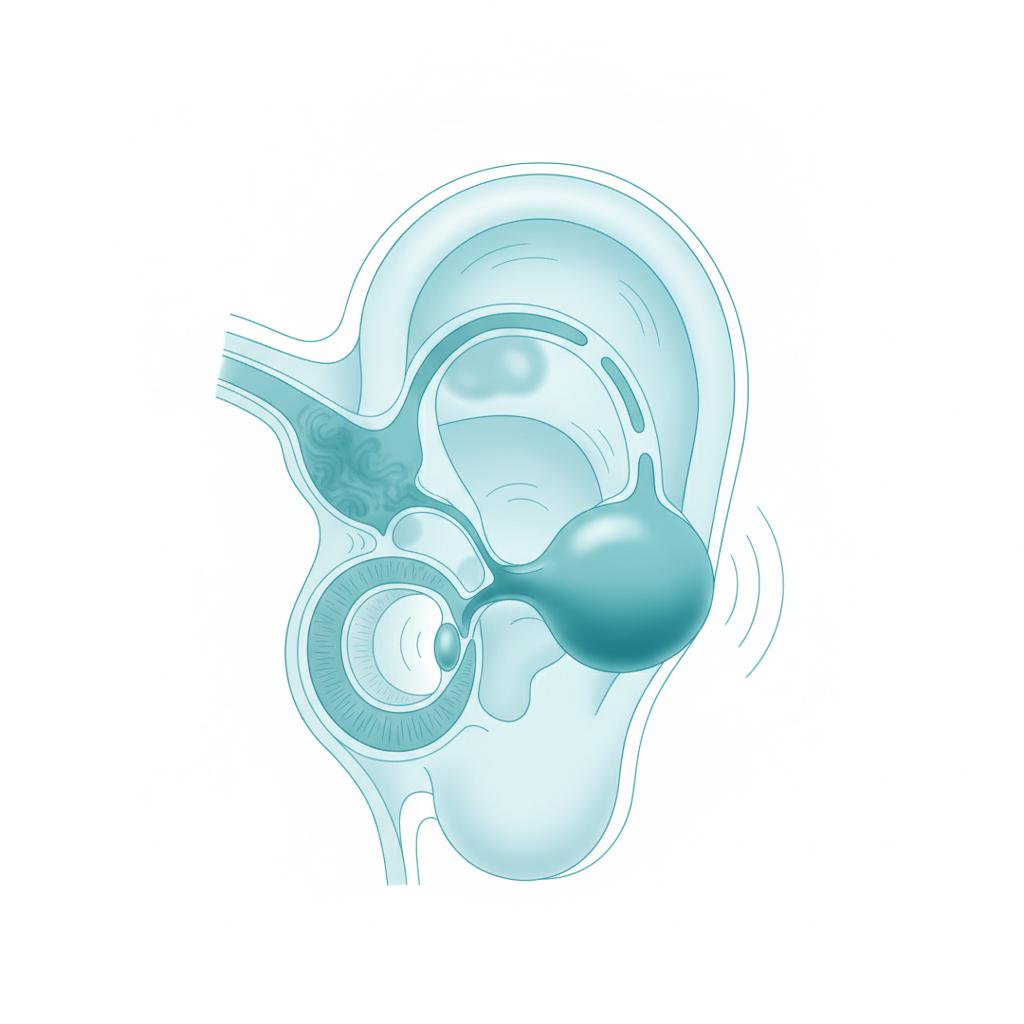
Meniere's disease is a disorder of the inner ear that affects balance and hearing. It results from abnormal fluid buildup in the inner ear, specifically in a structure called the endolymphatic sac. This fluid pressure disrupts the delicate mechanisms that control hearing and balance.
The condition typically affects only one ear, though it can spread to both ears over time. It most commonly appears in adults between ages 20 and 60. The National Institute on Deafness and Other Communication Disorders (NIDCD) estimates that approximately 615,000 people in the United States have Meniere's disease.
Meniere's disease is not life-threatening, but it can significantly impact your quality of life. The unpredictable nature of vertigo attacks makes daily activities challenging. Many patients feel anxious about when the next episode will strike.
The Four Main Symptoms of Meniere's Disease
Meniere's disease has four classic symptoms that distinguish it from other ear conditions:
- Vertigo - Sudden, severe spinning sensations that last from 20 minutes to several hours. These attacks can cause nausea and vomiting
- Hearing loss - Fluctuating hearing loss that comes and goes, especially in the early stages. Over time, hearing loss may become permanent
- Tinnitus - Ringing, buzzing, or roaring sounds in the affected ear. The tinnitus may change in pitch and intensity during attacks
- Ear fullness - A feeling of pressure or fullness in the affected ear, similar to the sensation you get during altitude changes
All four symptoms may not appear at once. Many patients experience just one or two symptoms initially, with others developing over months or years.
What Causes Meniere's Disease?
The exact cause of Meniere's disease remains unknown, but researchers believe it relates to fluid buildup in the inner ear. The inner ear contains a fluid called endolymph that helps maintain balance and hearing signals.
When the endolymphatic sac produces too much fluid or fails to absorb it properly, pressure builds up. This pressure damages the delicate hair cells in the cochlea and vestibular system, triggering the symptoms of Meniere's disease.
Several factors may contribute to this fluid imbalance:
- Genetics - Family history of Meniere's disease increases your risk
- Allergies - Some patients see symptom improvement when treating allergies
- Head trauma - Previous head or ear injuries may trigger the condition
- Migraines - There is a known connection between Meniere's disease and migraines
- Autoimmune conditions - Some cases link to immune system dysfunction
- Viral infections - Previous viral illnesses may play a role
The Four Stages of Meniere's Disease
Meniere's disease progresses through four stages. Understanding your stage helps your specialist recommend the right treatment:
Stage 1: Early Stage
Vertigo attacks are infrequent and unpredictable. Hearing loss fluctuates and often returns to normal between attacks. Tinnitus and ear fullness come and go. Many patients dismiss early symptoms as temporary ear pressure or minor infections.
Stage 2: Intermediate Stage
Vertigo attacks become more frequent and severe. Hearing loss becomes more noticeable, especially for low-frequency sounds. Tinnitus intensifies. Episodes may last longer and take more time to recover from.
Stage 3: Late Stage
Vertigo attacks may decrease in frequency but become less predictable. Hearing loss becomes more persistent and affects a wider range of frequencies. Balance problems may occur between attacks. Many patients start having difficulty with daily activities.
Stage 4: Burnout Stage
Vertigo attacks become rare or stop entirely. However, hearing loss often becomes significant and permanent. Balance issues persist. Tinnitus may continue or worsen. Treatment at this stage focuses on hearing rehabilitation and balance therapy.
How Meniere's Disease Affects Hearing
Hearing loss in Meniere's disease follows a distinctive pattern. In the early stages, hearing loss primarily affects low frequencies. This pattern shows up clearly on an audiogram, which is the graph produced during a hearing test.
As the disease progresses, hearing loss spreads to higher frequencies. The fluctuation in hearing is a key feature - patients may notice their hearing improves and worsens unpredictably. Over time, the fluctuations decrease, and permanent hearing loss sets in.
Many Meniere's patients benefit from hearing aids as their hearing loss becomes more persistent. Modern hearing aids can be programmed to address the specific frequency loss pattern caused by Meniere's disease.
Vertigo and Balance Issues
Vertigo ranks as the most distressing symptom of Meniere's disease. Unlike general dizziness, vertigo creates a powerful sensation that the room spins. Attacks can strike without warning and last anywhere from 20 minutes to 12 hours.
During a vertigo attack, patients may experience:
- Severe spinning sensations
- Nausea and vomiting
- Sweating and rapid heart rate
- Inability to stand or walk
- Eye movements called nystagmus
Between attacks, some patients experience drop attacks - sudden falls without loss of consciousness. These are rare but can cause injury. Vestibular rehabilitation therapy can help train the brain to compensate for balance disruptions.
Tinnitus and Ear Fullness
Tinnitus in Meniere's disease often sounds like a low-pitched roar, buzzing, or humming. This differs from the high-pitched ringing common in other forms of tinnitus. The tinnitus may worsen just before or during a vertigo attack.
The ear fullness sensation feels similar to the pressure you experience during air travel or when water is trapped in your ear. This pressure fluctuates and may provide an early warning that a vertigo attack is approaching.
Our tinnitus treatment services can help manage the ringing and buzzing associated with Meniere's disease. Sound therapy and masking devices provide relief for many patients.
How Is Meniere's Disease Diagnosed?
Diagnosing Meniere's disease requires a comprehensive evaluation by a licensed specialist. The diagnosis is primarily clinical, based on your symptom history and hearing test results.
The diagnostic process typically includes:
- Hearing test (audiometry) - Identifies the characteristic low-frequency hearing loss pattern
- Balance testing - Evaluates vestibular function through electronystagmography (ENG) or videonystagmography (VNG)
- MRI scan - Rules out other conditions like acoustic neuroma
- Ear examination - Checks for signs of infection or structural issues
A definitive diagnosis requires two or more vertigo attacks lasting at least 20 minutes, documented hearing loss on audiometry, and tinnitus or ear fullness in the affected ear.
Meniere's Disease Treatment Options
Treatment for Meniere's disease focuses on managing symptoms and reducing attack frequency. There is no single cure, but most patients find significant relief through a combination of approaches:
Medication
- Diuretics - Reduce fluid retention in the inner ear
- Motion sickness medications - Help control nausea during vertigo attacks
- Anti-nausea medications - Provide relief during severe episodes
- Steroid injections - Delivered directly into the middle ear to reduce inflammation
Hearing Aids
For patients with permanent hearing loss, hearing aids provide significant benefit. Modern devices can be programmed to address the specific hearing loss pattern of Meniere's disease.
Vestibular Rehabilitation
Balance therapy helps train the brain to compensate for the disrupted signals from the inner ear. This reduces dizziness and improves stability between attacks.
Injections and Surgery
For severe cases that do not respond to other treatments, specialists may recommend steroid injections into the middle ear or surgical procedures. Doctors typically consider these options only after conservative treatments fail.
Lifestyle Changes to Manage Symptoms
Many Meniere's patients reduce their attack frequency through simple lifestyle modifications:
- Low-sodium diet - Reducing salt intake to under 1,500 mg per day helps reduce fluid retention
- Limit caffeine - Caffeine may worsen tinnitus and trigger attacks
- Reduce alcohol - Alcohol can affect fluid balance in the inner ear
- Manage stress - Stress and anxiety can trigger episodes
- Regular sleep - Poor sleep patterns may increase attack frequency
- Avoid triggers - Keep a symptom diary to identify personal triggers
- Stay hydrated - Proper hydration supports healthy fluid balance
When to See a Specialist
If you experience any of the following, schedule an appointment with a hearing specialist:
- Sudden vertigo attacks lasting more than 20 minutes
- Hearing loss that fluctuates or does not return to normal
- Persistent tinnitus in one ear
- Ear fullness or pressure that does not resolve
- Balance problems that affect daily activities
- A feeling that your symptoms are getting worse
Early diagnosis and treatment can slow the progression of Meniere's disease and preserve more of your hearing. Do not wait for symptoms to become severe before seeking help.
How Ear to Hear Can Help
Ear to Hear provides comprehensive hearing care for patients with Meniere's disease across Florida, Illinois, and Missouri. Our licensed specialists understand the complex relationship between balance, hearing, and tinnitus.
We offer:
- Comprehensive hearing testing including audiometry and balance assessment
- Hearing aid fitting and programming tailored to Meniere's-related hearing loss patterns
- Tinnitus management through sound therapy and masking devices
- Ongoing monitoring to track changes in your hearing over time
- Personalized treatment plans based on your specific symptoms and stage
Our experienced team takes time to explain your condition and answer your questions in clear, dependable language. We believe that understanding your diagnosis marks the first step toward managing it effectively.
\1 at one of our Florida locations today. Our team is ready to help you find relief.
The exact trigger varies from person to person. Common triggers include stress, salt intake, caffeine, alcohol, allergies, and lack of sleep. Some patients notice attacks after specific events like weather changes or emotional stress. Keeping a symptom diary helps identify your personal triggers so you can avoid them.
There is no cure for Meniere's disease, but treatments are highly effective at managing symptoms. Most patients find significant relief through a combination of dietary changes, medication, and hearing support. The goal of treatment is to reduce attack frequency, manage hearing loss, and improve quality of life. Many patients enter remission where attacks stop entirely.
Preventing attacks starts with lifestyle changes. Reduce your sodium intake to under 1,500 mg per day, limit caffeine and alcohol, manage stress through relaxation techniques, and maintain a regular sleep schedule. Your specialist may also prescribe diuretics to reduce fluid retention. Some patients benefit from allergy treatment or vestibular rehabilitation therapy. Consistency with these changes is key to reducing attack frequency.
The four classic symptoms are vertigo (spinning sensations lasting 20 minutes or longer), fluctuating hearing loss, tinnitus (ringing or roaring in the ear), and aural fullness (pressure or fullness in the ear). All four symptoms may not appear at once. Many patients experience one or two symptoms initially, with others developing over time. A licensed specialist can confirm whether your symptoms match Meniere's disease through a hearing test and balance evaluation.
References
- National Institute on Deafness and Other Communication Disorders (NIDCD) - Meniere's Disease
- American Academy of Otolaryngology - Head and Neck Surgery
- NIDCD statistics on Meniere's disease prevalence in the United States
Ready to Find Relief from Meniere's Disease?
A free hearing evaluation from our licensed specialists gives you clear answers about your symptoms and personalized recommendations for managing Meniere's disease. Schedule your free hearing test today.