
Key Takeaways
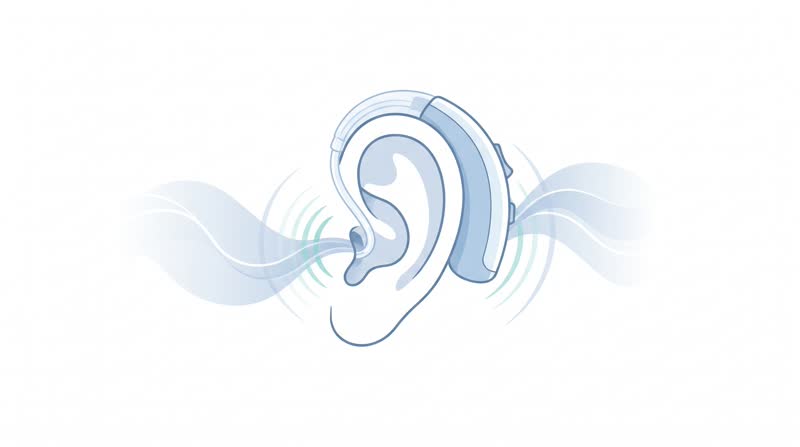
- BTE hearing aids sit behind the ear with a thin tube or earmold delivering sound - the most popular and versatile style available
- They accommodate all levels of hearing loss, from mild to profound, making them a trusted choice for licensed specialists
- Modern BTE devices are smaller, more discreet, and packed with advanced features like Bluetooth connectivity
- A free hearing evaluation from a licensed specialist determines the right BTE style and fit for your needs
What Is a BTE Hearing Aids?
A BTE style is a hearing device where the core electronics sit in a small curved shell behind your ear, connected to an earmold or slim tube that delivers amplified sound into your ear canal. At Ear to Hear in Wesley Chapel, our licensed specialists fit BTE hearing aids every day - and for good reason. They remain the most dependable and versatile hearing aid style on the market, offering clear amplification for everything from mild difficulty to profound hearing loss. Whether you are exploring hearing aids for the first time or upgrading your current device, understanding how BTE technology works helps you make a confident choice.
How BTE Hearing Aids Work: 3 Key Components
The Shell Houses the Technology
The curved shell that sits behind your ear contains the microphone, amplifier, processor, and battery. Because the shell has more physical space than in-ear styles, it can accommodate larger batteries for longer life and more powerful amplifiers for greater sound output. This is why licensed specialists recommend BTE devices for severe to profound hearing loss - the extra room means extra capability without sacrificing dependability.
The Tubing Delivers Sound to Your Ear
A thin, clear tube or wire carries processed sound from the shell behind your ear down into your ear canal. Traditional BTE models use a plastic tube that connects to a custom earmold, while newer receiver-in-canal (RIC) versions position a tiny speaker directly in the ear canal for a more natural sound profile. Popular RIC models like the Phonak Audéo Infinio Sphere, Signia Charge&Go, and Widex Allure combine behind-the-ear reliability with natural, open-fit sound. Your licensed hearing specialist selects the right tubing based on your hearing loss level and lifestyle preferences.
The Custom Earmold Provides a Dependable Seal
The earmold is shaped from a physical impression of your ear canal, creating a personalized fit that prevents sound leakage and feedback. This custom approach means the device stays securely in place during daily activities - whether you are exercising, talking on the phone, or wearing glasses. A proper earmold seal also blocks out unwanted background noise, so you hear conversations clearly even in noisy environments.
5 Types of BTE Hearing Aidss
Standard BTE: Maximum Power and Versatility
The traditional behind-the-ear style uses a full-sized shell with a plastic tube connecting to a custom earmold inside the ear. This design offers the most amplification power of any hearing aid style, making it the trusted choice for severe to profound hearing loss. The larger size also means easier-to-handle batteries and physical controls - volume dials, program buttons, and telecoil switches are all within reach. For anyone who needs maximum output and reliable daily performance, the standard BTE from brands like Phonak and Signia remains a professional recommendation. The Phonak Naída is one of the strongest BTE hearing aids available, delivering exceptional power for severe to profound hearing loss.
Mini BTE with Slim Tube: Discreet and Comfortable
Mini BTE hearing aids use a thin, nearly invisible tube instead of a thick plastic one. The smaller shell sits close to the head, and the open-fit tip allows low-frequency sounds to enter your ear naturally - so your own voice does not sound plugged or echoing - a significant source of relief for new hearing aid users. This style is ideal for mild to moderate high-frequency hearing loss, which is the most common type professionals encounter. Many patients describe mini BTE devices as the most comfortable hearing aids they have ever worn, because the open fit eliminates that blocked-ear sensation.
BTE with Earmold: Personalized Fit for Severe Loss
When hearing loss is moderate to severe, a BTE device paired with a full custom earmold provides the secure acoustic seal needed for proper amplification. The earmold keeps amplified sound inside the ear canal and prevents feedback whistling that can occur with looser fits. Our licensed hearing services include precision earmold impressions to ensure your device delivers clear, dependable sound without the irritation of an ill-fitting generic tip, giving you reliable relief from feedback and discomfort.
Receiver-in-Canal (RIC): Open Design, Natural Sound
RIC hearing aids represent the most popular evolution of behind the ear technology. The receiver (speaker) sits inside the ear canal connected by a thin wire rather than a plastic tube, which produces clearer high-frequency sound and a more natural listening experience. The open dome tip allows environmental sounds to pass through naturally, eliminating the occlusion effect that makes your own voice sound like you are speaking inside a barrel. RIC devices from Widex and other trusted manufacturers handle mild to moderately severe hearing loss with ease. Top RIC options include the Phonak and Oticon comparison models, Phonak Infinio Sphere, Signia Charge&Go, and Widex Allure - all available through Ear to Hear with professional fitting.
Power BTE: Trusted Support for Profound Hearing Loss
Power BTE hearing aids are engineered specifically for profound hearing loss. Their larger batteries deliver sustained high-output amplification throughout the day, and the robust circuitry handles demanding listening environments without distorting. If you have been told that hearing aids cannot help your level of loss, a power BTE may change that. These devices are the most powerful hearing instruments available, and a licensed specialist can program them precisely to match your unique hearing profile for safe, effective amplification.
BTE Hearing Aid Benefits: Why This Style Endures
BTE hearing aids have remained the most widely prescribed style worldwide for decades - and the reasons go far beyond tradition:
| Benefit | Why It Matters |
|---|---|
| Extended battery life | Larger batteries last 7-21 days depending on the model, compared to 3-10 days for smaller in-ear styles. Fewer battery changes mean less hassle and more dependable daily use. |
| Superior amplification range | BTE devices can provide up to 140 dB of gain, covering the full spectrum from mild to profound hearing loss. No other style matches this range. |
| Physical durability | The protected shell behind the ear keeps delicate electronics safe from earwax, moisture, and daily wear. BTE devices statistically require fewer repairs than in-ear alternatives. |
| Advanced features included | Bluetooth streaming, rechargeable batteries, directional microphones, noise reduction, and telecoil connectivity are all standard on modern BTE models. These features improve real-world listening in ways that matter daily. |
| Comfortable, secure fit | The earmold or dome tip is custom-shaped to your ear, so BTE hearing aids stay put during exercise, yard work, and everyday movement without causing irritation. |
| Easy to handle | Larger controls make battery changes, volume adjustments, and program switching straightforward - especially important for anyone with dexterity challenges. |
For these reasons, a licensed specialist will often recommend a BTE style as the dependable choice for first-time and experienced hearing aid users alike.
BTE Hearing Aid Cost: What to Expect
Understanding BTE pricing helps you plan your investment with confidence:
| Tier | Price Range (per ear) | What Is Included |
|---|---|---|
| Entry-level BTE devices | $1,000 - $2,500 | Core amplification and basic noise reduction for mild to moderate hearing loss |
| Mid-range BTE models | $2,500 - $4,500 | Directional microphones, multiple listening programs, feedback cancellation, and Bluetooth connectivity |
| Premium BTE hearing aids | $4,500 - $7,000+ | Advanced artificial intelligence processing, rechargeable batteries, seamless smartphone streaming, and adaptive noise management that adjusts automatically in real time |
These ranges include professional fitting, programming, and follow-up adjustments from a licensed specialist. At Ear to Hear, we include ongoing care with every device because proper fitting is what separates a hearing aid that sits in a drawer from one that transforms your daily communication.
Ready to Find the Right BTE Hearing Aid?
A free hearing evaluation from our licensed specialists gives you clear answers about your hearing level and personalized recommendations for the BTE style that fits your life. Schedule your free hearing test today.
BTE vs In-the-Ear Hearing Aids: Which Is Right for You?
Choosing between behind the ear and in-the-ear styles depends on your hearing loss, lifestyle, and priorities:
| Factor | BTE | In-the-Ear |
|---|---|---|
| Hearing loss severity | Handles mild to profound | Maxes out at moderately severe. If your loss is significant, BTE is the clear professional recommendation. |
| Dexterity and handling | Larger batteries and controls - easier to handle if you have arthritis or fine motor challenges | Tiny and can be difficult to insert and adjust |
| Visibility preferences | Modern mini BTE and RIC models are remarkably discreet, sitting close behind the ear with near-invisible tubes | Completely-in-canal (CIC) model may suit near-invisible priority, though it sacrifices battery life and features |
| Ear health | Keeps delicate components safely above the ear canal - ideal if you produce significant earwax or have recurring outer ear infections | Components sit inside the ear canal, exposed to wax and moisture |
| Feature needs | Bluetooth streaming, rechargeable batteries, telecoil for loop systems, and advanced noise management included as standard | Often cannot accommodate the necessary hardware for advanced features |
The best way to decide is through a free hearing evaluation with a licensed specialist who understands your unique hearing profile.
How to Choose the Best BTE Hearing Aids
Consider Your Hearing Loss Level
The degree of hearing loss directly determines which BTE style serves you best. Mild to moderate loss responds well to mini BTE or RIC models - they are discreet, comfortable, and deliver clear high-frequency amplification. Moderate to severe loss benefits from a standard BTE with custom earmold for a secure acoustic seal. Profound loss requires a power BTE that can deliver sustained, high-output amplification without distortion. A licensed specialist measures your exact hearing thresholds and recommends accordingly.
Factor in Lifestyle and Daily Activities
Your daily routine shapes the features you need. If you spend significant time in group conversations, meetings, or noisy restaurants, directional microphones and advanced noise reduction become essential. Frequent phone users benefit from Bluetooth streaming that routes calls directly through both hearing aids. Active individuals need moisture resistance and secure fittings that stay put during movement. Tell your specialist about your typical day, and they will match you with features that make a real difference - not just extras that add cost without benefit.
Prioritize Professional Fitting and Follow-Up Care
The single most important factor in hearing aid satisfaction is professional fitting and follow-up care. Research from the National Institute on Deafness and Other Communication Disorders shows that professionally fitted hearing aids produce significantly better outcomes than self-fitted alternatives. A licensed specialist programs your device to your exact hearing thresholds, adjusts the earmold for comfort, and schedules follow-up visits to fine-tune settings based on real-world feedback. This ongoing relationship is what turns a hearing aid from an expensive gadget into a dependable daily tool that reconnects you with the conversations that matter.
When to See a Licensed Specialist for a BTE Fitting
If you notice any of the following, a free hearing evaluation provides clear answers and the path to trusted relief:
- You frequently ask people to repeat themselves, especially in group settings or noisy environments
- You turn the television volume higher than others find comfortable
- Conversations on the phone feel muffled or unclear
- You struggle to hear high-pitched sounds like birdsong or children's voices
- Family members mention you seem to be missing what they say
- You experience ringing, buzzing, or other sounds in your ears (tinnitus)
Early evaluation by a licensed specialist gives you the clearest path to relief. Hearing loss often progresses gradually, and the sooner you take action, the more effectively treatment can bring relief and help you maintain clear communication and stay connected with the people around you.
Take the First Step Toward Clear Hearing
A BTE hearing aid can transform your daily communication - and it starts with a free hearing evaluation from a licensed specialist. Schedule your free hearing test at Ear to Hear in Wesley Chapel today.
Your BTE Hearing Aids Questions Answered
behind-the-ear styles typically last 5-7 years with proper care and regular maintenance from a licensed specialist. The larger, protected shell helps extend their lifespan compared to in-ear styles, which average 3-5 years. Battery type matters too - rechargeable BTE models use lithium-ion cells that maintain capacity for roughly 4-5 years before needing replacement. Traditional zinc-air batteries last 7-21 days per cell, depending on usage and amplification level. Regular professional cleanings and adjustments keep your BTE performing reliably throughout its full lifespan.
Yes. BTE hearing aids and glasses share the same space behind the ear, but they coexist comfortably with proper fitting. A licensed specialist positions the BTE shell so it sits alongside your glasses arm without pressing on it, and the earmold or dome holds the device securely regardless of whether you are wearing glasses. Many BTE users report no conflict at all after the initial adjustment period. If comfort is a concern, mini BTE or RIC models sit even closer to the head and take up minimal space alongside glasses.
Neither style is universally "better" - the right choice depends on your hearing loss level, lifestyle, and preferences. this styles offer more amplification power, longer battery life, better durability, and more advanced features like Bluetooth and telecoil. In-the-ear models are smaller and sit entirely inside the ear canal, which some people prefer for aesthetics. For moderate to profound hearing loss, BTE is the clear professional recommendation because it delivers the output and features needed for dependable daily performance. A licensed specialist can help you compare both options based on your specific hearing profile.
BTE hearing aid prices range from $1,000 to $7,000+ per ear, depending on technology level. Entry-level BTE devices ($1,000-$2,500) cover basic amplification needs. Mid-range models ($2,500-$4,500) add directional microphones, noise reduction, and Bluetooth. Premium BTE aids ($4,500-$7,000+) feature AI-powered sound processing, rechargeable batteries, and seamless smartphone streaming. These prices typically include professional fitting and follow-up care from a licensed specialist, which the FDA considers essential for proper hearing aid use.
Several trusted manufacturers produce high-quality BTE hearing aids, including Phonak, Signia, and Widex. The "best" brand depends on your hearing loss profile, lifestyle needs, and budget. Phonak Naída excels for severe to profound loss. For RIC options, the Phonak Sphere, Signia Charge&Go, and Widex Allure are top choices. Rather than focusing on brand alone, a licensed specialist evaluates your hearing thresholds and recommends the specific model that matches your needs - because proper fitting and programming matter more than the logo on the shell.