

Key Takeaways
- The first hearing aids were mechanical ear trumpets used in the 1600s, with no electricity or batteries.
- Miller Reese Hutchison invented the first electric hearing aid in 1898, called the Akouphone.
- Hearing aid technology evolved through carbon, vacuum tube, transistor, and digital stages over 120 years.
- Modern first-time users often feel overstimulated at first as their brain relearns everyday sounds.
- The stigma around hearing aids is fading, but many people still wait years longer than they should.
- Our team at Ear to Hear provides professional guidance through every step of getting your first hearing aid.
What Was the First Hearing Aid?
Getting your first hearing aid is a milestone. Maybe you have noticed the TV volume creeping up. Maybe conversations in restaurants feel harder to follow. You are not alone, and you are not too late. At Ear to Hear, our licensed specialists help people take this step every day.
The first hearing aid looks nothing like what you will wear today. The journey from ear trumpets to digital devices spans centuries. Understanding that history helps you appreciate how far hearing care has come. Our team makes the process clear from your first visit.
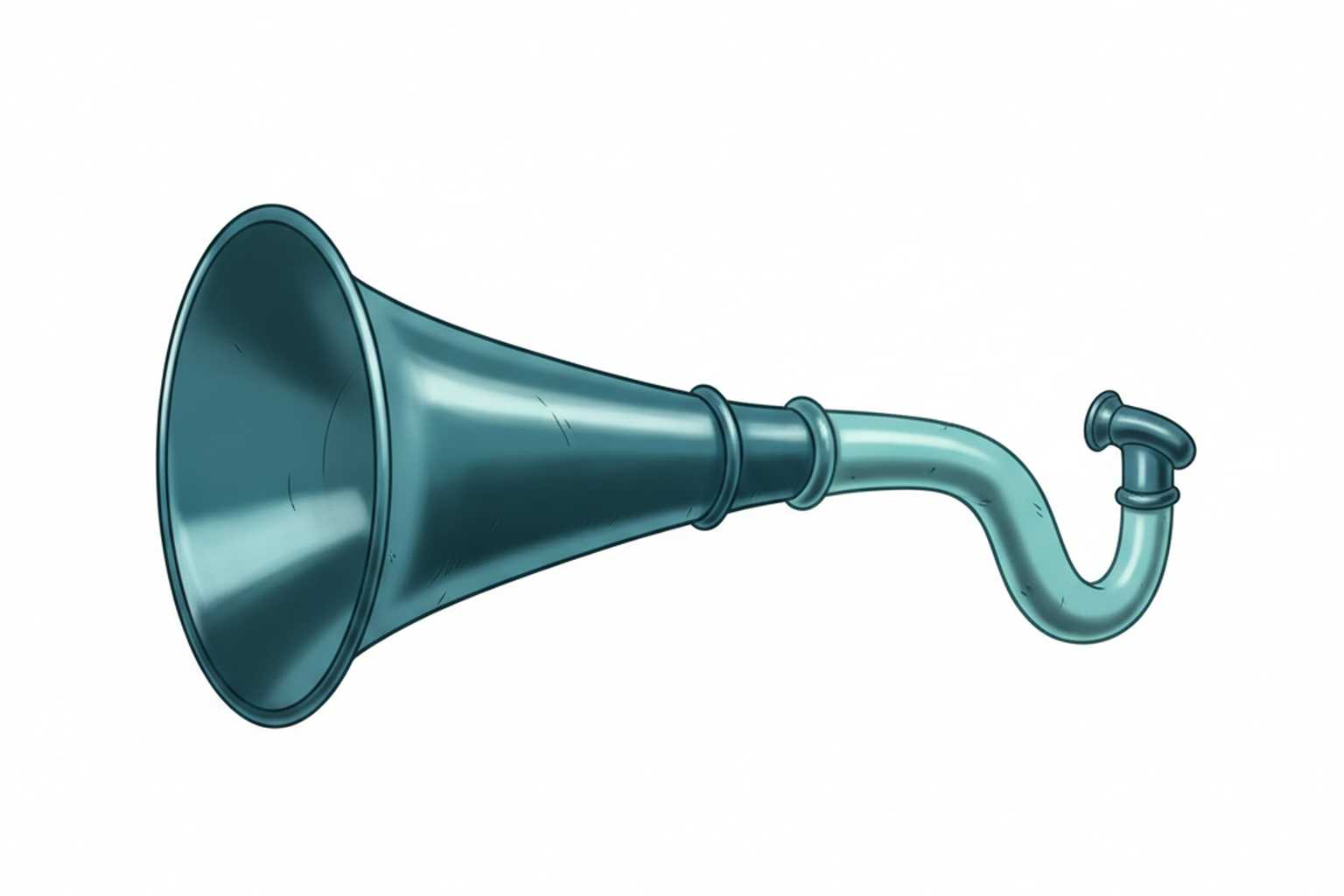
The first hearing aid was not electric at all. It was a mechanical device that collected sound and funneled it into the ear. People used hollowed-out animal horns, seashells, and carved wood to amplify voices. The concept was simple: gather sound waves and direct them into the ear canal, much like cupping your hand behind your ear.
The Ear Trumpet: Hearing Assistance Before Electricity
Ear trumpets became the dominant hearing aid design through the 1700s and 1800s. Crafters made them from brass, silver, tortoiseshell, and papier-mache. By the mid-1800s, ear trumpets were a recognized medical tool, not just a novelty. Doctors prescribed them for age-related hearing loss. They worked well for quiet conversations but amplified everything equally in crowds.
Who Invented the First Electric Hearing Aid?
Miller Reese Hutchison, an American inventor from Alabama, created the earliest electric hearing aid in 1898. He called it the Akouphone. A close family friend had lost her hearing, and he wanted to help her rejoin conversations.
The Akouphone used a carbon transmitter to amplify sound. It was bulky and expensive, but proved electrical amplification could help people hear.
Carbon Hearing Aids: The 1900s Breakthrough
Carbon hearing aids arrived in the early 1900s as the first wearable electric models. These devices used carbon granules that compressed and expanded in response to sound waves, changing electrical resistance to amplify the signal.
Users wore battery packs strapped to their bodies with wires to an earpiece. The amplification was modest and sound quality was scratchy, but it was a genuine breakthrough. People could finally carry their hearing aid throughout the day.
Vacuum Tube Hearing Aids: 1920s to 1950s
The 1920s brought vacuum tube technology to hearing aids. These tubes amplified sound far more powerfully than carbon components. A 1920s hearing aid offered clearer, stronger amplification.
Early models required large batteries. By the 1930s, manufacturers shrank designs enough to make them wearable, though a 1930s hearing aid might still weigh over two pounds. After World War II, miniaturized tubes let a 1950s hearing aid be worn at the ear.
The Transistor Revolution: 1948 and Beyond
The transistor, invented at Bell Labs in 1947, transformed hearing aids almost overnight. Transistors were tiny, reliable, and drew far less power than vacuum tubes. By 1948, hearing aid companies rushed to adopt the new technology.
A transistor hearing aid could fit behind the ear or inside the canal. Battery life improved dramatically. The 1950s and 1970s hearing aids owed their shrinking size to transistors. This era also introduced the behind the ear hearing aids that remain popular today.
Digital Hearing Aids: 1996 to Present
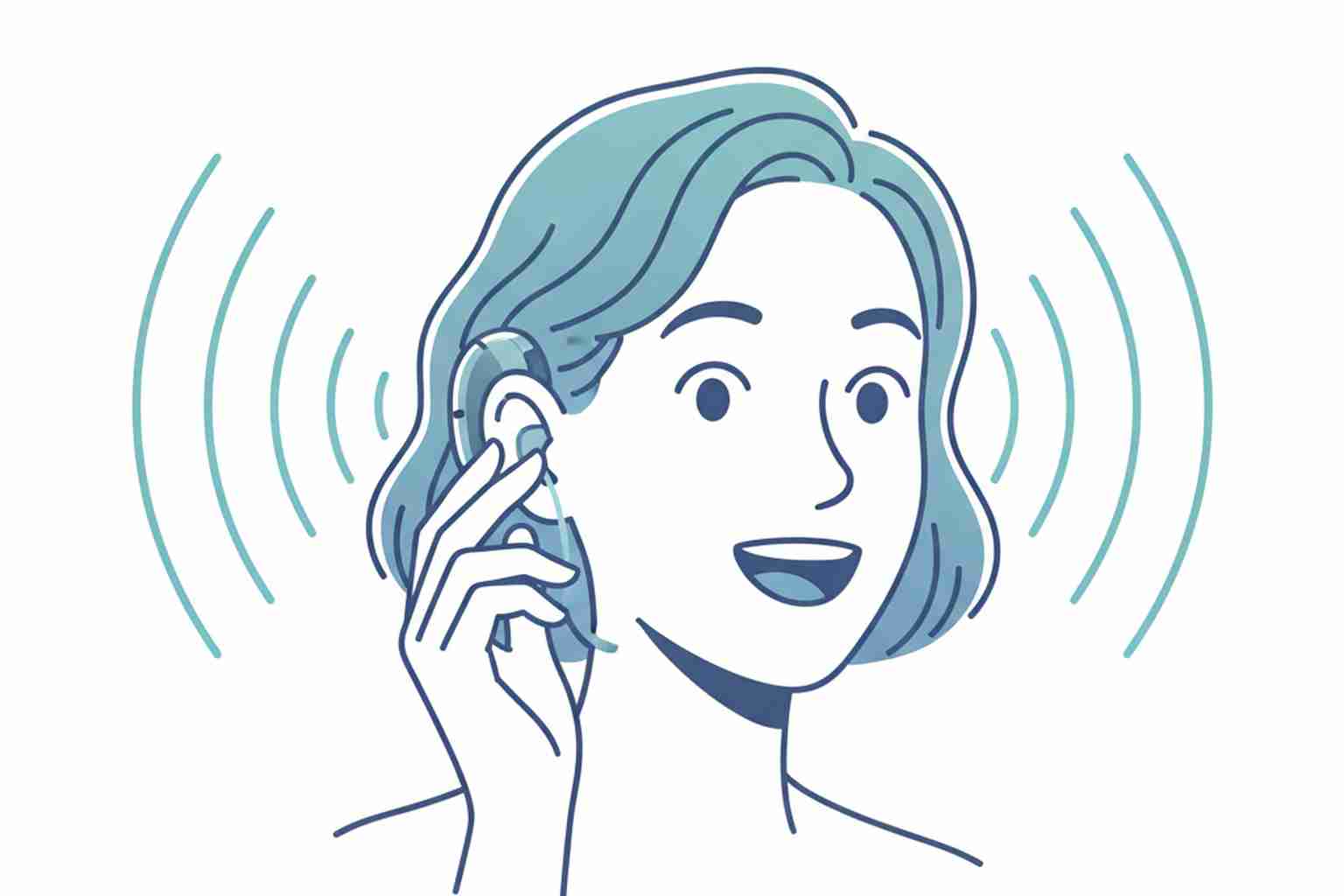
The first fully digital hearing aid launched in 1996. Digital processing allowed hearing aids to analyze sound, separate speech from noise, and amplify what mattered.
A licensed specialist could now adjust amplification for different environments. Today's models include Bluetooth hearing aids that stream calls and rechargeable hearing aids that eliminate tiny batteries.
Getting Your First Hearing Aid Today
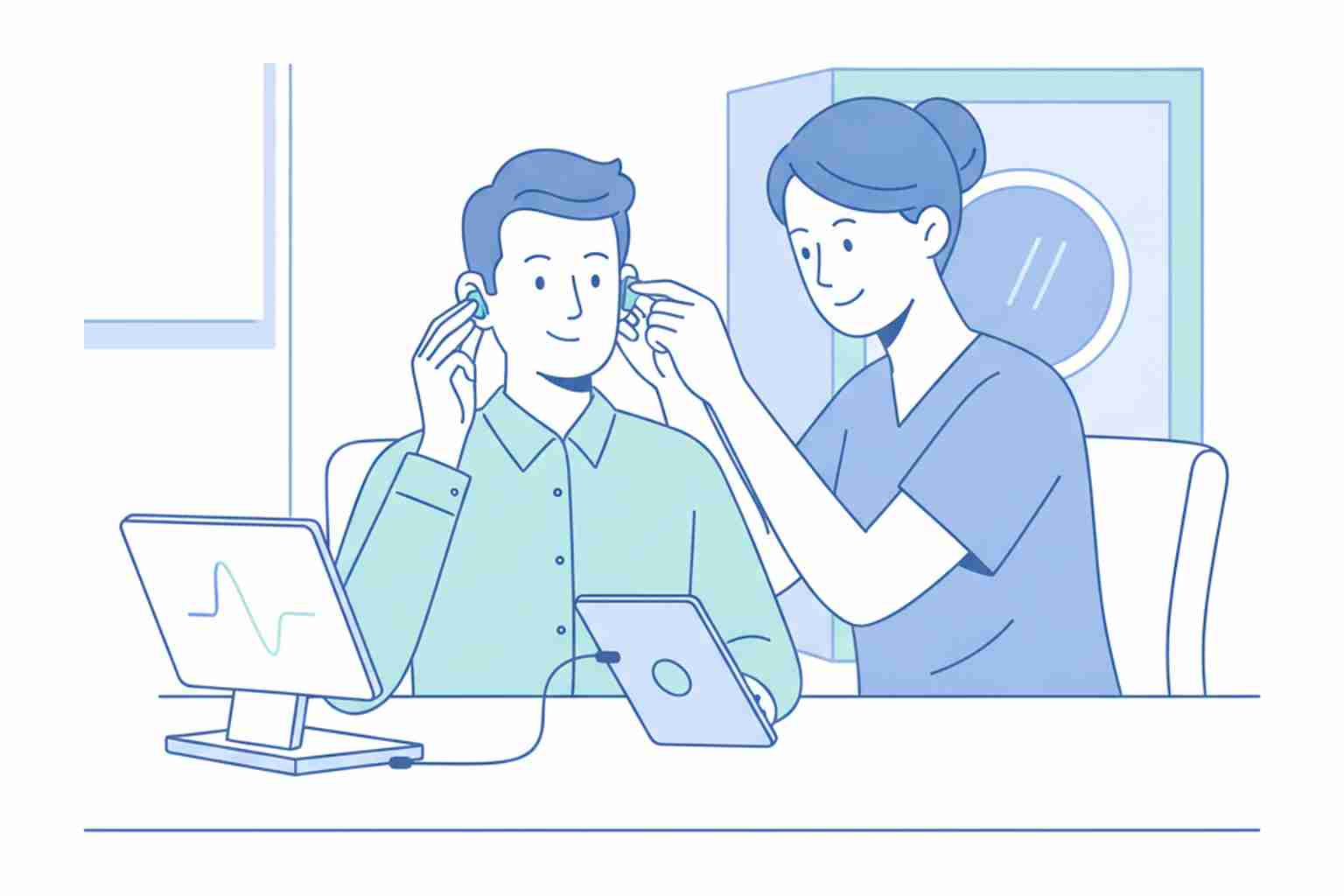
Getting your first hearing aid starts with a hearing test. Our licensed specialists evaluate your hearing and explain results in clear language, with no pressure. We then help you choose a style that fits your daily life. We also counsel you on what to expect in the first weeks. That preparation makes a real difference in how smoothly you adjust.
Overcoming the Stigma of Hearing Aids
Many people wait years before getting their first hearing aid. One reason is stigma. Hearing aids are associated with aging, and people feel reluctant to wear something visible. Glasses became normalized decades ago, but hearing aids have not fully reached that point.
On X (Twitter), users share stories about relatives who would rather miss their grandkid's voice than look "old" (@levikov, Jul 7, 2026). Others describe the shame of pretending to hear, laughing at jokes they never caught, and avoiding "can you repeat that" in conversations (@Honeyfarsafi, Aug 2025). That shame builds silently over years.
The relief after finally getting help is immediate. As one user shared after years of faking it: "life became better when I dropped the shame" (@Honeyfarsafi, 2025). Dropping the act of pretending to hear changes everything. You engage fully, and people notice.
What No One Tells You About Day One
Your first day with a hearing aid can feel surprising. One user on X posted after getting their first device: "I did not know birds were this loud" (@AlfhildeO, Jul 3, 2026). Another shared: "the world is WAY noisier and chaotic than I like" (@TwistedTexanDFW, Jun 27, 2026). The world has more sound in it than you realized.
Your brain has adapted to hearing loss by dialing down certain sounds. When your hearing aid restores them, everything feels intense. Running water, rustling leaves, and your own footsteps can seem unusually loud. This is normal, and it passes.
The Adjustment Period: How Long It Takes
Most people need two to four weeks to adjust to their first hearing aid. Your brain is relearning how to process sounds it has been missing. Overstimulation is common and expected.
We recommend wearing your hearing aids for a few hours the first day, then gradually increasing wear time:
| Timeframe | Wearing Schedule |
|---|---|
| Days 1-3 | Wear 2-4 hours at home in quiet settings |
| Days 4-7 | Add 1-2 hours daily, try short outings |
| Week 2 | Wear most of the day, include social settings |
| Weeks 3-4 | Full-day wear with follow-up adjustments |
Consistent daily wear is the single most important factor in a smooth adjustment. Our specialists check in with you and make adjustments.
Choosing Your First Hearing Aid Style
Choosing a hearing aid style depends on your hearing loss, lifestyle, and comfort. Our team walks you through every option.
Behind-the-Ear (BTE) Hearing Aids
BTE hearing aids rest behind the ear and deliver sound through a tube into a custom earmold. Key benefits include:
| BTE Advantage | Details |
|---|---|
| Hearing loss range | Suit a wide range of hearing loss, from mild to profound |
| Durability and handling | Durable and easy to handle for all ages |
| Amplification power | Offer strong amplification for complex losses |
Receiver-in-Canal (RIC) Hearing Aids
RIC hearing aids place the speaker inside the ear canal with a thin wire connecting to the behind-the-ear component. They sound natural and feel discreet. RIC models are among the most popular styles we fit.
In-the-Ear (ITE) Hearing Aids
ITE hearing aids sit in the outer portion of the ear canal and are custom-molded to your ear shape. These models are easier to handle for people with dexterity challenges.
Completely-in-Canal (CIC) Hearing Aids
CIC hearing aids sit deep inside the ear canal and are nearly invisible. They work best for mild to moderate hearing loss. Their discretion appeals to many first-time users.
Features to Consider
Think about your daily routine. Bluetooth connectivity may matter if you stream music or take calls. Rechargeable options simplify your day if you struggle with small batteries. Our specialists help you prioritize features based on what you actually do.
- Bluetooth for streaming calls and music
- Rechargeable batteries that eliminate tiny cells
- Noise reduction for restaurants and crowded spaces
- Telecoil for theaters and churches with loop systems
How Ear to Hear Can Help You Get Started
Our team has helped hundreds of people take their first step toward better hearing. Fear, hesitation, and even grief over hearing loss are all part of the journey.
We offer comprehensive hearing care services including testing, fitting, and ongoing support. Every hearing aid we fit comes with real-world counseling about what to expect.
Ready to take the first step? Schedule a free hearing test or call (813) 345-8135. Our trusted specialists are ready to help you hear clearly again. Relief starts with one call to (813) 345-8135.
Frequently Asked Questions
The first hearing aids were ear trumpets shaped like cones or horns. They were made from brass, silver, tortoiseshell, or wood. Users held the wide end toward the speaker and the narrow end in their ear. They had no batteries or electronics.
Miller Reese Hutchison invented the first electric hearing aid in 1898. He called it the Akouphone. It used a carbon transmitter to amplify sound and was originally a tabletop device.
Hearing aids evolved from mechanical ear trumpets to carbon, vacuum tube, transistor, and digital models. Each stage brought smaller size, better sound quality, and more features. Modern digital hearing aids process sound in real time and connect to smartphones.
First-time users should expect an adjustment period of two to four weeks. Sounds may seem loud and overwhelming at first. Consistent daily wear helps your brain adapt. A licensed specialist provides guidance and adjustments throughout the process.
References
- Berger, K. W. (1970). "The Hearing Aid: Its Use and Development." National Hearing Aid Society.
- Hutchison, M. R. (1902). "The Akouphone and Electrical Amplification of Sound." U.S. Patent Office.
- Killion, M. C. (1996). "The First Digital Hearing Aid." Hearing Journal, 49(10), 14-18.
- National Institute on Deafness and Other Communication Disorders. "Hearing Aids: Technology and History." NIDCD.
- @Honeyfarsafi. "Before I got hearing aids two years ago, I often laughed at jokes I didn't hear..." X/Twitter, Aug 13, 2025.
- @AlfhildeO. "I got my hearing aids! I did not know birds were this loud." X/Twitter, Jul 3, 2026.
- @levikov. "They'd rather miss their grandkid's voice than look OLD." X/Twitter, Jul 7, 2026.
- @TwistedTexanDFW. "I got hearing aids today. The world is WAY noisier and chaotic than I like." X/Twitter, Jun 27, 2026.
- @davidwade. "35% of people with hearing loss say it's too embarrassing to wear one." X/Twitter, Oct 18, 2022.
Ready to take the first step? Schedule a free hearing test or call us at (813) 345-8135.