
Key Takeaways
- Sound therapy and white noise help mask tinnitus at bedtime for better rest
- A consistent sleep schedule trains your brain to fall asleep faster
- Relaxation techniques lower stress and reduce how loud tinnitus feels
- Hearing aids with masking features provide proven tinnitus relief day and night
- Cutting caffeine and alcohol improves sleep quality for tinnitus patients
- Our licensed specialists offer tinnitus treatment tailored to your needs
Understanding Tinnitus and Sleep Quality
Tinnitus keeps millions awake at night. If you struggle to fall asleep with ringing in your ears, Ear to Hear can help you find proven relief. Our licensed specialists serve patients across Florida, Illinois, and Missouri. Call us at (813) 345-8135 to learn how to sleep with tinnitus more effectively.
Our team has helped countless patients build better sleep habits and find reliable relief from ear ringing. The right tools and routines can make a clear difference in your sleep quality. This guide covers practical steps you can start tonight.
Tinnitus is the perception of sound when no external source is present. People describe it as ringing, buzzing, hissing, or clicking in one or both ears. This condition affects your health and makes it hard to fall asleep and stay asleep. Poor sleep makes tinnitus symptoms feel louder, which creates a frustrating cycle.
Our team sees this pattern in patients every week. The good news is that you can break the cycle with proven strategies. Better sleep reduces how much you notice tinnitus during the day.
Why Tinnitus Feels Worse at Night
Your brain amplifies internal sounds when your environment gets quiet. During the day, background noise masks tinnitus naturally. At night, the silence of your bedroom makes the ringing feel louder.
Stress and fatigue also play a role. When you feel tired and anxious about sleep, your nervous system stays on alert. This keeps your focus locked on the tinnitus sound instead of drifting off.
Create a Sleep-Friendly Environment
Your bedroom should support sleep, not stress. Start by keeping the room cool, dark, and quiet. Use blackout curtains and keep the temperature between 60 and 67 degrees. These conditions help your body relax and prepare for consistent sleep.
Remove clutter and anything that reminds you of work. A clean, simple space signals to your brain that it is time to rest. Add a fan or air purifier to provide gentle background sound.
Use Sound Therapy and White Noise
Sound therapy is one of the most effective tinnitus sound therapy techniques available. Adding gentle background noise gives your brain something else to focus on. This reduces how prominent the ringing feels at bedtime.
White Noise Machines
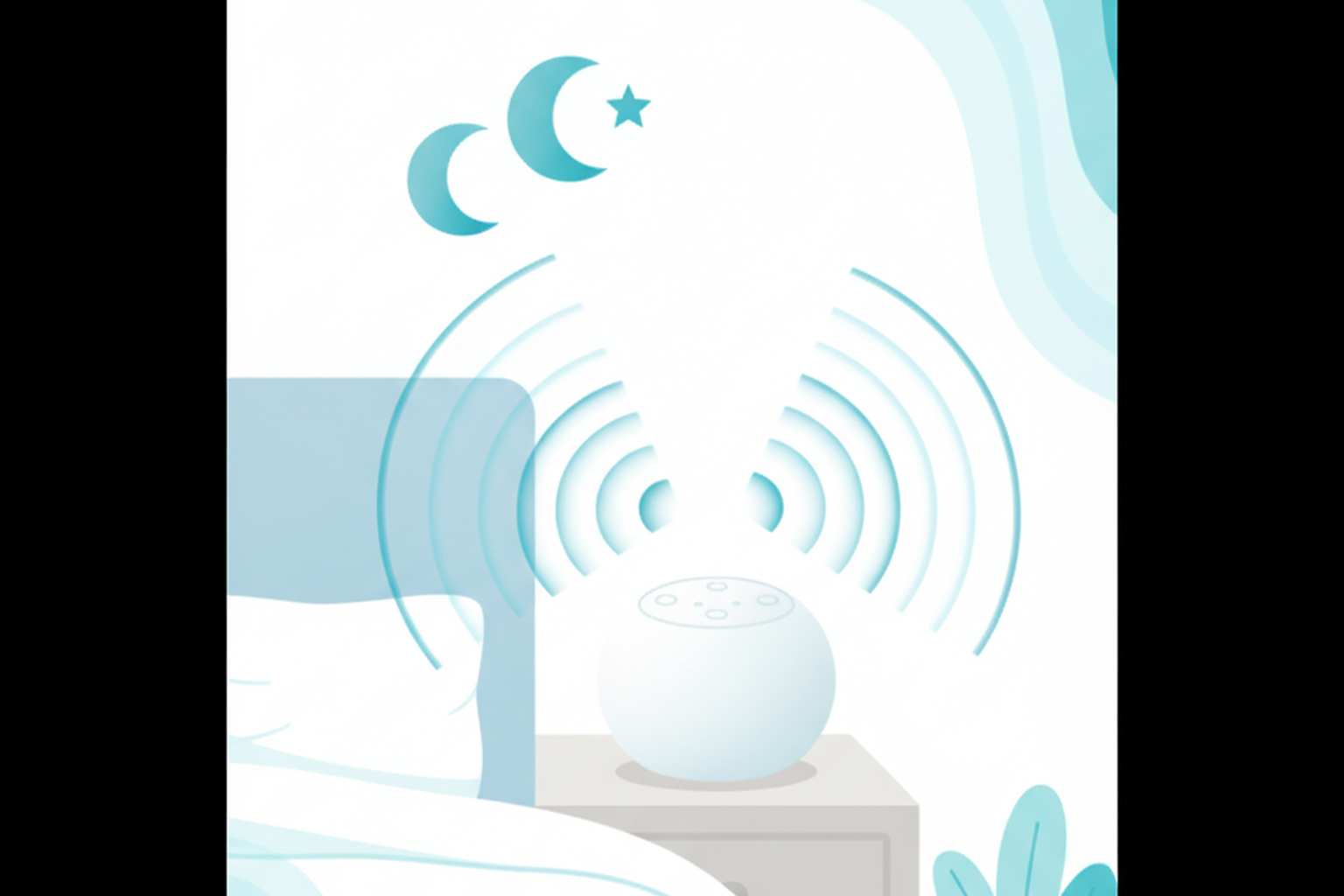
White noise machines produce a steady sound that covers a wide frequency range. They work well because they mask the tinnitus without drawing attention. Place one near your bed and set it to a comfortable volume. Using white noise every night builds a sleep cue your brain recognizes.
Nature Sounds and Pink Noise
Nature sounds like rainfall, ocean waves, or wind create a calming backdrop. Pink noise is deeper than white noise and many people find it more soothing. Both options help you relax and shift attention away from ear ringing. Try different sounds to find what gives you the best tinnitus relief.
Build a Consistent Sleep Schedule
Your body thrives on routine. Go to bed and wake up at the same time every day, even on weekends. This regulates your internal clock and makes it easier to fall asleep naturally. A predictable sleep schedule also improves overall sleep quality.
Create a wind-down routine that starts 30 to 60 minutes before bed. Turn off work tasks and switch to relaxing activities.
Practice Good Sleep Hygiene
Good sleep hygiene means building habits that support restful sleep. Keep your bedroom for sleep and intimacy only. Avoid working, eating, or watching TV in bed. This trains your brain to connect the bedroom with rest.
Limit naps during the day, especially in the late afternoon. If you need a nap, keep it under 30 minutes. Long naps disrupt your sleep schedule and make it harder to fall asleep at night.
Smartphone Apps for Tinnitus
Many free and paid apps offer tinnitus masking sounds and guided sleep sessions. Look for apps designed by hearing health professionals. These tools let you customize sound therapy from your phone. They are a dependable option for travel or when you cannot bring a sound machine.
Try Relaxation Techniques Before Bed
Relaxation calms your nervous system and reduces how loud tinnitus feels. Try deep breathing by inhaling for four counts, holding for four, and exhaling for six. This simple technique lowers your heart rate and signals your body to rest. It is a safe method anyone can try tonight.
Progressive muscle relaxation also works well. Tense and release each muscle group from your toes to your head. This releases physical tension you may not realize you are carrying. Our team often recommends these proven methods to patients with sleep difficulties.
Manage Caffeine, Alcohol, and Tobacco
What you consume during the day affects how well you sleep at night. Caffeine, alcohol, and tobacco can all worsen tinnitus symptoms. Avoiding caffeine in the afternoon gives your body time to wind down. Small changes in these habits can bring clear improvements.

Screen Time and Blue Light
Phones, tablets, and computers emit blue light that suppresses melatonin. Melatonin is the hormone that tells your body it is time to sleep. Stop using screens at least one hour before bedtime. If you must use a device, turn on night mode or wear blue light glasses.
When to Stop Caffeine
Caffeine has a half-life of about five hours. If you drink coffee at 3 PM, half of that caffeine is still in your system at 8 PM. Stop consuming caffeine by early afternoon to protect your sleep. This includes coffee, tea, energy drinks, and chocolate.
Sleep Positions That Help with Tinnitus
Your sleep position can change how loud tinnitus feels. Some positions increase blood pressure in the head and make ringing worse. Finding the right position helps you get comfortable and fall asleep faster. Experiment to see what works best for your body.
Alcohol and Sleep Quality
Alcohol may help you fall asleep faster, but it disrupts sleep quality later in the night. It causes you to wake up in the early morning hours. Alcohol also dilates blood vessels, which can increase tinnitus volume. Limit drinks and avoid alcohol within three hours of bedtime.
Sleeping on Your Side
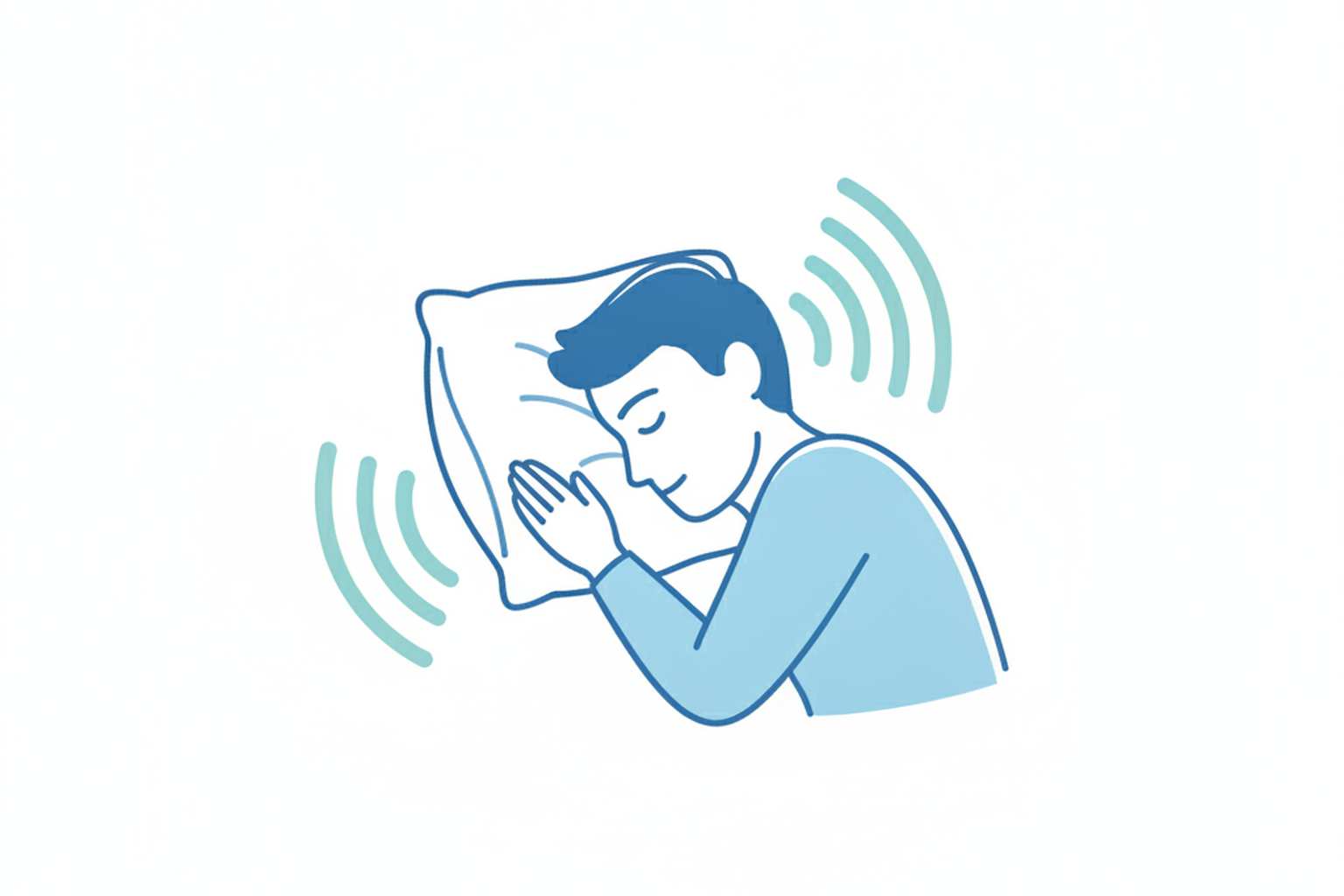
Many people with tinnitus prefer sleeping on their side. This can feel less intense because the ear pressed into the pillow picks up less external sound. Use a pillow that supports your neck and keeps your spine aligned. This reduces tension that can worsen symptoms.
Sleeping on Your Back
Sleeping on your back keeps your head and neck in a neutral position. This can reduce pressure that contributes to tinnitus. Use a supportive pillow that does not tilt your head forward. Back sleeping works well for patients who experience neck tension.
Tinnitus Sleep Pillows and Masking Devices
A tinnitus sleep pillow has built-in speakers that play masking sounds directly into your ear. This gives you sound therapy without disturbing your partner. The pillow connects to a phone or sound machine through a hidden cable. Many patients find these pillows a reliable tool for tinnitus-related sleep problems.
Masking devices are small wearables that produce white noise or tonal sounds. Some sit in the ear while others rest on a bedside table. Talk to a specialist about which type fits your needs. Our team can help you choose a proven device during your visit.
Hearing Aids with Tinnitus Masking Features
Modern hearing aids do more than amplify sound. Many include built-in masking features that deliver tinnitus relief throughout the day. These devices address hearing loss and tinnitus at the same time. Treating both conditions together improves sleep and daily comfort.

Elevating Your Head
Raising your head slightly can improve blood flow and reduce ear pressure. Use an extra pillow or an adjustable bed base. Keep your head elevated about six inches for best results. This position helps patients who feel more ringing when lying flat.
Built-In Tinnitus Maskers
Some devices include a built-in masker that generates a soothing tone. This tone competes with the ringing and helps your brain tune it out. Behind the ear hearing aids often include this feature. Our experienced specialists can program the masker to match your specific tinnitus pitch.
When to Consider Sleep Medication
Sleep medication can help in short-term situations, but it is not a long-term fix. Some medicines help you fall asleep but do not improve sleep quality. Others can worsen tinnitus symptoms as a side effect. Always talk to a licensed provider before trying any sleep aid for tinnitus.
Over-the-counter options like melatonin may help reset your sleep cycle. Prescription medicine should only be used under professional supervision. Our team works with your doctor to coordinate care.
Cognitive Behavioral Therapy for Tinnitus
Cognitive behavioral therapy, or CBT, is a proven approach for tinnitus management. It teaches you to change how you react to the ringing. Instead of feeling stress and anxiety, you learn to respond calmly.
CBT also addresses sleep difficulties directly. A trained therapist helps you identify thoughts that keep you awake. You learn coping skills that make tinnitus less disruptive.
The Link Between Sleep Deprivation and Tinnitus
Sleep deprivation and tinnitus feed each other in a vicious cycle. Poor sleep makes tinnitus feel louder the next day. Louder tinnitus makes it harder to sleep the next night. Breaking this cycle requires consistent effort and the right tools.
Can lack of sleep cause tinnitus? Research suggests stress and exhaustion can trigger or worsen symptoms. Protecting your sleep protects your hearing health. Our team helps patients address both sides of this problem for lasting relief.
How Ear to Hear Can Help You Find Relief
Our licensed specialists understand how tinnitus affects your sleep and daily life. We offer comprehensive hearing test options to assess your hearing and identify tinnitus patterns. From there, we build a personalized tinnitus treatment plan for your needs. Call us at (813) 345-8135 to speak with a trusted professional today.
We provide a full range of hearing care services for patients in Wesley Chapel, FL and beyond. Our team serves patients across Florida, Illinois, and Missouri. We fit hearing devices, offer sound therapy options, and guide you through every step. Schedule a free hearing test to start your journey toward better sleep and clear hearing.
Sound Therapy Programs
Many hearing devices offer sound therapy programs with customizable options. You can choose white noise, ocean sounds, or chimes at the touch of a button. Rechargeable hearing aids make this convenient because you never need to buy batteries. These programs provide dependable relief day and night.
Take the First Step Toward Better Sleep
Tinnitus does not have to control your nights. Our licensed specialists can help you find proven relief with personalized tinnitus treatment and hearing care. Schedule a free hearing test at Ear to Hear today.
Frequently Asked Questions
Yes. Most people find that tinnitus becomes less noticeable over time. Your brain adapts and learns to filter out the ringing. Sound therapy, relaxation techniques, and professional support speed up this process. Many patients report major improvements within their first year of treatment.
You cannot force yourself to ignore tinnitus, but you can train your brain to focus elsewhere. Background sound, engaging activities, and stress reduction all help. Hearing aids with masking features redirect your attention to external sounds. CBT also teaches your brain to reduce its response to the ringing.
Lying down changes blood flow and pressure in your head and neck. This can increase the volume of tinnitus you perceive. Your bedroom is also quieter than your daytime environment, which makes the ringing stand out. Using sound masking and elevating your head can help reduce this effect.
There is no single best position for everyone. Many patients find relief sleeping on their side with a supportive pillow. Others prefer sleeping on their back with their head slightly elevated. Try each position for a few nights and note which one gives you the best sleep.
References
- American Tinnitus Association. (2023). Tinnitus and Sleep. ATA Publications.
- National Institute on Deafness and Other Communication Disorders. (2022). Tinnitus Overview. NIDCD.
- Sleep Foundation. (2023). How Sound Affects Sleep Quality. Sleep Foundation Reports.
- American Academy of Audiology. (2022). Tinnitus Management Strategies. AAA Guidelines.
- Journal of the American Academy of Audiology. (2021). CBT for Tinnitus: A Review of Evidence.