
Key Takeaways
- Itchy ears are most often caused by earwax buildup, dry skin, allergies, or eczema
- Cotton swabs make itching worse and can cause injury
- Home remedies like warm oil drops ease mild itching
- Persistent itching with pain or discharge needs professional care
- Hearing aid wearers may experience itching from poor fit or allergic reactions
- An audiologist can identify the root cause and recommend treatment
Common Causes of Itchy Ears
If your ears are constantly itching, you are not alone. Itchy ears affect millions and can range from a mild annoyance to a sign that needs professional attention. The audiologists at Ear to Hear see patients every week looking for relief from ear canal itching. Call (813) 345-8135 to schedule an evaluation.
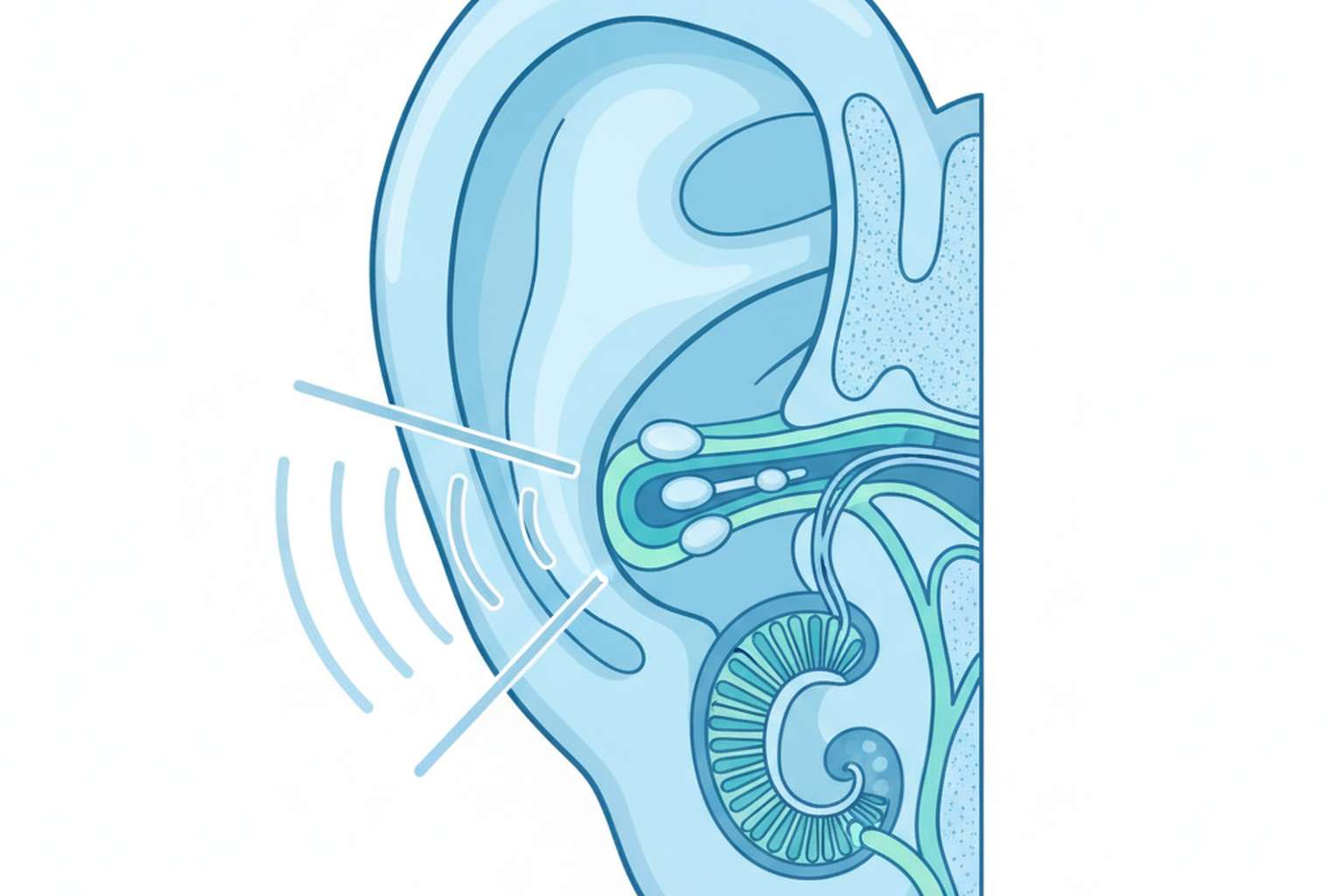
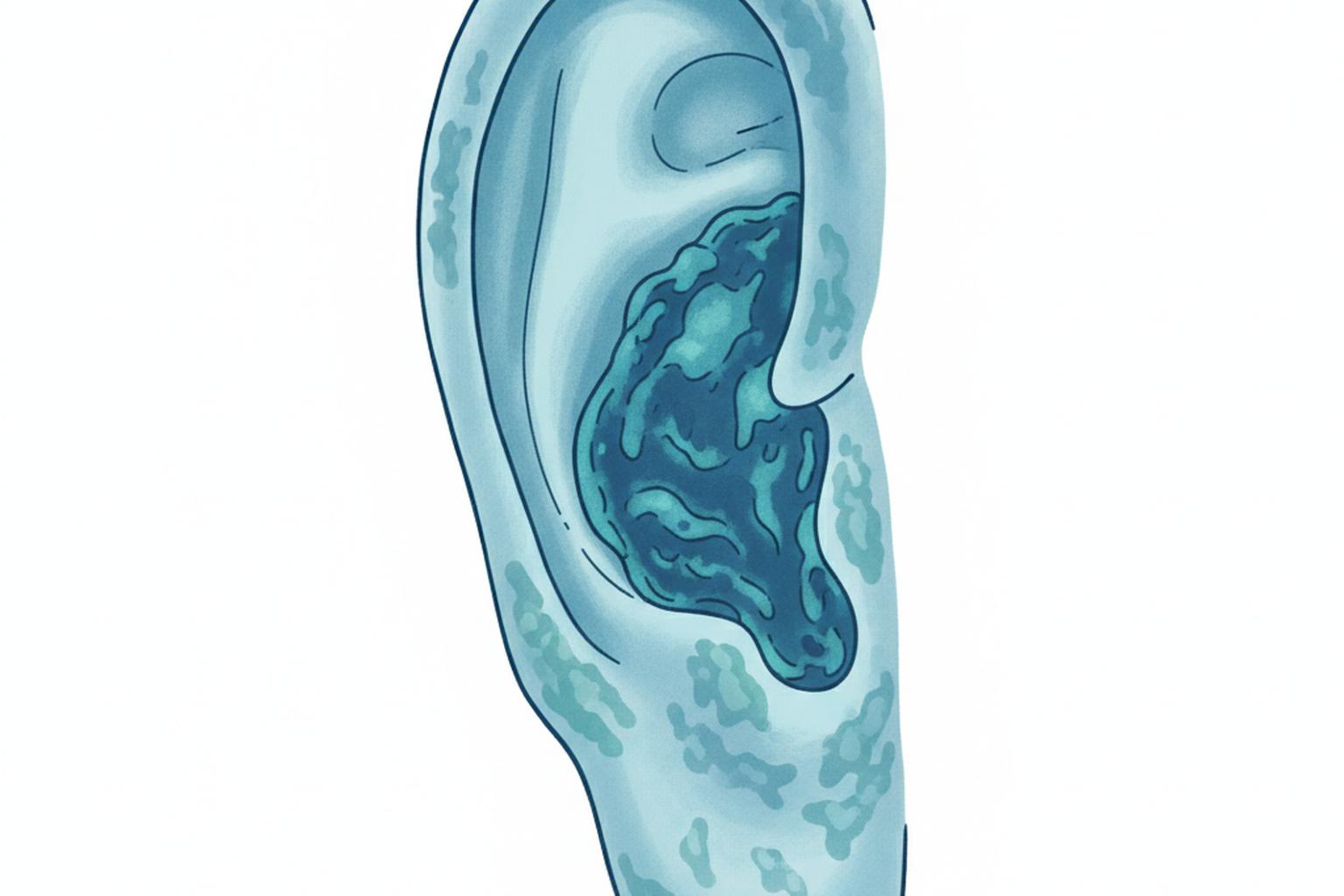
Earwax buildup is a top reason for itching inside the ear canal. When wax accumulates, it traps moisture and irritates sensitive skin. Allergies trigger ear itching through histamine reactions that affect the canal. Dry skin from cold weather or aging strips the canal of natural oils. Skin conditions such as eczema and psoriasis can develop inside the canal, producing flaky skin and intense itching.
Ear Infections and Itching
An ear infection is another common cause. Otitis externa, or swimmer's ear, happens when bacteria enter the canal through moisture or scratches, causing itching, pain, and drainage. Fungal infections also develop in warm, humid climates. If itching comes with pain or discharge, infection may be the cause. Treatment involves prescription ear drops. Learn about ear health on our hearing tests page.
Habits That Make Itchy Ears Worse
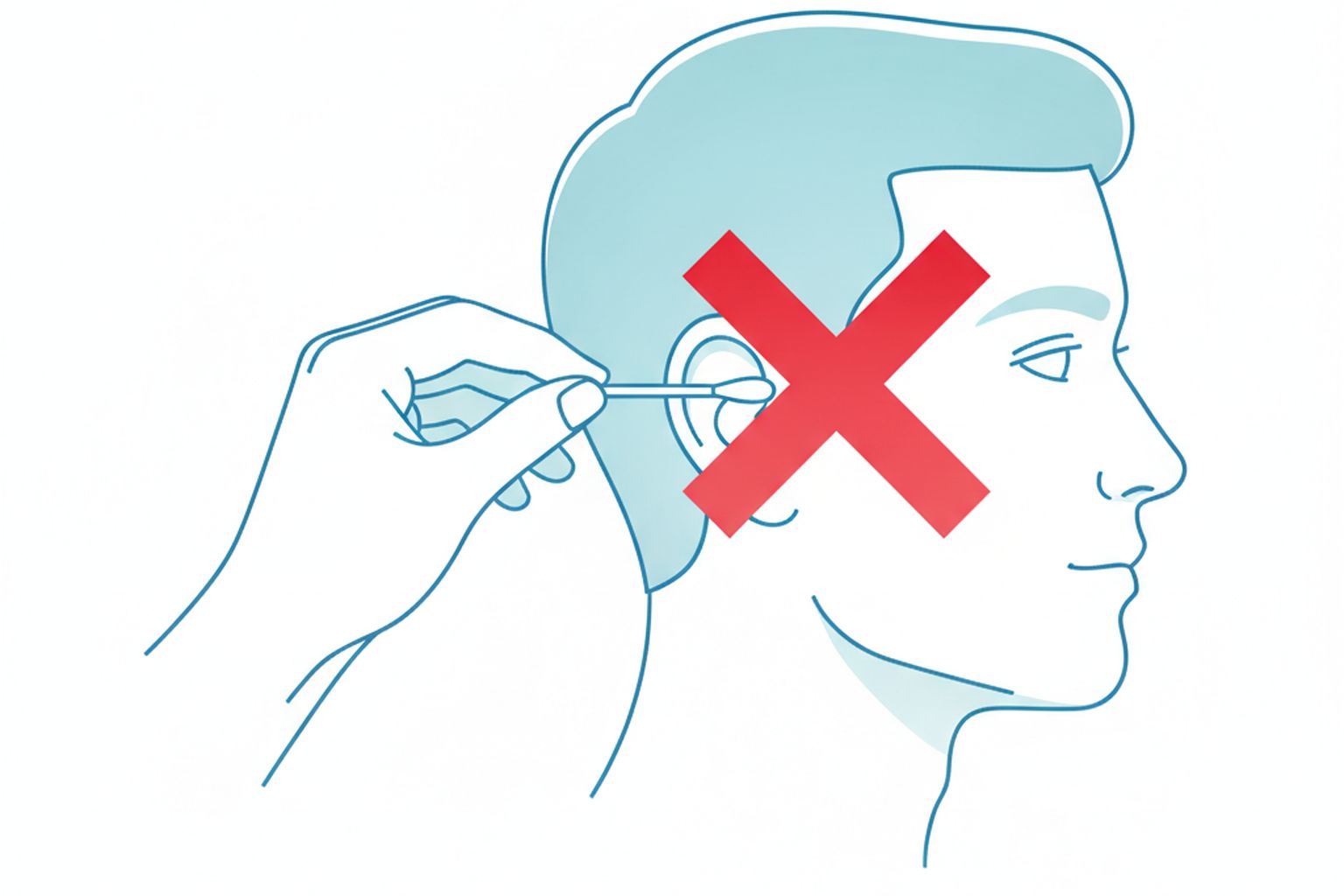
Cotton swabs push earwax deeper and scratch delicate skin, creating openings for bacteria. Other objects like bobby pins or fingers introduce bacteria and risk puncturing the eardrum. Frequent cleaning strips protective earwax, leaving skin exposed and itchier. If you wear hearing aids, a poor fit or allergic reaction to ear mold material can trigger itching.
Home Remedies for Itchy Ears
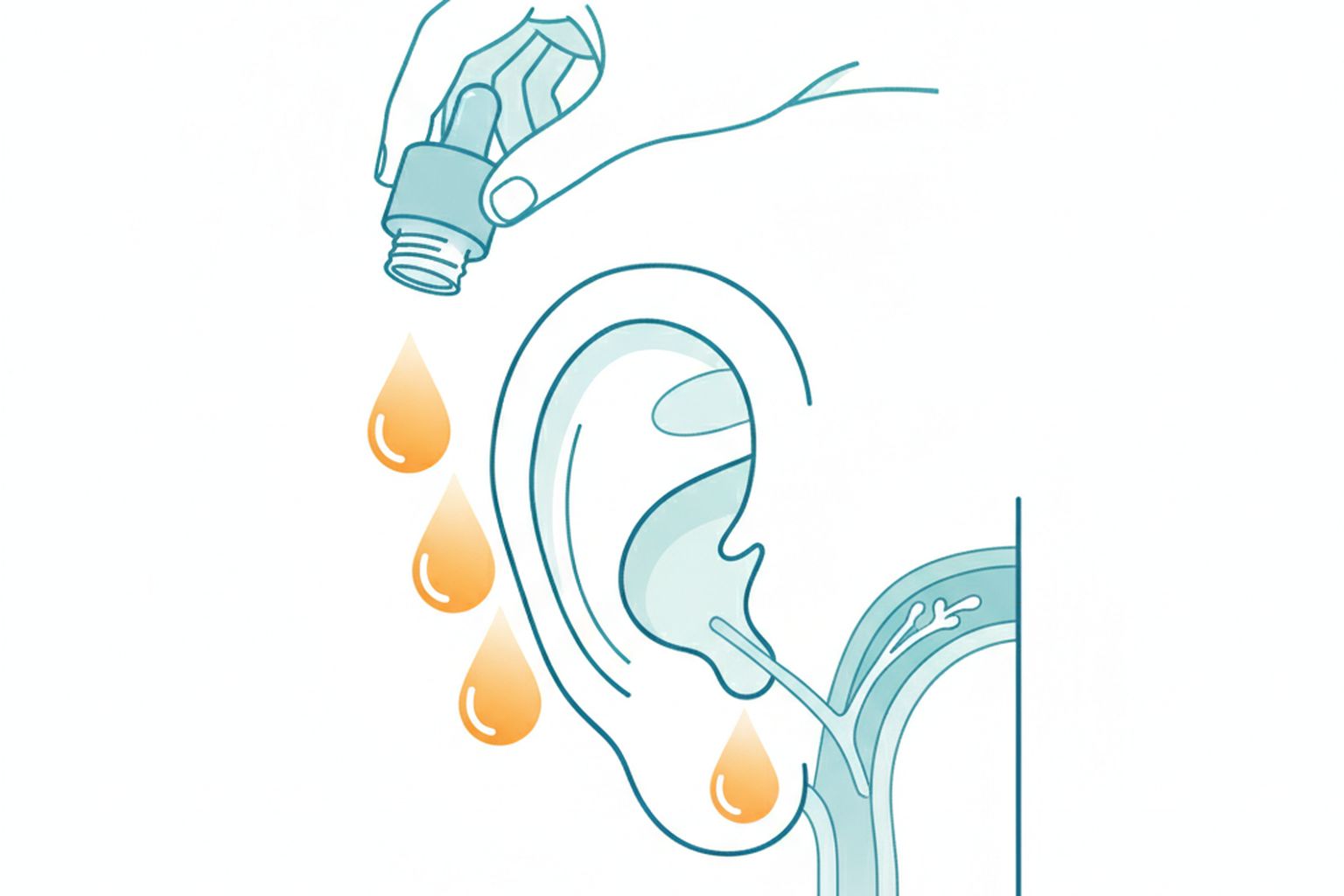
For mild itching without infection, warm oil drops using mineral oil or olive oil moisturize a dry canal and soften excess earwax. Place a few drops in the ear, wait a minute, then tilt your head to drain. A warm cloth against the ear soothes irritated skin. Over-the-counter wax removal drops may help if buildup is the issue. For hearing aid irritation, schedule an appointment to have your device adjusted.
When to See an Audiologist
Itchy ears that persist more than a few days, cause pain, or come with discharge need professional evaluation. An audiologist can examine the canal, identify the cause, and prescribe treatment. Ignoring symptoms can lead to worsening infections or temporary hearing loss. Call (813) 345-8135 or visit our services page.
Preventing Itchy Ears
Avoid cotton swabs and anything that could scratch the canal. If prone to dry skin, a few drops of oil weekly keeps the canal moisturized. After swimming or showering, tilt your head to let water drain and dry the outer ear. Allergy sufferers can manage reactions with medication. Hearing aid users should have devices checked regularly - our behind the ear hearing aid guide explains how proper fit prevents irritation.

Frequently Asked Questions
Common causes include earwax buildup, dry skin, allergies, eczema, ear infections, and irritation from hearing aids or cotton swabs.
See a doctor if itching persists more than a few days, or comes with pain, discharge, swelling, or hearing changes.
Yes. Poor fit, allergic reactions to ear mold materials, or trapped moisture can cause itching. An audiologist can adjust or replace the ear mold.
Try warm oil drops, avoid cotton swabs, keep ears dry after bathing, and manage allergies with antihistamines. Persistent or painful itching needs professional care.
References
- American Academy of Otolaryngology. Earwax and ear cleaning guidelines.
- Cleveland Clinic. Itchy ears: causes and treatments.
Ready to find relief from itchy ears? Schedule an appointment with our audiologists or call us at (813) 345-8135.