
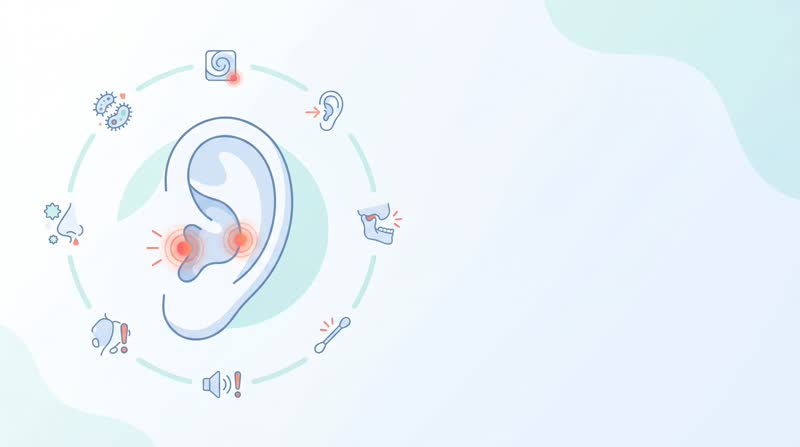
If you are wondering why does my ear hurt, you are not alone - ear pain is one of the most common reasons people seek help from a licensed hearing specialist. Whether it is a dull ache, a sharp stabbing sensation, or pressure that builds when you swallow, ear discomfort can disrupt your entire day. The good news is that most causes of ear pain are treatable once a trusted professional identifies the source. At Ear to Hear in Wesley Chapel, our licensed hearing specialists provide clear answers and personalized relief so you can get back to living comfortably.
What Is Behind Your Ear Pain? Understanding the Most Common Causes
Ear pain has many possible sources - and sometimes the real cause is not even in the ear itself. The ear shares nerves with the jaw, throat, and neck, which means discomfort in one area can easily radiate to another. A licensed hearing specialist has the training and tools to pinpoint the exact cause and recommend the most effective path to relief.
Quick Insight
According to the Mayo Clinic, most ear pain falls into two categories: primary (originating in the ear) and referred (coming from nearby structures like the jaw or throat). A professional evaluation helps determine which type you are experiencing.
7 Common Causes of Ear Pain - And When Each Needs Professional Care
1. Middle Ear Infection (Otitis Media)
One of the most frequent causes of ear pain, especially in adults with colds or sinus issues. Fluid builds up behind the eardrum, creating pressure and often a deep, throbbing ache. While many infections resolve on their own, persistent pain or hearing changes call for a trusted evaluation from a licensed specialist.
2. Ear Wax Buildup
Excessive wax can press against the eardrum, causing a feeling of fullness, muffled hearing, and discomfort. This happens most often when cotton swabs push wax deeper instead of removing it. A professional ear cleaning is the safest way to clear a blockage without risking damage to the ear canal.
3. Eustachian Tube Dysfunction
The Eustachian tube connects your middle ear to the back of your throat, regulating pressure. When it becomes blocked by congestion, allergies, or a cold, you may feel pressure, popping, or pain. This is especially common during flights or altitude changes. A licensed specialist can determine if your symptoms need treatment or will resolve naturally.
4. TMJ (Jaw Joint) Issues
The temporomandibular joint sits right next to your ear canal. Inflammation, tension, or misalignment in this joint can radiate pain directly into the ear. If your ear ache worsens when you chew, yawn, or clench your jaw, TMJ may be responsible - and a dependable specialist can help identify this often-overlooked cause.
5. Swimmer's Ear (Otitis Externa)
Moisture trapped in the outer ear canal creates an ideal environment for bacteria. The result is tenderness, itching, and pain that worsens when the outer ear is touched. Swimmer's ear is common after water exposure and typically requires professional treatment to prevent complications.
6. Throat and Sinus Infections
Because the throat and ears share nerve pathways, a sore throat or sinus infection can make your ear hurt even when the ear itself is healthy. This referred pain is especially common with swollen lymph nodes or post-nasal drip. Treating the underlying infection usually resolves the ear discomfort as well.
7. Changes in Air Pressure
Rapid altitude changes - whether from flying, driving through mountains, or even riding an elevator - can create painful pressure imbalances in the ear. Most pressure-related discomfort eases with simple techniques like yawning or swallowing. When it does not, a professional can provide clear answers and safe relief.
Sharp Pain vs. Dull Ache - What Your Ear Pain Is Telling You
The type of ear pain you experience often points to the underlying cause:
| Pain Type | Likely Cause |
|---|---|
| Sharp, sudden pain | Often indicates an acute infection, barotrauma from pressure changes, or a foreign object in the canal |
| Dull, persistent ache | Typically associated with chronic conditions like TMJ, ongoing Eustachian tube issues, or wax impaction |
| Pain when swallowing or chewing | Strongly suggests Eustachian tube involvement or TMJ-related discomfort |
| Throbbing pain with fever | May signal an active infection that needs prompt, professional attention |
When to Seek Help
The American Academy of Otolaryngology recommends seeing a specialist if ear pain lasts more than 2 days, is accompanied by hearing loss, involves fluid drainage, or causes severe discomfort. Early evaluation provides the clearest path to relief.
Quick-Relief Tips: Safe Home Approaches That Help
While you schedule a professional evaluation, these safe approaches may provide temporary relief:
| Method | How It Helps |
|---|---|
| Warm compress | Place a warm, damp cloth against the affected ear for 10-15 minutes to ease pressure and discomfort |
| Stay upright | Keeping your head elevated helps fluid drain naturally from the middle ear |
| Gentle jaw stretching | Slow, careful jaw movements can relieve pressure from Eustachian tube congestion |
| Over-the-counter pain relief | Acetaminophen or ibuprofen can reduce inflammation and discomfort temporarily |
| Nasal saline rinse | If congestion is contributing to ear pressure, clearing nasal passages can help |
Important: Never insert cotton swabs, objects, or liquids into your ear canal without guidance from a licensed professional. Doing so can worsen the condition or cause permanent damage.
When Ear Pain Means It Is Time to See a Licensed Specialist
Certain symptoms mean you should not wait for the discomfort to pass. Contact a licensed hearing specialist right away if you experience:
- Ear pain that persists for more than 48 hours
- Noticeable hearing changes or muffled hearing
- Fluid, pus, or blood draining from the ear
- Dizziness, vertigo, or balance problems
- Fever accompanying ear discomfort
- Pain that worsens despite home remedies
The National Institute on Deafness and Other Communication Disorders (NIDCD) emphasizes that early evaluation of ear symptoms helps prevent complications and leads to better outcomes. The MedlinePlus ear pain resource also provides helpful information about symptoms that warrant professional attention. A trusted hearing specialist gives you clear answers - not guesswork.
How Ear to Hear Provides Trusted, Personalized Relief
At Ear to Hear, our licensed specialists understand that ear pain is more than a physical symptom - it affects your quality of life. That is why we take a personalized approach to every evaluation:
| Our Approach | What It Means for You |
|---|---|
| Comprehensive evaluation | We examine the full picture: your ear health history, current symptoms, and lifestyle factors |
| Professional diagnostics | Advanced tools that provide clear, accurate results |
| Personalized treatment plans | No one-size-fits-all solutions. We recommend what works for your specific situation |
| Ongoing support | Dependable follow-up care to ensure your relief is lasting |
Whether your ear pain comes from wax buildup, pressure changes, an infection, or something else entirely, our team provides the trusted expertise and free hearing evaluations that help you move forward with confidence.
Ready for Clear Answers and Lasting Relief?
Schedule a free hearing evaluation with a licensed specialist at Ear to Hear. We will identify the cause of your ear pain and create a personalized plan for relief.
Schedule Your Free EvaluationFrequently Asked Questions About Ear Pain
Ear pain when swallowing is often linked to the Eustachian tube - the small canal connecting your middle ear to your throat. When this tube becomes inflamed from a cold, allergies, or sinus infection, swallowing can create pressure changes that trigger discomfort. A licensed hearing specialist can determine whether your symptoms need treatment or will resolve on their own.
Inner ear pain can result from ear infections, wax buildup pressing against the eardrum, Eustachian tube dysfunction, or even jaw joint issues (TMJ). Because several conditions share similar symptoms, a professional evaluation from a licensed specialist provides the clearest path to relief.
You should see a licensed hearing specialist if your ear pain lasts more than 2 days, is accompanied by hearing loss, involves fluid drainage, causes severe discomfort, or comes with fever or dizziness. Early evaluation can prevent complications and provide personalized relief.
Yes. The jaw joint (TMJ) sits right next to the ear canal, and inflammation or tension in this joint radiates pain that feels like it is coming from inside the ear. If your ear ache worsens when you chew, yawn, or clench your jaw, TMJ may be the cause - and a licensed specialist can help identify it.
Ear pain and hearing loss can be connected, though they do not always appear together. Conditions like middle ear infections, wax impaction, and Eustachian tube dysfunction can cause both discomfort and temporary hearing changes. A free hearing evaluation from a licensed specialist gives you clear answers about both.
References
- Mayo Clinic. "Ear pain:" mayoclinic.org
- American Academy of Otolaryngology. "Ear Infections: Symptoms and Treatment." enthealth.org
- National Institute on Deafness. "Ear Infections: Causes and Treatment." nidcd.nih.gov
- MedlinePlus. "Ear Pain." medlineplus.gov