
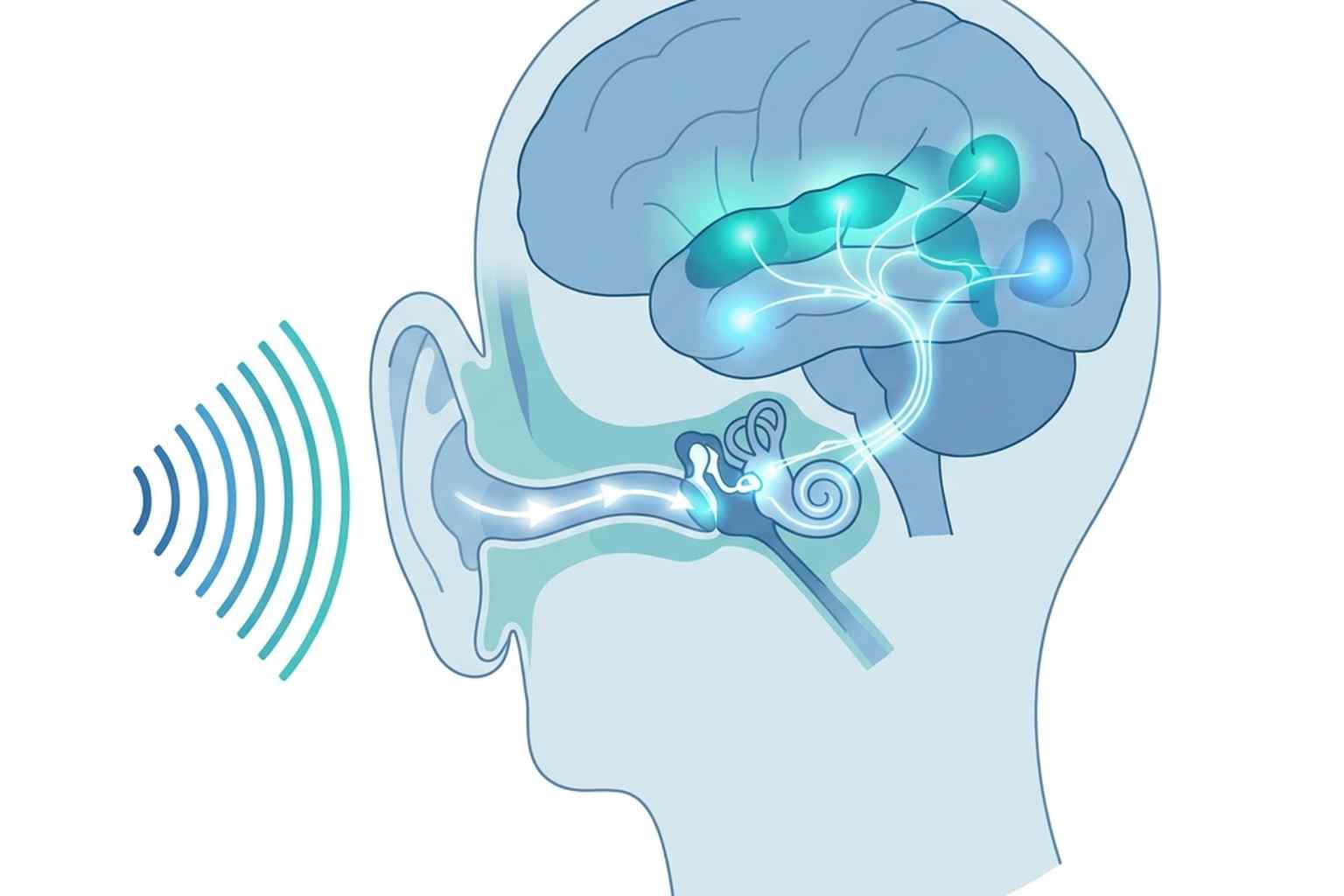
Key Takeaways
- APD is a brain issue, not an ear issue, so a hearing test can come back normal.
- The most common clue is trouble following speech in noise, like a busy restaurant.
- APD is not hearing loss and not an intellectual disability.
- Diagnosis requires special APD tests given by an audiologist.
- Training, therapy, and simple communication strategies bring real relief.
- Hearing aids help only when hearing loss is also present; we can check both.
Many people expect a hearing problem to show up on a hearing test. So when your ears pass but you still ask people to repeat themselves, it feels confusing and a little scary. At Ear to Hear, we meet people every week who live this way, and real help exists.
The explanation is often auditory processing disorder in adults. Your ears can hear perfectly while your brain struggles to sort out the message. Here is what APD is, why it gets missed, and a safe, proven path to clearer listening from our trusted team.
What Is Auditory Processing Disorder?
APD happens when the brain has trouble making sense of what the ears hear. The ears pick up sound fine; the problem sits where the brain turns sound into meaning.
APD is not an intellectual disability. It is not laziness, poor attention, or hearing loss. People with APD often hear every word and still miss the message.
Signs and Symptoms in Adults
Adults with APD often struggle most in busy places. The classic sign is difficulty understanding speech when background noise competes, like in a restaurant or meeting. Group conversations get exhausting when several voices compete.
Other symptoms include asking people to repeat themselves, missing parts of phone calls, and losing track of multi-step directions. Many people forget names right after an introduction. Research on hearing loss and dementia shows why untreated listening problems deserve attention.
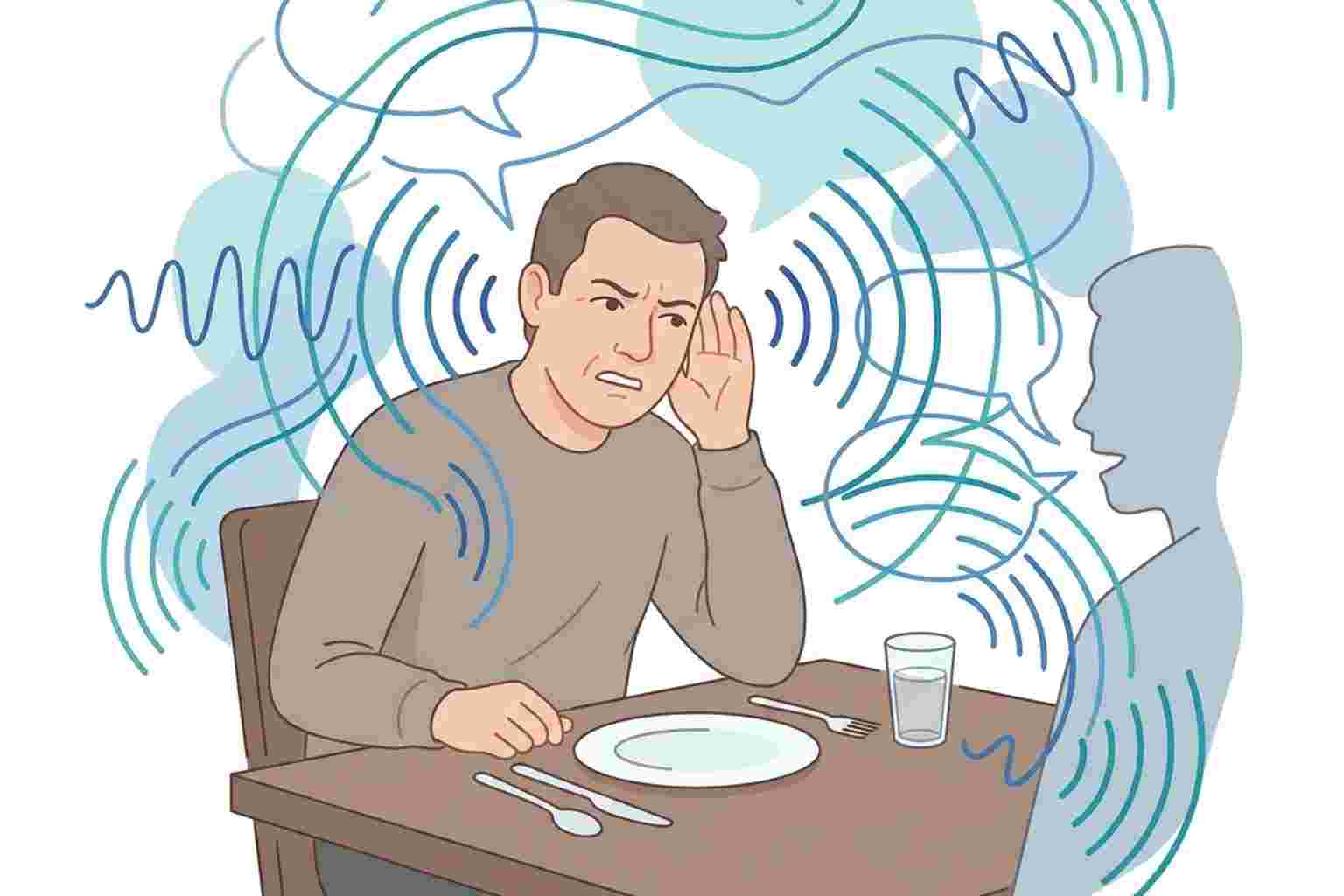
Why It Is Often Missed or Mistaken for Hearing Loss
Most people assume any listening problem means their hearing is failing, so they get a hearing test, and it comes back normal. That brings relief but also confusion.
APD is not the same as hearing loss, which changes how loud sound is; APD changes how the brain handles sound once it arrives. Because language itself is intact, someone with APD can read and write well yet struggle to follow spoken words. A normal result does not mean a normal listening life.
How APD Is Diagnosed
A full APD evaluation goes beyond a basic hearing check. An ENT examines the ears for physical problems, and an audiologist measures how the auditory system handles sound under stress, like speech in noise and words delivered to each ear.
There is no quick screen, so a licensed specialist matters. We rule out problems in the ear using hearing tests that cover all the types of hearing loss. If your ears were cleared but you still struggle, schedule an appointment. Our online hearing test is a quick first step.
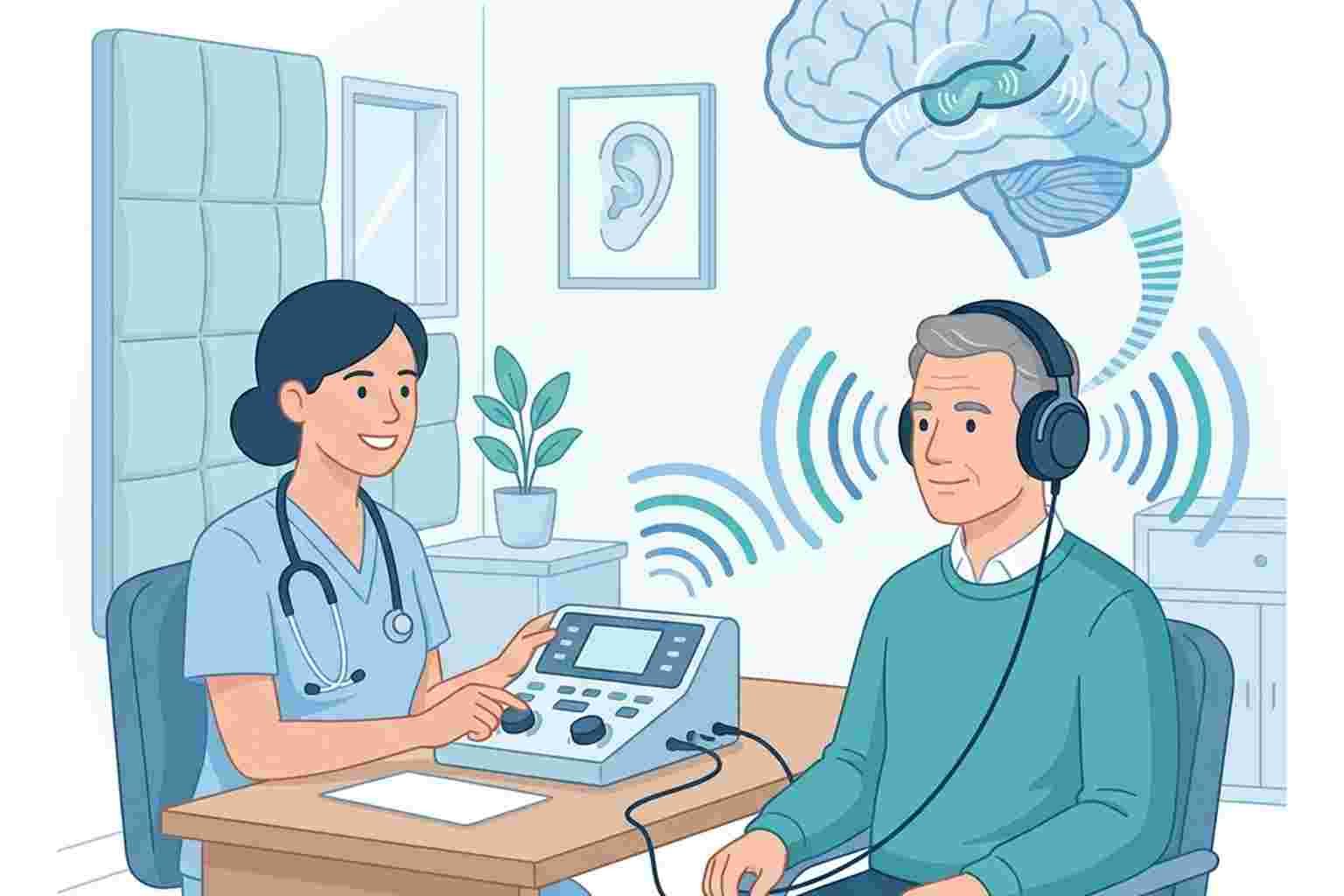
What Helps: Treatment and Coping Strategies
APD is not cured, but dependable, proven strategies bring relief. Auditory training builds listening skills over time, and speech therapy helps the brain decode words more reliably. Simple habits work too:
- Face the speaker and watch their mouth move
- Reduce background noise before important talks
- Ask for key details in writing
- Request repetition without embarrassment
Environment matters too: pick quieter tables, turn off the TV before conversations, and sit close to the speaker. Some people use occupational therapy accommodations at work.
Listening Feel Hard? We Can Help
Our licensed specialists test how your brain processes sound, not just your ears. Schedule a Free Hearing Test.
If a hearing test shows hearing loss alongside APD, modern hearing aids tuned for speech in noise can help. Our experienced team across our locations in FL, IL, and MO builds a reliable, professional plan you can trust.
Frequently Asked Questions
It is a condition where the brain has trouble interpreting sounds the ears hear correctly. Someone with APD can pass a hearing test yet still find speech murky in noise. It is a processing problem, not a volume problem.
There is no single quick screen. An audiologist uses specialized testing, such as speech in noise tasks, and rules out ear problems first.
No. APD affects how the brain handles sound, not intelligence. Someone with APD can be sharp and successful while still needing extra listening support.
Use written notes, sit near the speaker, and get key instructions in writing. Breaking information into smaller chunks makes work far easier.
References
- National Institute on Deafness and Other Communication Disorders - Auditory Processing Disorder (APD)
- American Speech-Language-Hearing Association - Understanding Auditory Processing Disorders in Adults
- Mayo Clinic - Auditory processing disorder: Symptoms and causes
- American Academy of Audiology - Central Auditory Processing Disorder