
Key Takeaways
- There are three main types of hearing loss: sensorineural, conductive, and mixed. A fourth type, auditory neuropathy spectrum disorder, is less common.
- Sensorineural hearing loss comes from damage to the inner ear or auditory nerve and is the most common type in older adults.
- Conductive hearing loss happens when sound cannot pass through the outer or middle ear, often from fluid, wax, or growths.
- Mixed hearing loss combines conductive and sensorineural damage in the same ear.
- Degrees range from mild to profound, measured in decibels on a hearing test.
- A licensed specialist can identify your type with a painless hearing test. Call Ear to Hear at (813) 345-8135 to schedule yours.
How Hearing Works (and Where It Breaks Down)
Hearing loss affects more than 38 million Americans, and the type you have shapes every decision that follows, from the hearing aids that will help you most to the treatment that actually works. At Ear to Hear, our licensed specialists diagnose all of the types of hearing loss every day, and the good news is this: most of them are treatable. Knowing which type you have is the first step toward clear sound again.
The three primary types of hearing loss are sensorineural, conductive, and mixed. There are three types you will hear about most, though some clinicians also recognize a fourth, called auditory neuropathy spectrum disorder. Each one affects a different part of the ear, and each responds to different treatments. Below, we break down exactly how each type works, what causes it, how it feels from day to day, and what a hearing assessment can tell you about your own ears.
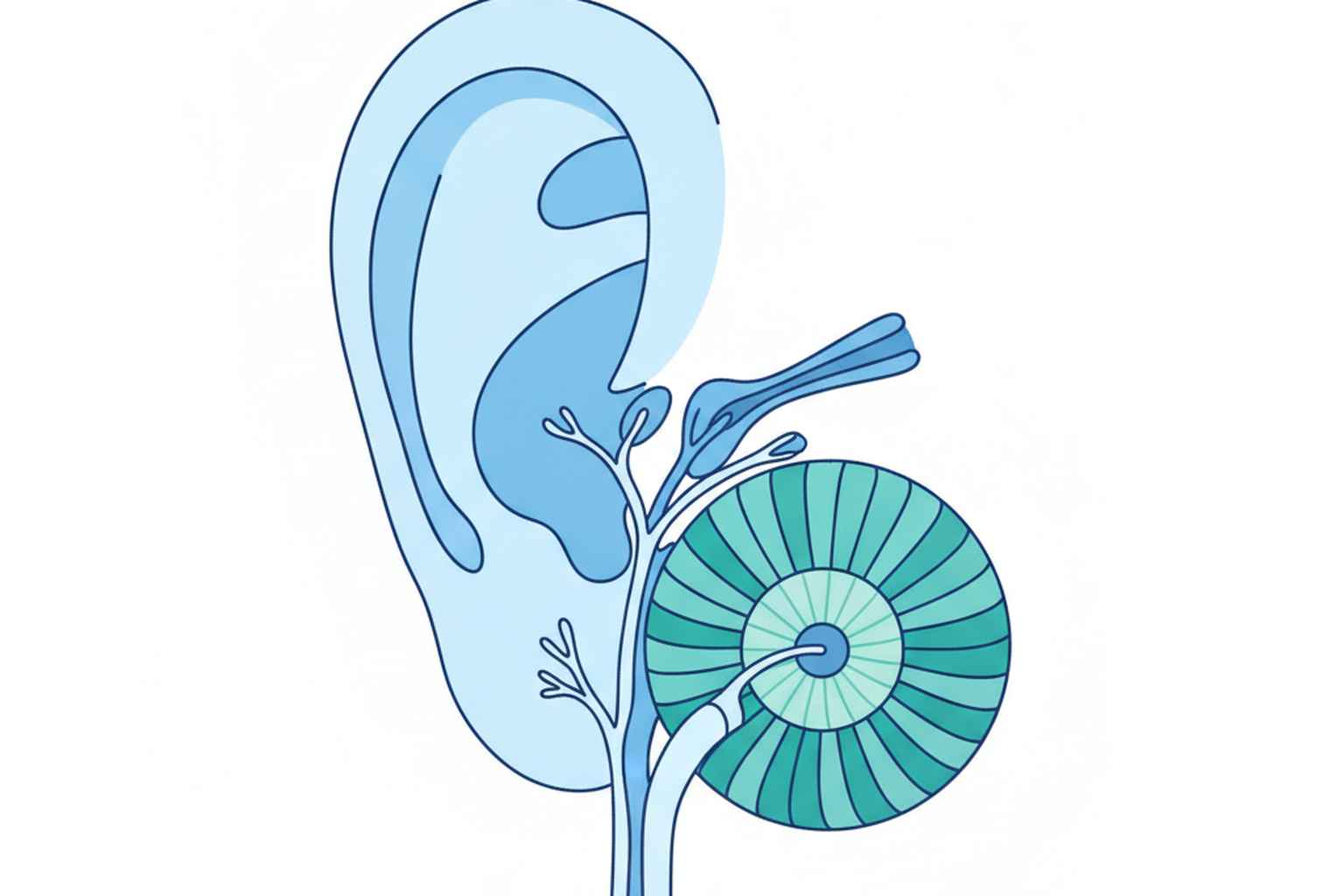
To understand the types, you first need a quick map of the ear. Sound travels three parts: the outer ear funnels it, the middle ear amplifies it, and the inner ear converts it.
The outer ear is the visible part plus the ear canal. The middle ear sits behind the eardrum and holds three tiny bones called ossicles. The inner ear contains the cochlea, a snail-shaped organ lined with thousands of hair cells that turn sound vibrations into electrical signals for the brain.
Hearing loss is named for the part where the problem lives. Damage in the inner ear or along the auditory nerve creates sensorineural loss. Blockage or stiffness in the outer or middle ear creates conductive loss. When both happen in the same ear, that is mixed loss.
Sensorineural Hearing Loss
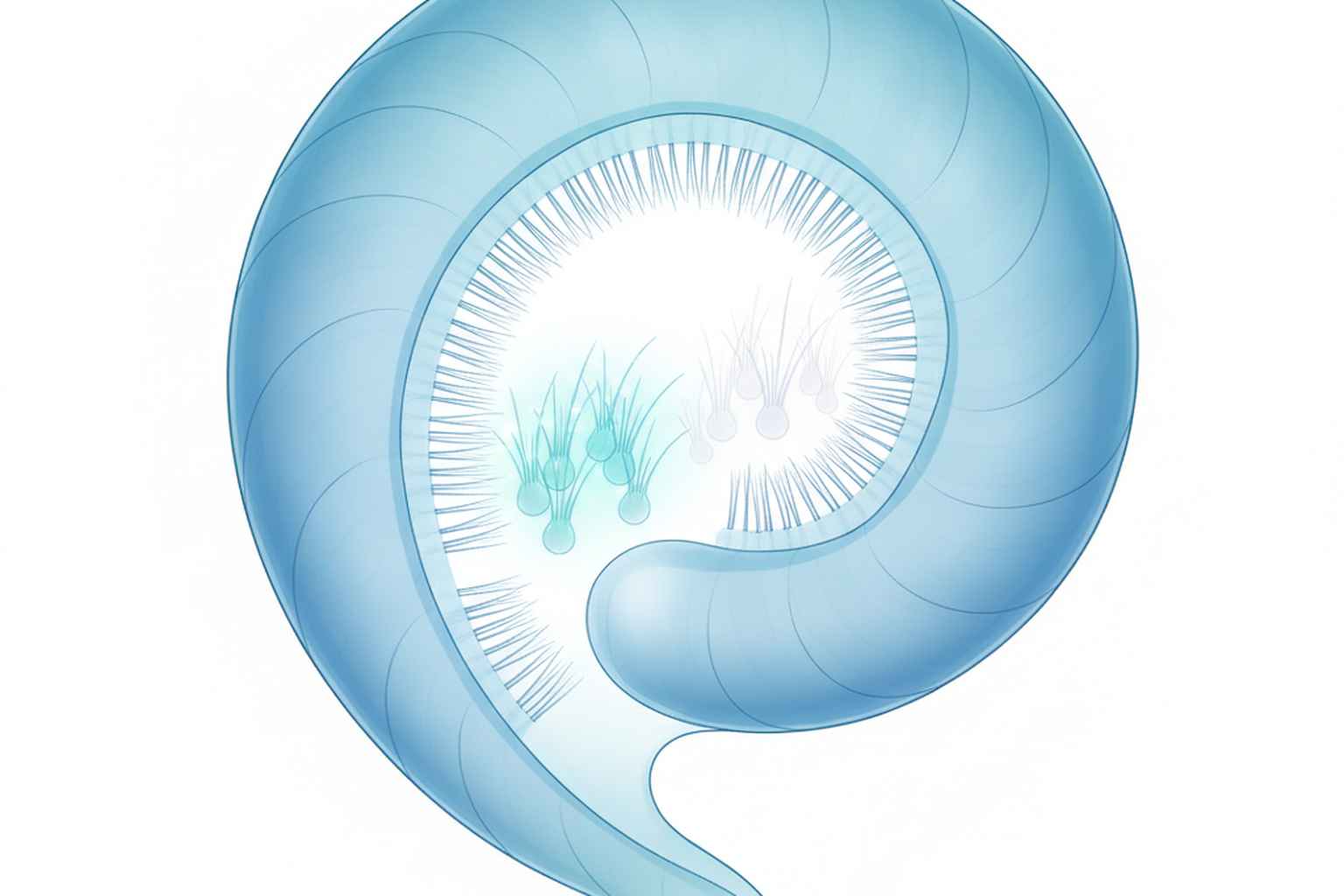
Sensorineural hearing loss is the most common type in adults. It happens when the cochlea's hair cells or the auditory nerve itself are damaged.
Because these hair cells do not regrow, sensorineural loss is usually permanent. But that does not mean nothing can be done. Properly fitted hearing aids restore clarity for most people, and severe cases can benefit from cochlear implants.
Common Causes
- Aging (age-related hearing loss, or presbycusis)
- Noise exposure over years or a single loud blast
- Some medications that are toxic to the ear
- Infections such as mumps or meningitis
- Conditions like otosclerosis or Meniere's disease
One in three adults between 65 and 74 has hearing loss, and the numbers climb with age. Noise damage builds quietly: ears do not hurt the way skin does when it burns, so many people do not notice the early signs until someone close to them points them out.
What It Feels Like
Muffled speech, especially in restaurants. Turning the TV up. Asking people to repeat themselves. Sensorineural loss often steals high frequencies first, so consonants like s, f, and t fade while vowel sounds stay loud enough. That mix makes speech feel loud but unclear.
You can learn more in our guide to sensorineural hearing loss.
Conductive Hearing Loss
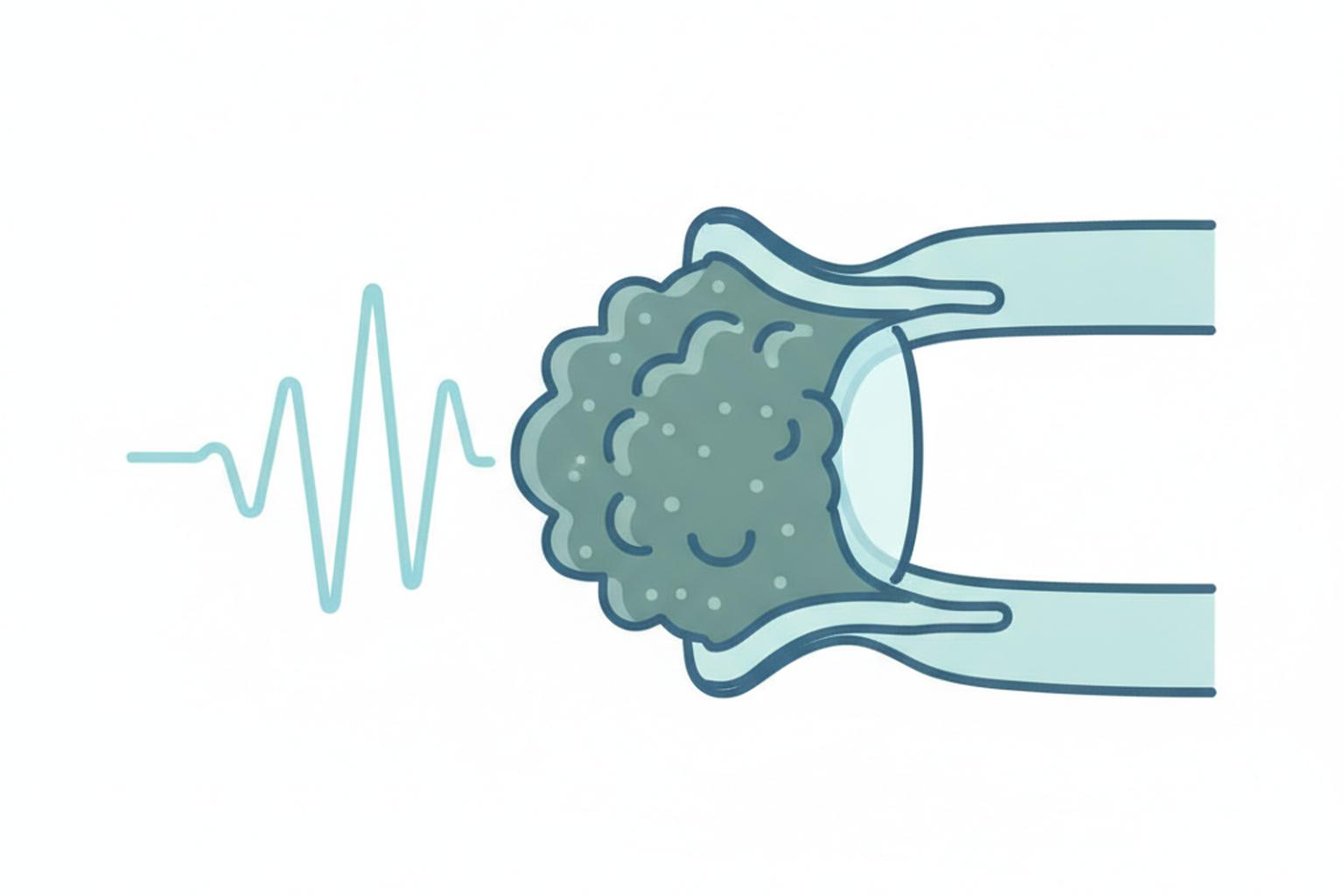
Conductive hearing loss means sound is blocked or dampened on its way to the inner ear. The cochlea itself may be perfectly healthy. The signal simply cannot reach it at full strength.
Conductive hearing is often fixable once the blockage is found and treated, which makes it different from most sensorineural loss.
Common Causes
- Earwax impaction deep in the canal
- Fluid in the middle ear from an infection
- A perforated eardrum
- Eustachian tube dysfunction
- Abnormal bone growth from otosclerosis
- Objects stuck in the ear canal
Many of these causes are treatable. Removing wax, treating an infection, or repairing an eardrum can restore hearing, sometimes overnight. If you notice muffled hearing after a cold, our guide to getting rid of fluid in the ear explains safe steps while you wait for it to drain.
What It Feels Like
Your own voice sounds boomy, like talking inside a barrel. Sounds feel distant and muffled rather than distorted. Many people notice their ear feels full or pressurized, and the problem often stays on one side.
Mixed Hearing Loss
Mixed hearing loss is exactly what it sounds like: conductive and sensorineural damage in the same ear. An ear with age-related wear might also develop a middle ear infection, creating mixed hearing loss on top of an old noise injury.
Treatment works both ends. A specialist treats the conductive component (draining fluid or removing wax) and fits hearing aids for the sensorineural part. Fixing the conductive side often improves how well hearing aids perform, because stronger sound can finally reach the cochlea.
Auditory Neuropathy Spectrum Disorder
Auditory Neuropathy Spectrum Disorder (ANSD) is a rarer type where the inner ear detects sound normally but the auditory nerve sends jumbled timing signals to the brain. Sound arrives, but speech timing falls apart.
ANSD shows up most often in children, though adults can develop it too. Hearing aids help some patients, while others do better with cochlear implants or communication training. It is one reason a professional diagnosis matters more than guessing from symptoms.
Degrees: Mild, Moderate, Severe, and Profound
Type tells you where the problem is. Degree tells you how much hearing is gone. Audiologists measure both on an audiogram.
- Mild (26-40 dB): soft speech and whispers are hard to catch
- Moderate (41-55 dB): normal conversation is difficult without help
- Moderately severe (56-70 dB): conversation is hard even at loud volume
- Severe (71-90 dB): only loud sounds register
- Profound (91+ dB): most sounds are inaudible
Degrees matter for treatment. Mild loss might need only situational hearing aids, while severe loss calls for powerful devices or implant evaluation.
How a Hearing Test Reveals Your Type
A hearing assessment does more than confirm you have loss. It shows where the loss lives. Pure-tone testing maps your thresholds across frequencies. Speech testing checks word clarity at comfortable volume. Tympanometry measures how the eardrum moves, flagging fluid or stiffness.
The bone conduction test is the key that unlocks the diagnosis. A small vibrator behind the ear sends sound directly to the inner ear, skipping the outer and middle ear entirely. If bone scores match air scores, the loss is sensorineural. If bone scores beat air scores, something conductive is in the way.
Our team performs these tests at every hearing test appointment, and results are explained in plain language before you leave the office.

What That Diagnosis Language Means
Reports use precise phrases that sound more alarming than they are. Here is a quick decoder:
- Bilateral means both ears. Unilateral means one ear.
- Mild means thresholds of 26-40 dB, not "no big deal."
- Sensorineural points to the inner ear or nerve.
So "bilateral mild sensorineural hearing loss" simply means both ears have mild loss from inner ear or nerve damage, which is the most common finding in adults over 50. It is treatable, not a rare diagnosis.
Hearing Loss in Children vs Adults
Hearing loss in children follows a different playbook. A child can pass a newborn screen and still lose hearing later from fluid, infections, or genetics. Even mild loss matters more for a child, because language learning depends on catching every sound during critical years.
Adults usually lose hearing gradually. Many wait seven to ten years before seeking a hearing test, often until family frustration forces the issue. The earlier the diagnosis, the easier the adjustment to treatment.
Which Type Cannot Be Treated?
No type of hearing loss is beyond help, but they differ in what help looks like. Sensorineural loss cannot be surgically reversed because hair cells do not regrow, but hearing aids and cochlear implants restore function for the vast majority. Conductive loss is often curable by treating its cause. Mixed loss improves when the conductive part is fixed.
The one scenario that resists treatment is longstanding, untreated loss. Ears deliver sound, but the brain interprets it, and the brain slowly loses the knack for processing speech it stops hearing. Early treatment protects more than your ears. It protects the brain's decoding ability.
Treatment Options by Type
The right fix depends on the type and degree:
- Earwax removal, medication, or surgery for conductive causes
- Standard hearing aids for mild to moderately severe sensorineural loss
- Powerful behind-the-ear hearing aids or cochlear implants for severe to profound loss
- Implants or communication therapy for ANSD
Many devices now double as Bluetooth hearing aids, streaming calls and TV audio straight to your ears.
Our specialists fit every major style, including discreet invisible hearing aids and rechargeable hearing aids, and we match technology to your loss, budget, and daily life rather than pushing one brand.
How Ear to Hear Can Help
Whether your loss is sensorineural, conductive, mixed, or still undiagnosed, the path starts the same way: a complete hearing test. Ear to Hear has 14 offices across Florida, Illinois, and Missouri, and each one offers the same licensed specialists and unhurried appointments.
We verify your type with real measurements, explain your hearing aids options in plain English, and offer hearing care services that follow you long after the fitting. Call us at (813) 345-8135 or Schedule a free hearing test online. Clear sound is closer than you think.
Frequently Asked Questions
The three main types are sensorineural, conductive, and mixed. Two rarer categories complete the list: auditory neuropathy spectrum disorder, where sound detection and nerve timing misfire, and functional hearing loss, where hearing tests show loss that has no physical explanation. Most adults fall into the first three.
You cannot tell from symptoms alone, because muffled hearing overlaps across types. A hearing test with bone conduction measurement shows whether the blockage is in the outer or middle ear (conductive) or the inner ear and nerve (sensorineural). An audiologist reads the pattern within about an hour.
None is untreatable, but sensorineural loss cannot be reversed, because damaged cochlear hair cells do not regrow. Hearing aids and cochlear implants still restore clarity and function for nearly everyone. Conductive loss, by contrast, is often fully curable once its cause is treated.
It means both ears have mild loss (26-40 dB) caused by inner ear or auditory nerve damage rather than a blockage. It is the most common result we see in adults over 50, and properly fitted hearing aids typically restore everyday clarity.
References
- CDC. "Types of Hearing Loss." Centers for Disease Control and Prevention.
- Johns Hopkins Medicine. "Types of Hearing Loss."
- NCOA. "Types of Hearing Loss." National Council on the Aging.
- MED-EL. "Types of Hearing Loss."
- Cleveland Clinic. "Hearing Loss: Symptoms, Causes, and Treatment."
- ASHA. "Type, Degree, and Configuration of Hearing Loss." American Speech-Language-Hearing Association.
Ready to find out which type you have? Schedule a free hearing test or call us at (813) 345-8135.