
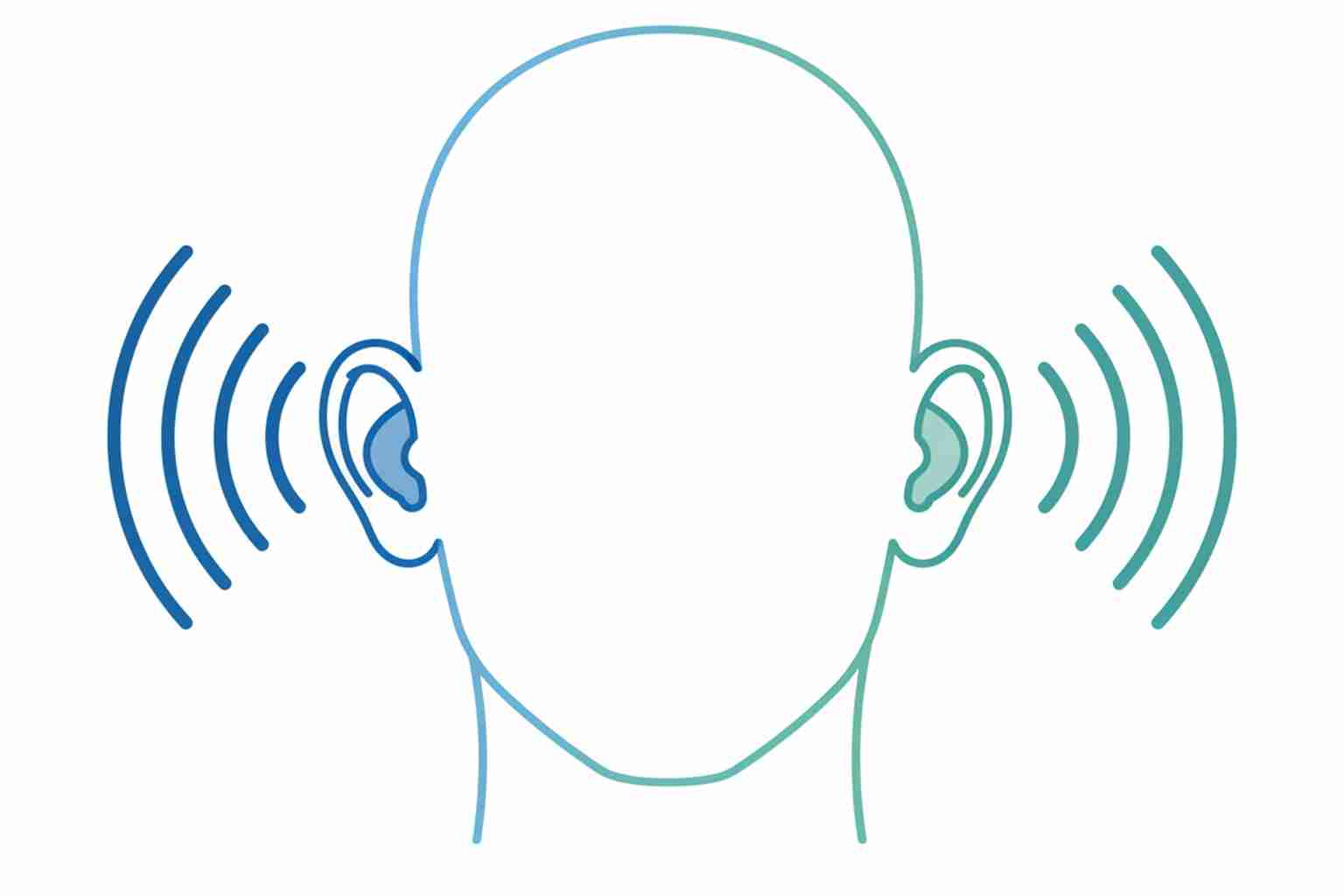
Hearing loss in one ear is hard enough. When both ears start to fade, daily life grows harder. At Ear to Hear, our team helps adults and children understand bilateral hearing loss in plain English, and we walk with each patient from first test to first fitting.
We wrote this guide for anyone worried about hearing loss in both ears. You will learn what causes it, how we find it, and which proven treatments bring relief.
Key Takeaways
- Bilateral hearing loss affects both ears, including how you understand speech, not just how loudly you hear.
- The most common types are sensorineural loss, conductive hearing problems, and mixed loss.
- Age, loud noise, illness, and some medicines are leading causes for adults and children.
- A hearing test with pure-tone testing and an audiogram shows the pattern of loss in each ear.
- Two hearing aids often bring better binaural hearing and clearer speech than one device alone.
- Early testing and treatment protect brain health and quality of life.
What Is Bilateral Hearing Loss?
Bilateral hearing loss is hearing loss that affects both ears. Both lose some capacity to pick up sound. The loss can be mild, moderate, severe, or profound, and the two ears may not match.
For most people, the biggest challenge is not volume. It is understanding. Words may sound too fast in noisy rooms, because the brain struggles to separate speech from background sound. A hearing test is the first step toward clarity.
How Bilateral Hearing Loss Differs From Unilateral Hearing Loss
Unilateral hearing loss affects only one ear, while bilateral loss affects both. With unilateral loss, people turn the good ear toward the speaker. With bilateral loss, that trick stops working because neither ear offers a full signal.
The difference also shows up in direction. With two working ears, the brain compares both sides and perceives where sound comes from. When both ears weaken, that map fades, and loud restaurants become draining.
Bilateral Hearing Loss vs Hearing Impairment: Understanding the Terms
Hearing impairment is a broader medical term that covers any degree of hearing difficulty. Bilateral hearing loss is more specific: it tells you the loss sits in both ears. Some clinical reports use terms like mild bilateral for loss present in both ears but not severe.
Common Signs of Hearing Loss in Both Ears
The signs usually arrive slowly, which is why many adults wait years. Watch for these patterns:
- Asking people to repeat themselves, especially on the phone.
- Feeling that everyone mumbles, in both ears at once.
- Turning the television volume higher than others prefer.
- Trouble following speech in restaurants or gatherings.
- Ringing or buzzing in the ears, called tinnitus.
- Growing tired after conversations.
If several sound familiar, a hearing test gives clear answers.
Types of Bilateral Hearing Loss
Sensorineural Loss in Both Ears
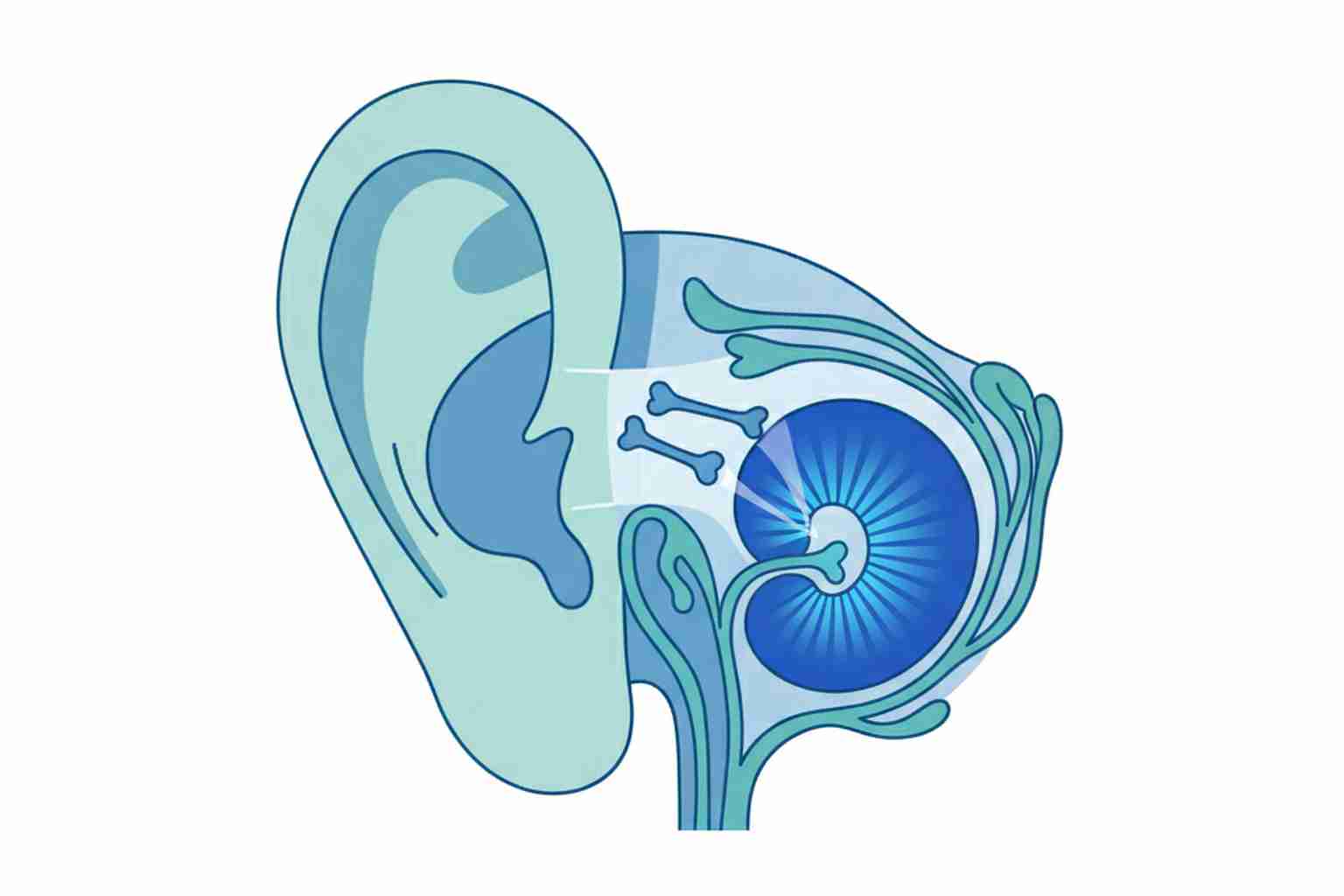
Sensorineural loss is the most common type in adults. It happens when tiny hair cells in the inner ear or the hearing nerve become damaged. Those cells do not grow back, so the loss is usually permanent, but it responds well to amplification once its presence is confirmed.
Conductive Hearing Loss on Both Sides
Conductive hearing loss happens when sound cannot travel through the outer or middle ear. Fluid, infection, earwax, or stiff bones can block the pathway. This type often improves with medical treatment, making it one of the most hopeful diagnoses we see.
Mixed Hearing Loss
Mixed hearing loss means both problems are present at once: inner ear damage plus a blockage. Our audiologist will identify each part, because one piece may need medical care and the other may need hearing devices.
Causes of Bilateral Hearing Loss
Both ears usually share the same exposures and risks, so loss often develops on both sides at once. Causes include:
- Aging, which gradually wears down the inner ear.
- Repeated noise exposure from work, tools, or loud music.
- Illnesses such as measles, meningitis, or diabetes.
- Medicines that carry hearing risk.
- Ear infections and fluid in the middle ear.
- Head injury or inherited risk.
How Aging Affects Hearing in Both Ears
Age-related loss, called presbycusis, is the leading cause of hearing loss in adults. It shows up as bilateral high-frequency hearing loss: both ears lose the soft high pitches first, and the consonants that make speech clear fade first.
Because it develops over years, many patients adapt without noticing. We recommend a baseline test around age 50 and regular checks after, so changes are caught early.
Sudden Hearing Loss: When Both Ears Are Affected
Sudden hearing loss is a medical emergency. If your hearing drops quickly in one or both ears, over hours or a few days, see a specialist right away. Fast treatment gives the best chance of recovery.
Do not wait to see if it clears. Call a licensed specialist the same day, even if only one ear seems affected.
Risk Factors for Adults and Children
For adults, the biggest risks are age, noise, smoking, and diabetes. Farmers and veterans face higher rates of noise loss.
For children, leading causes are genetics, infections during pregnancy, premature birth, and repeated ear infections. Finding loss early supports speech development.
How Bilateral Hearing Loss Affects Daily Life
Patients with loss in both ears often pull back from friends, and that isolation can lead to frustration or even symptoms of depression. The strain is real, but so is the relief that comes with treatment. Patients who address bilateral loss tell us they feel reconnected to the people and sounds around them.
The Connection Between Hearing Loss and Brain Health
Evidence keeps growing that untreated hearing loss affects the brain, not just the ears. A well-known Johns Hopkins study found older adults with hearing loss developed cognitive problems at a higher rate than peers with normal hearing.
Researchers believe the brain works overtime to decode degraded speech, using capacity it would otherwise spend on memory and thinking. A landmark 2023 clinical study reported that hearing aids slowed cognitive decline by nearly half among older adults at higher risk. That is a proven reason not to wait.
How a Hearing Test Reveals Bilateral Loss
The test is painless and takes about an hour. In pure-tone testing, you wear headphones and raise your hand each time you hear a beep, in each ear, across a range of pitches. The results are charted on an audiogram, which shows the degree of loss in each ear.
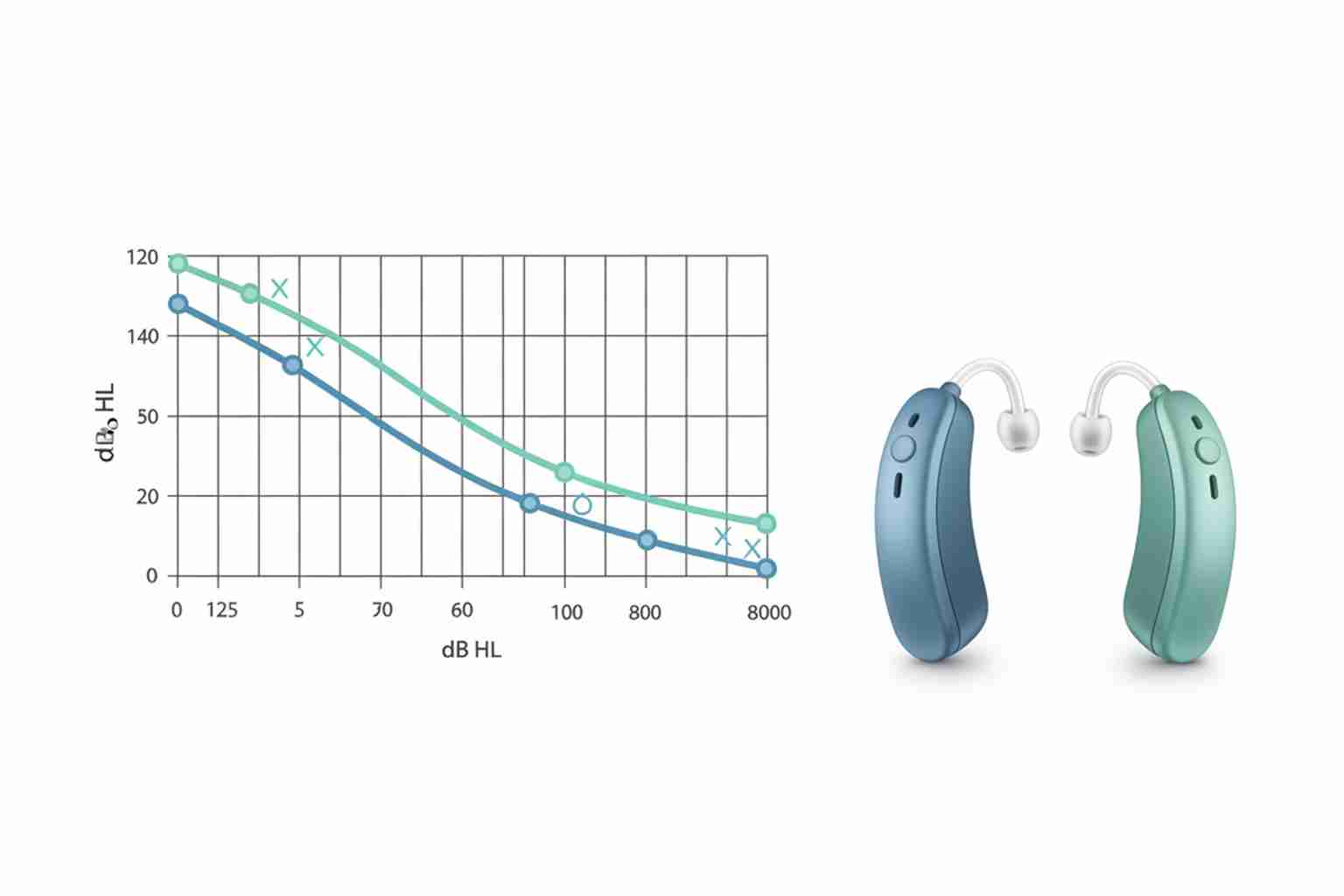
The audiogram makes bilateral loss visible, often with matching patterns on both sides. Our audiologist will explain the results in plain English.
Treatment Options: Hearing Devices and Bilateral Amplification
For sensorineural and mixed loss, hearing devices are the proven, dependable answer. Modern hearing aids are small and comfortable. They separate speech from noise, connect to phones and televisions, and adjust automatically.
For conductive problems medicine cannot fully fix, bone conduction devices may join the plan. Every treatment we recommend is backed by clinical evidence, and our fitting process is safe and professional.
Binaural Hearing: Why Two Hearing Aids Beat One
When both ears have loss, two hearing aids usually beat one. Binaural hearing means the brain uses both ears to find the direction of sound and lift speech out of noise.
Research on outcomes shows the benefits of bilateral amplification: better speech understanding in noisy places, more natural sound quality, and less effort. Our experienced team fits both ears to one prescription so they work as a pair. To keep devices at their best, see our hearing aid repair team or browse the latest models.
Living Well With Bilateral Hearing Loss
Adapting well takes technology and simple habits. Face the speaker, because seeing a face helps the brain fill in sound. Choose quieter tables, ask for written details, and tell family how to help.
Our team provides counseling, device training, and follow-up care at every one of our locations. Learn more in our types of hearing loss guide or schedule an appointment with our local audiologist. More guides live on our Hearing Loss Blog.
Living with bilateral hearing loss does not mean living with strain. With proven treatments and a trusted team behind you, you can keep hearing the world clearly for years to come.
Ready to Hear Better in Both Ears?
A hearing evaluation from our licensed team gives you clear answers about both ears and a treatment plan built on proven evidence. Schedule your hearing test today.
Bilateral Hearing Loss Questions Answered
Severe to profound bilateral loss can qualify as a disability under official guidelines. Mild cases generally do not, though any hearing loss that affects daily life deserves care.
Some conductive losses caused by fluid, wax, or infection can be corrected with medical treatment. Sensorineural loss from inner ear damage is usually permanent, but hearing aids restore clear communication.
In most cases, yes. Two devices support binaural hearing, better speech understanding in noise, and a clearer sense of direction. We will confirm this at your test.
It depends on the type and cause. Conductive loss often improves with medical care, while sensorineural loss is permanent but very treatable. A professional test is the reliable way to know which kind you have.
References
- NIDCD: Age-Related Hearing Loss - presbycusis causes and patterns.
- NIDCD: Quick Statistics About Hearing - hearing loss prevalence in adults and children.
- Johns Hopkins Medicine: Hearing Loss - research on hearing loss and cognitive decline.
- ACHIEVE Study, Johns Hopkins Bloomberg School of Public Health, 2023 - hearing intervention and cognitive decline.
- CDC: Hearing Loss in Children - causes and early detection in children.
- WHO: Deafness and Hearing Loss - global overview of hearing loss.