
Key Takeaways
- Costco sells major-brand hearing aids, typically priced from about $1,499 to $1,699 per pair.
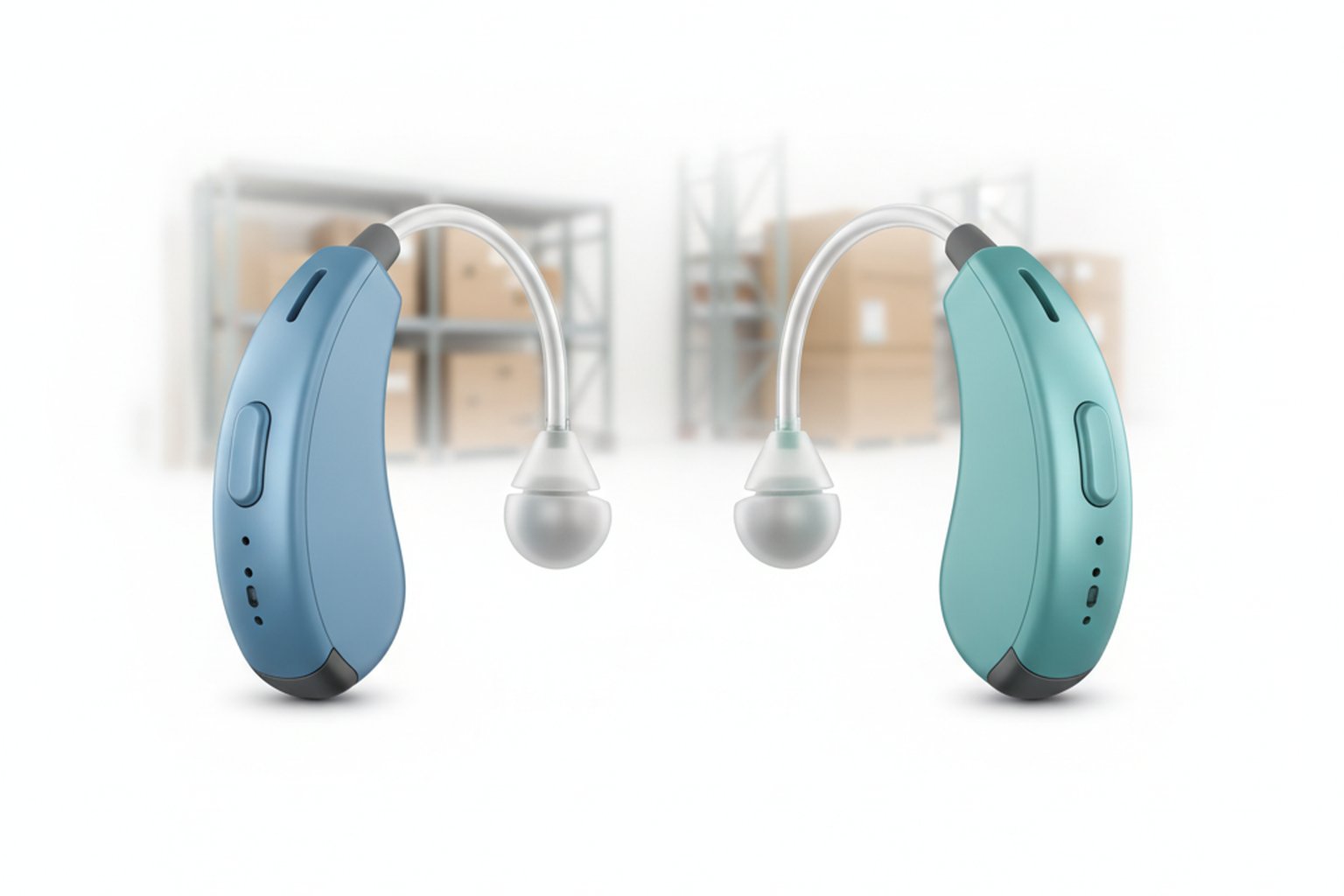
- Current brands include Jabra Enhance Pro 30, Rexton Reach, Philips HearLink 9050, and Sennheiser Sonite R.
- A Costco membership is required to buy, starting at $60 per year.
- Every purchase includes a free hearing test, fitting, unlimited follow-up visits, and a 180-day return window.
- Costco does not bill insurance, though it does accept HSA and FSA payment.
- Complex, asymmetric, or progressive hearing loss, or bothersome tinnitus, calls for a licensed specialist rather than a warehouse fitting.
Costco hearing aids rank among the most talked about value options in the country, and our team at Ear to Hear gets asked about them every week. A Costco membership buys major-brand hearing aids at deeply discounted prices, with free tests and follow-ups built into the deal. That value is real, and this review gives it a fair shake.
Price is only one part of a hearing aid purchase. Fitting quality, programming precision, follow-up care, and the type of hearing loss you have all shape how well you hear in daily life. Our licensed specialists wrote this review so you can weigh the deal against the care before you spend a dollar.
How the Costco Hearing Aid Center Works
Costco runs hearing aid centers inside selected warehouse stores across the United States. Each center is staffed by state-licensed hearing aid dispensers, and some locations employ audiologists as well. You book an appointment, take a hearing test in a sound booth, and shop from a small catalog of hearing aid brands.
The model is simple. Costco negotiates bulk pricing with a handful of manufacturers and passes the savings along to members. The catalog rotates over time, so the model you read about online may not be stocked at your local store. Call your local hearing center before you shop to confirm current models and prices.
The experience feels more retail than medical. You sit near the pharmacy, not in a dedicated clinic, and the visit moves at store pace rather than clinic pace. For many adults with mild to moderate hearing loss, that trade works fine. For people with complicated ear histories, the setup can feel rushed.
The scale is worth noting. Costco is one of the largest hearing aid retailers in the country by volume, which gives it leverage no independent practice can match. That leverage is the secret behind the price tags, and it explains why the catalog stays small. Volume buys discounts, and discounts come with a fixed menu.
Appointments run weekdays during store hours, with some Saturday slots at busier locations. Popular centers book out one to two weeks ahead, and holiday seasons stretch waits further. Walk-in tests happen occasionally at quiet stores, but planning on a call ahead is the safer bet. If your schedule only allows evenings, confirm the last available slot before you count on the model working for you.
Costco Hearing Aid Prices and What You Pay
Most Costco hearing aids sell as bundled pairs, with the devices, fitting, and follow-up care included in one price. Current models typically run $1,499 to $1,699 per pair, though prices shift as models rotate. A $60 Gold Star membership is required to buy, and the $120 executive tier adds rewards on purchases.
Bundling is where Costco wins on paper. A private practice often prices devices and services separately, or bundles them at a higher service level. Costco keeps one flat price and includes unlimited free follow-ups, which makes lifetime costs predictable. For a straightforward fitting, the sticker price is close to the real price.
Watch for the add-ons. Batteries, wax guards, domes, and cleaning tools are usually sold separately or in bulk packs. Loss and damage replacements beyond the warranty period carry repair or replacement fees. Over five to seven years of ownership, those small costs can add a few hundred dollars to the total.
Pricing also moves with the product cycle. New platform releases typically hold the top of the range, while outgoing models clear at reduced prices during transitions. Shoppers who track the catalog for a few months sometimes catch the same hardware for $100 to $200 less than launch pricing. The trade is waiting on stock, since discontinued models vanish quickly once a replacement lands.
Compare the bundle against what you give up. The flat price includes fitting and follow-ups, but it does not include medical evaluation, tinnitus programs, loaner devices during repairs, or home visits. If you would use none of those, the bundle is a bargain. If you would use several, the discount shrinks.
Costco Hearing Aid Brands and Models
Costco does not sell every major brand. The current lineup comes from four manufacturers, and each device is a rebranded or adapted version of a flagship platform. All four makers rank among the largest hearing aid manufacturers in the world, so the hardware itself is proven technology.
Jabra Enhance Pro 30
The Jabra Enhance Pro 30 is adapted from GN's flagship platform and typically sells near the top of the Costco range at about $1,699 per pair. It offers strong speech clarity in noise, Bluetooth streaming, and rechargeable lithium-ion batteries. It suits adults who want a full-featured device without premium clinic pricing.
Rexton Reach
Rexton Reach models are built by WS Audiology, the same company behind Signia devices. The rechargeable R-Li T version usually lands around $1,599 per pair and is often called the best value in the Costco catalog. Reviewers consistently praise its feedback control and battery life for the price.
Philips HearLink 9050
The Philips HearLink 9050 comes from Demant, the manufacturer behind Oticon. It typically sells for about $1,599 per pair. It leans on the same sound processing family as premium Oticon devices, which makes it a dependable mid-range pick with reliable sound quality in noise.
Sennheiser Sonite R
The Sennheiser Sonite R is produced under license by Sonova and appears at select locations, often near $1,599 per pair. It is a comfortable receiver-in-the-canal hearing aid with hands-free calling for compatible phones. Stock varies more than the other three brands, so availability depends on your store.
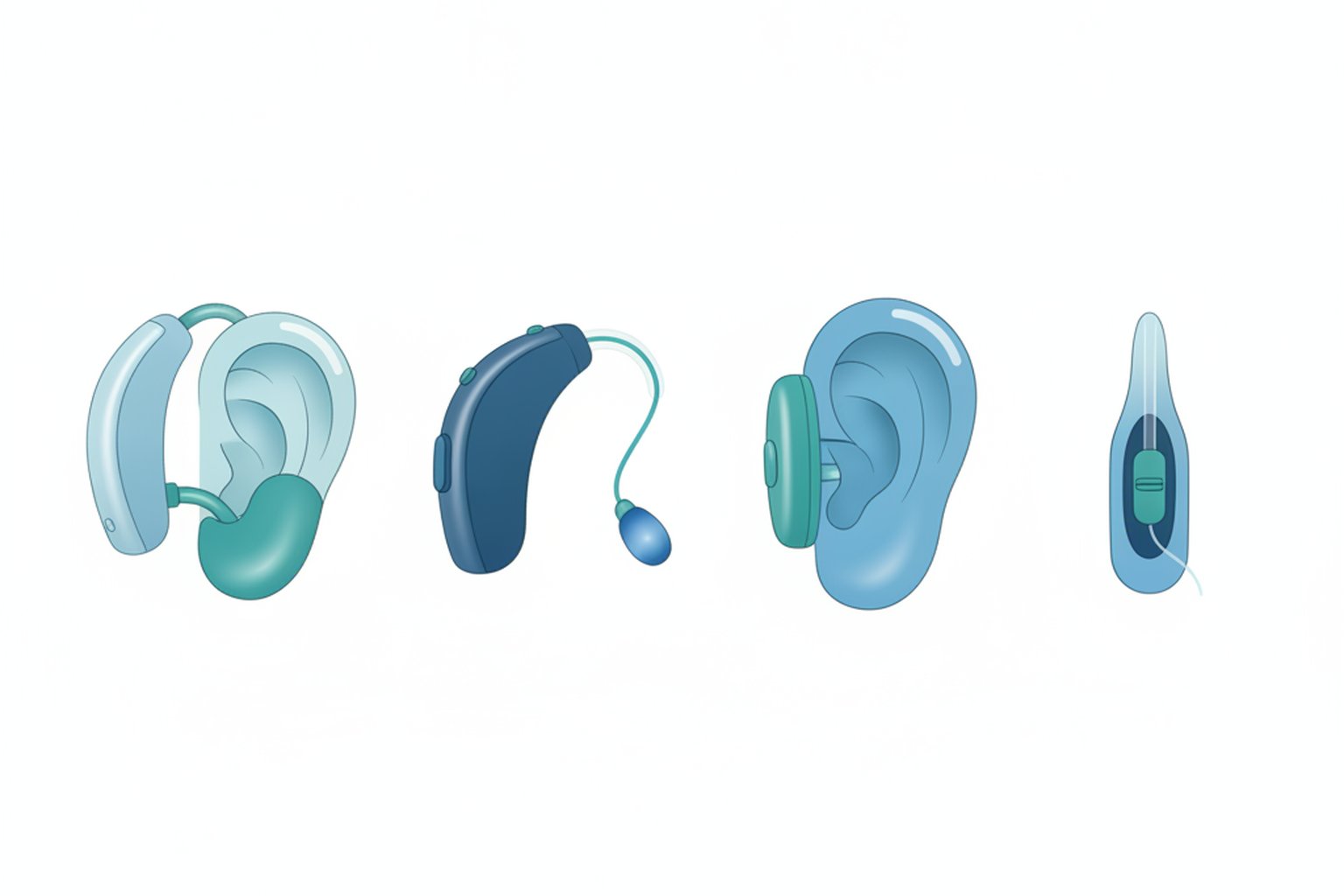
Most Costco devices ship as receiver-in-the-canal or behind the ear hearing aids. Nearly all current models are rechargeable hearing aids, and most support streaming as Bluetooth hearing aids. If you want a specific style, such as a tiny in-the-ear model, call ahead because the catalog favors behind-the-ear formats.
One notable absence is the Kirkland Signature house brand. Older Kirkland models were popular, built by major manufacturers at even lower prices, but the line has not carried a current flagship in recent cycles. Shoppers who remember the Kirkland days should check the live catalog instead of relying on older reviews.
Here is how the current Costco lineup compares at a glance:
| Model | Typical Price (Pair) | Manufacturer | Standout Strength |
|---|---|---|---|
| Jabra Enhance Pro 30 | $1,699 | GN | Speech clarity in noise |
| Rexton Reach R-Li T | $1,599 | WS Audiology | Battery life and value |
| Philips HearLink 9050 | $1,599 | Demant | Reliable sound processing |
| Sennheiser Sonite R | $1,599 | Sonova (license) | Hands-free calling |
Prices and stock vary by location, so treat the table as a planning guide rather than a quote. Ask your local center which models it stocks before you set your heart on one device.
The Costco Hearing Test and Fitting Process
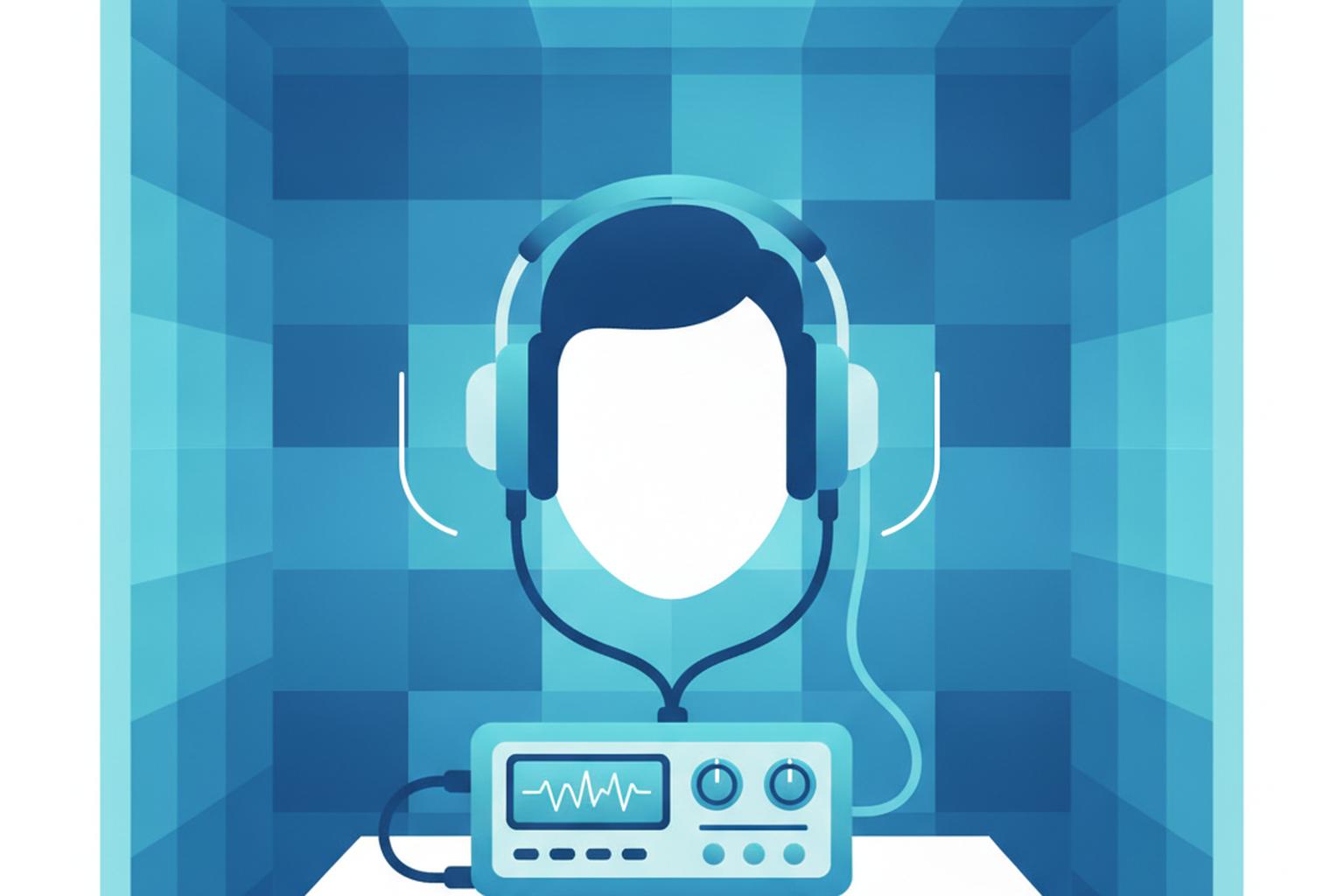
Your first visit includes a case history, a visual ear check, and a hearing test in a booth. The test measures how softly you hear tones at each pitch and how clearly you understand speech. Results print as an audiogram, which drives the programming of your devices.
Fitting quality varies by store and by fitter. Costco trains its hearing center staff on its own protocols, and follow-up adjustments are free. That is a genuine strength worth crediting. What you may not get is verification with real ear measurement, where a tiny probe microphone confirms exactly what reaches your eardrum.
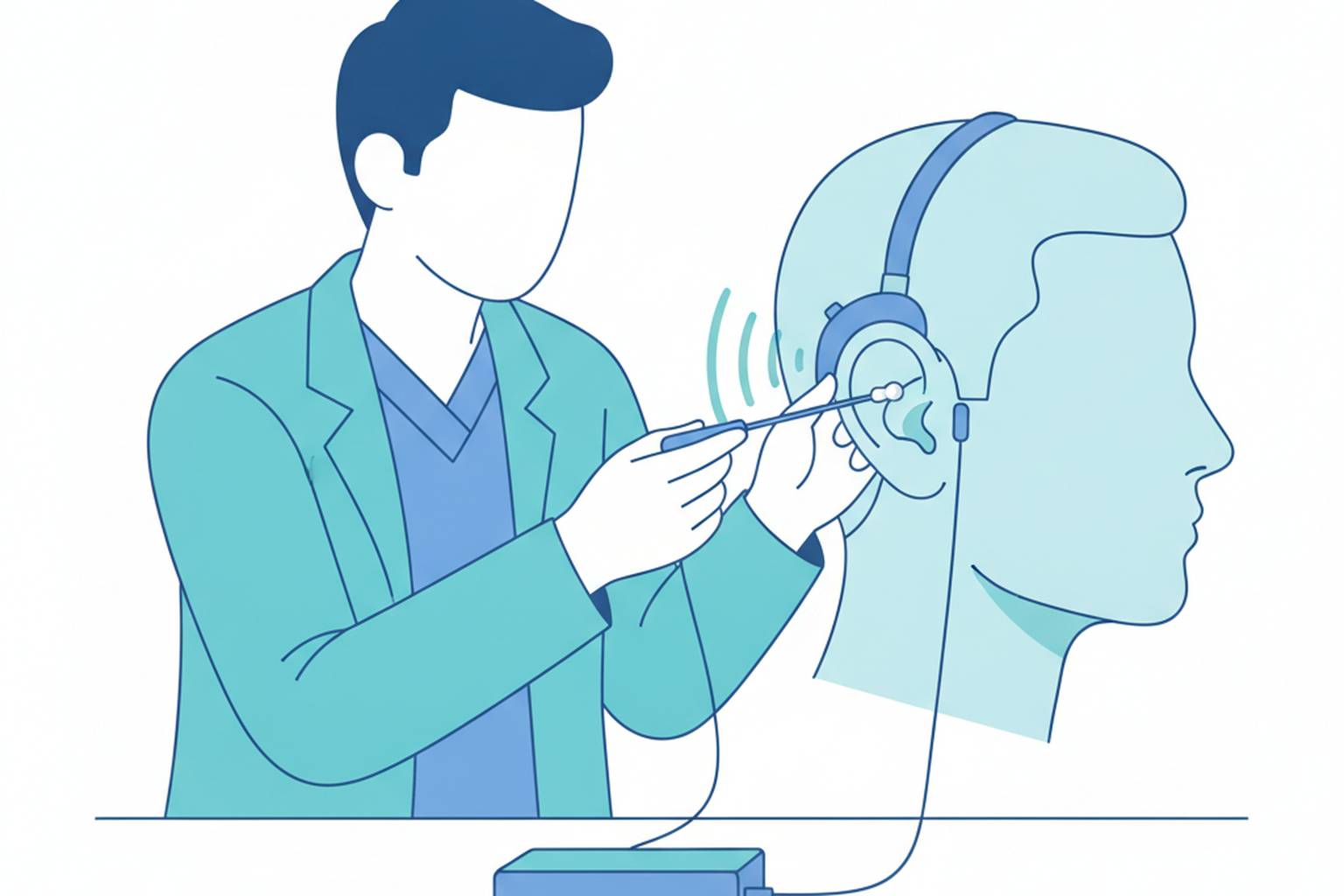
Programming by first-fit software alone often misses the target. Research consistently shows that devices verified with real ear measurement land closer to prescription targets than devices programmed by estimate. Some Costco centers perform this step and some skip it, so ask directly whether your fitting will be verified with probe microphone measures.
The fitting appointment also moves quickly. Store scheduling leaves less time for counseling, communication strategy, and expectations setting than a full clinic visit allows. None of that shows up on an invoice, but it shapes how well you adapt to new devices during the first ninety days.
Hearing aid adaptation deserves more respect than a rushed slot allows. New amplification floods the brain with sounds it has not processed in years, and the first weeks can feel overwhelming. Restaurant clatter, refrigerator hums, and your own voice all sound strange at first. Normal adaptation counseling walks you through a wearing schedule, explains which sounds fade with time, and adjusts devices when the overwhelm does not settle. That hour of education often matters more than the hardware itself.
A useful middle path exists. Get your full evaluation and audiogram from a licensed specialist, then shop any retailer with real data in hand. Some patients buy at Costco and return to a specialist for verification and fine-tuning once the trial period ends. That hybrid keeps the warehouse price and recovers most of the clinic precision.
Warranty, Returns, and Follow-Up Care
Costco stacks three protections on every hearing aid purchase. First, a 180-day return window lets you return the devices for a refund, one of the longest trial periods in the industry. Second, a loss and damage warranty covers replacements, typically for two years, with fees after the first claim. Third, unlimited free follow-up visits cover cleanings, fine tuning, and retests.
Read the fine print before you rely on the return window. Refund handling can vary by model, and returned devices must be in the condition your center specifies. Loss claims usually cap at one or two per device, and once the warranty expires, replacement costs fall on you.
Follow-up visits happen in the store, during business hours, by appointment. If your local center books out two weeks, you can wait that long for an adjustment that takes fifteen minutes. There is no telecare program to speak of, and nobody comes to you.
Repairs add another wrinkle. Many repairs ship to regional labs by mail, which can leave you without your devices for days at a time. Ask your center about turnaround times before you buy, because loaner devices are rarely part of the warehouse package.
Pros of Buying Hearing Aids at Costco
- Major-brand hardware at roughly half the price of premium clinic lines.
- Free hearing tests with no purchase obligation.
- Unlimited free follow-up visits, cleanings, and adjustments.
- A 180-day return window that removes most buyer risk.
- Bundled pricing that is easy to understand and easy to budget.
- HSA and FSA payment options for tax-advantaged spending.
The value case is strongest for straightforward mild to moderate hearing loss. You get proven hardware, real professional support, and a long safety net for a flat price. For budget-focused adults, that package is genuinely hard to beat anywhere else in the market.
The return policy deserves special credit. Most private practices offer 30 to 60 day trials, and OTC brands typically allow 45 to 100 days. A 180-day window covers the full adaptation curve, including the frustrating middle weeks when devices still feel strange. Few retailers in any category match that kind of buyer protection.
Cons and Common Complaints
Common complaints about Costco hearing aids cluster around service and selection rather than the devices themselves. The gripes we hear most often from patients who started at Costco include:
- Long appointment waits and limited evening or weekend hours.
- A small brand catalog that excludes Phonak, Oticon, Starkey, and Widex flagship lines.
- Models that trail the newest releases, often by a product cycle or two.
- Inconsistent fitting quality that depends on the individual dispenser.
- No insurance billing, which shifts paperwork and reimbursement to you.
- Limited options for severe, profound, or asymmetric hearing loss.
Service is the dividing line. If your nearest warehouse is far away, or your hearing needs change over time, the in-store-only model loses its shine. Convenience that looks strong on purchase day can wear thin across five years of ownership.
The complaints pattern mirrors the price pattern. Where Costco concentrates value in hardware, it thins everything around the hardware. Patients who love their Costco devices almost always live near the store and have simple fittings. Patients who leave frustrated almost always ran into one of the service walls: a long wait for an adjustment, a discontinued model, or a fitting that never got verified.
Costco vs a Licensed Audiologist or Specialist
A warehouse fitting and a clinic fitting differ in depth, not just price. Our licensed specialists spend the first visit mapping the full shape of your hearing: the audiogram, speech understanding in noise, loudness comfort, ear anatomy, and your daily listening demands. That context drives everything that follows.
Private practices carry every major brand, so the device is matched to your loss instead of to a catalog. Programming goes through verification, and fine-tuning continues across return visits in most practices, including ours. Tinnitus management, wax care, and medical referrals happen in the same chair, during one continuous relationship.
The service gap shows up in year three, not day one. Hearing changes gradually, and a fitting that worked at purchase can drift as your audiogram moves. Practices that retest annually catch the drift and reprogram early. Retail models tend to adjust only when you notice a problem and book a visit, which means months of straining in between.
Costco wins on price per pair. A clinic wins on precision, range of options, and continuity of care for complex needs. If your loss is straightforward and your budget is tight, Costco is a safe choice. If your loss is unusual, progressive, or paired with tinnitus, a specialist earns their fee.
Who Costco Hearing Aids Work Best For
Costco hearing aids make the most sense for a specific listener profile. You are a strong candidate if you have mild to moderate, symmetric hearing loss, live near a warehouse, and want the lowest total cost with in-person support. Adults who tolerate behind-the-ear styles and want proven hardware fit that profile well.
You also need patience for the process. Expect to book appointments ahead, shop during store hours, and handle insurance paperwork yourself. If those tradeoffs feel minor next to the savings, the model works.
Budget-focused first-time buyers benefit most. The long return window lets you test the whole experience for months before committing, which lowers the stakes of a first hearing aid purchase considerably. Retirees near a busy warehouse tend to be the happiest long-term members of the model.
When You Need More Than a Warehouse Fitting
Some hearing findings call for a specialist or a physician rather than a retail fitting. Sudden hearing loss is a medical emergency that needs evaluation within days, not weeks. Fluid behind the eardrum, infection, drainage, pain, or a retracted eardrum each change the treatment path; our guide on how to get rid of fluid in your ear covers the fluid case in detail.
Severe to profound loss needs amplification headroom and careful verification. Asymmetric loss, where one ear is much worse than the other, needs imaging or a medical referral to rule out inner ear disease. Tinnitus that disrupts sleep or concentration often needs dedicated sound therapy and counseling beyond a standard fitting.
If any of those describe you, call our team at (813) 345-8135 before you buy. A short conversation can steer you away from a purchase that would need redoing later, and toward the right level of care the first time.
Not Sure Costco Is Right for Your Hearing?
Our licensed specialists give you a full hearing evaluation, real ear measurement verification, and every major brand. Call (813) 345-8135 or schedule a free hearing test.
Costco vs Over-the-Counter Hearing Aids
Over-the-counter hearing aids opened a third path for adults with perceived mild to moderate loss. OTC devices sell from roughly $99 to $1,000 per pair online and in drugstores, with no test, no fitting, and no membership required. The FDA created the OTC category in 2022 for adults with perceived mild to moderate loss.
OTC wins on price and convenience. You fit the device yourself with an app, and you can return it by mail if it does not work out. Costco wins on professional involvement: a real test, a real fitting, and in-person follow-ups, all included in that bundled price.
A quality gap separates the categories too. The current Costco catalog carries flagship-platform hardware from top-tier manufacturers, while many OTC devices use simpler sound processing and fewer channels. That gap narrows every year, and premium OTC lines now approach entry-level prescription sound. Where OTC still lags is power and headroom: severe loss, and anything beyond mild to moderate amplification, remains outside the category's reach.
What both paths share is the missing medical layer. Neither includes diagnostic evaluation, and neither verifies what actually reaches your eardrum. If you want self-serve pricing with clinic-grade verification, ask a practice about entry-level device tiers instead of defaulting to a mail-order device.
How Costco Compares on Price to Private Practices
Private practice hearing aids typically cost $2,000 to $4,000 per pair bundled with services, and premium lines can run higher. Next to those numbers, Costco's $1,499 to $1,699 pairs look dramatic. The honest comparison has to include the service layer.
A bundled clinic price usually covers verification, unlimited fine-tuning, tinnitus support, wax care, and loaner devices during repairs. Across five to seven years, those services carry real value, especially if your loss progresses. A lower sticker price with thinner service can cost more in outcomes, even when the invoice looks smaller.
Run the five-year math before you commit. Costco at $1,699 plus $60 membership and roughly $200 in consumables lands near $1,960 over five years, assuming no loss or damage claims. A clinic bundle at $3,500 includes services that would otherwise bill separately, but assumes you use them. The numbers only decide the winner after you honestly weigh how much follow-up care you expect to need.
Medicare enrollees should compare carefully. Some Medicare Advantage plans carry hearing benefits that only work with in-network providers, which can narrow the gap between a clinic and a warehouse. Ask both your plan and your local hearing center what applies before you decide anything.
Medicare, Insurance, and Payment Options
Medicare and Costco Coverage Rules
Original Medicare does not cover hearing aids or hearing aid fitting exams, at Costco or anywhere else. Medicare Advantage plans differ; many include an allowance toward devices through in-network providers. Costco does not bill Medicare or commercial insurance, so any plan benefit would require you to pay upfront and seek reimbursement on your own.
Commercial insurance sometimes covers part of a hearing aid purchase, but again, Costco leaves the paperwork to you. HSA and FSA cards are accepted at hearing centers, which lets pre-tax dollars cover the full bundle.
Ask three questions before you buy: does my plan include a hearing benefit, does it require an in-network provider, and what documentation does it need for reimbursement? The answers decide whether the warehouse price stays a bargain after your claim is filed.
Tips for Getting the Most From Costco Hearing Aids
- Bring your audiogram from any prior test so the fitter starts with real data.
- Ask directly whether your fitting includes real ear measurement verification.
- Book your first follow-up before you leave the store, then keep the visits.
- Test the devices in your hardest listening environments during the 180-day window.
- Keep the original packaging and receipt for loss, damage, or return claims.
- Budget for consumables like domes, wax guards, and charging accessories.
The return window only works if you use it. Wear the devices at restaurants, family dinners, and any loud place that matters to you. Return visits are free, so use them early and often while the trial clock runs. The members who succeed with Costco hearing aids are the ones who show up for every follow-up.
Ask for small changes, not perfect ones, at each visit. "Restaurant noise is still harsh" or "my own voice booms" gives a dispenser something concrete to adjust. Bring a family member to one appointment; they hear the difference in conversation before you notice it in a booth.
How to Decide: A Simple Checklist
Choose Costco if your loss is mild to moderate, symmetric, and uncomplicated, and the nearest warehouse is close to home. Choose a licensed specialist if you have severe or asymmetric loss, tinnitus that bothers you, ear disease, or sudden changes in your hearing. Choose OTC if budget is the only lever and you accept self-fitting with an app.
Two evaluations beat one bad purchase. If you are unsure where you fall, start with a full diagnostic hearing evaluation even if you then buy at Costco. You will shop with an audiogram you own and understand, which no catalog or online review can replace.
That single step protects the whole investment. An audiogram tells you whether a warehouse bundle can serve your loss at all, or whether you were never a candidate for retail hearing aids in the first place. It costs you nothing to learn that before you spend $1,499 or more.
How Ear to Hear Can Help
Our team at Ear to Hear provides the layer a warehouse cannot. We deliver diagnostic hearing care services for patients across Florida, Illinois, and Missouri, including full audiograms, real ear measurement verification, and tinnitus support. We carry every major brand, so your device matches your loss rather than a catalog.
If you already own Costco devices, we are glad to provide second opinions, verification, and fine-tuning. If you are still comparing options, schedule an appointment and bring your questions. Call (813) 345-8135 or book online to start with a free hearing test.
Honest value works both ways. Costco fits a real need for the right listener, and we say so plainly. Our place is the precision, the medical context, and the long-term care that keeps you hearing well for years, no matter where you bought your first pair.
Frequently Asked Questions
Yes, for the right listener. Costco sells major-brand devices built by GN, WS Audiology, Demant, and Sonova, the same manufacturers behind premium clinic lines. Hardware quality is genuinely solid for mild to moderate loss. Fit quality depends on the individual dispenser, so ask for verification and use the full 180-day return window.
The most common complaints are appointment delays, limited hours, a small brand catalog, models that trail current releases, and no insurance billing. Some patients also report fittings done by estimate rather than real ear measurement. Complaints rarely center on the devices themselves; they center on the service model around them.
Expect roughly $1,499 to $1,699 per pair for current models, including the test, fitting, and unlimited follow-ups. A $60 membership is required to purchase. Add the cost of consumables and any loss or damage fees past the warranty period when you build your budget.
Original Medicare does not pay for hearing aids at Costco or anywhere else. Medicare Advantage plans may include a hearing allowance, but Costco does not bill insurance, so you pay upfront and seek reimbursement yourself. HSA and FSA funds apply toward the full purchase price.
References
- Soundly. "Costco Hearing Aid Review For 2026." January 2026.
- HearingTracker. "Costco Hearing Aids: The 2026 Shortlist." 2026.
- National Council on Aging. "Best Costco Hearing Aids." 2026.
- Healthline. "Costco Hearing Aids Review." 2026.
- U.S. Food and Drug Administration. "Over-the-Counter Hearing Aids: What You Should Know." 2022-2023.
- HearingTracker. "Kirkland Signature 10.0 (KS10) Coverage." 2026.