
Key Takeaways
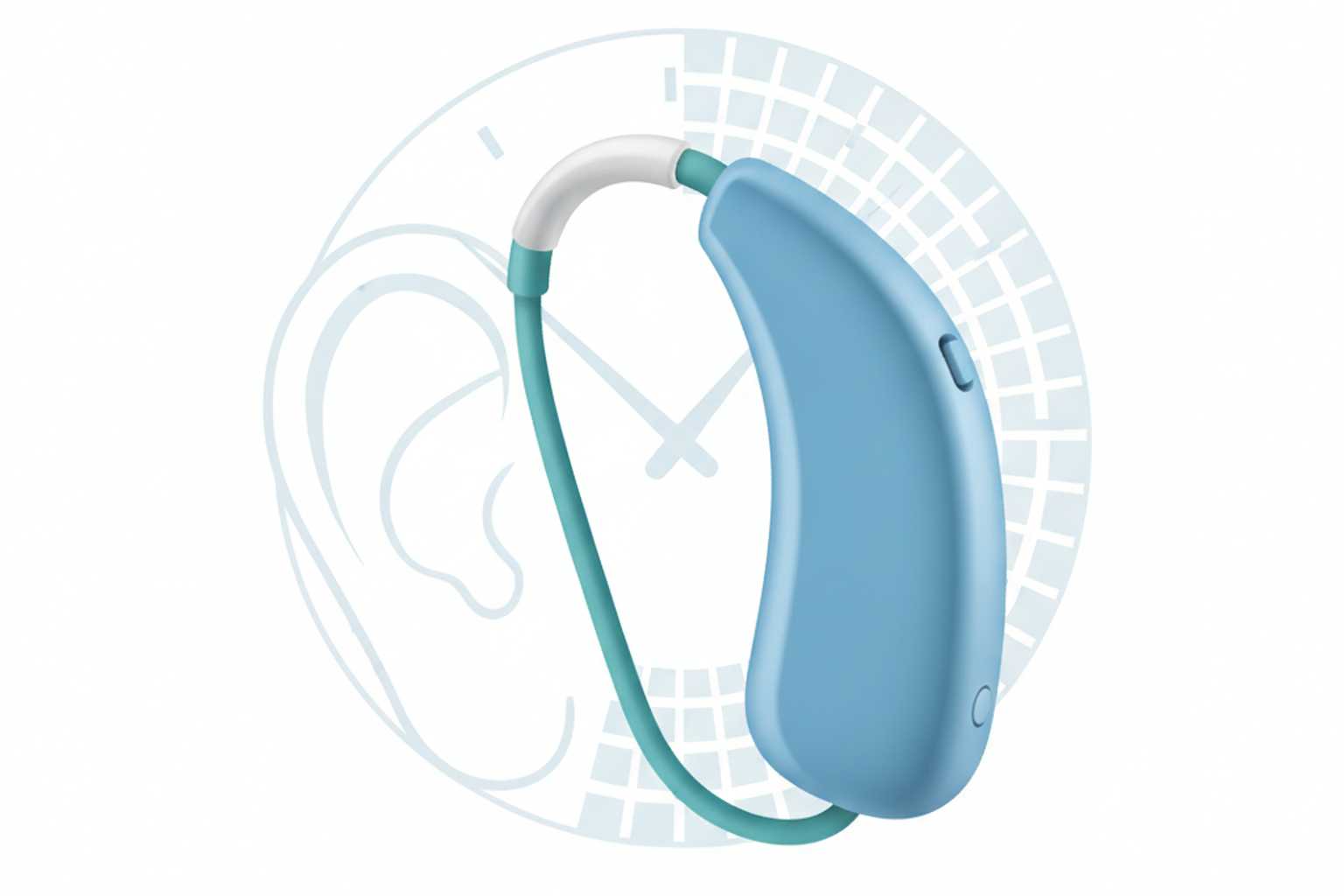
- Most hearing aids last three to seven years, and five years is typical for daily wear.
- Moisture, earwax, drops, and heat are the main reasons hearing aids fail early.
- Behind the ear styles often outlast smaller in-ear styles.
- Simple nightly care and safe storage can add years to your devices.
- Rechargeable batteries usually last four to six years before they need attention.
- Licensed professionals can spot small problems before they become big repairs.
The Short Answer: Three to Seven Years
If you are wondering how long hearing aids last, you are not alone. It is one of the first questions we hear at Ear to Hear. The answer is simple and reassuring: with good care, most hearing aids serve you well for years.
Our team has helped people hear better for a long time. At our 12 locations across Florida, Illinois, and Missouri, we see aids that last longer than their owners expected. Daily care, plus the right support from a hearing specialist, makes all the difference. Here is a clear guide.
On average, hearing aids last three to seven years. Many people get close to five years of good use. If you wear your aids all day, plan on the lower end of that range.
Daily wear is hard on small devices. The good news is that your habits at home can push you toward the higher end.
What Determines a Hearing Aid Lifespan
The lifespan of your hearing aids depends on care, style, and where you live. Humid Florida summers are harder on hearing aids than dry winter air. Your hands matter too, since careful handling prevents drops.
Your hearing needs matter most of all. If your hearing changes, your devices may need to change with it.
Lifespan by Hearing Aid Style
Style plays a big role. Small in-ear styles often last three to five years because their tiny parts sit close to wax and moisture.
Behind the ear hearing aids often last five to seven years or more. Their electronics sit behind the ear, away from earwax. That design advantage keeps them running longer. To compare styles, visit our page on hearing aids.
Daily Wear and Tear Adds Up
Your hearing aids work hard every day. They face skin oils, sweat, dust, and the occasional drop. Each small bump adds up over the years.
Treat your hearing aids gently. Put them in over a soft surface, not a hard counter.
Why Moisture Shortens Hearing Aid Life
Moisture is the top enemy of hearing aids. Rain, sweat, and humidity slip into the tiny openings and harm the parts. Take them off before you swim, bathe, or use hair spray. A dry, safe storage spot at night protects them too.
Earwax: The Silent Killer of Hearing Aids
Earwax is natural and healthy, but it is hard on hearing aids. Wax can block the speaker and dull the sound long before the device truly fails. Many "broken" aids only need a deep clean.
A proven cleaning routine keeps wax from building up. Your hearing specialist can show you the right way at any visit.
Disposable Batteries vs Rechargeable Models
Both power options serve people well. Disposable hearing aid batteries last days to weeks per cell, and swapping them does not shorten the life of the device itself.
Rechargeable hearing aids use built-in batteries rated for four to six years of daily charging. Often the battery ages out before the device does. Our team can check battery health during a visit.
Cleaning Habits That Extend Lifespan
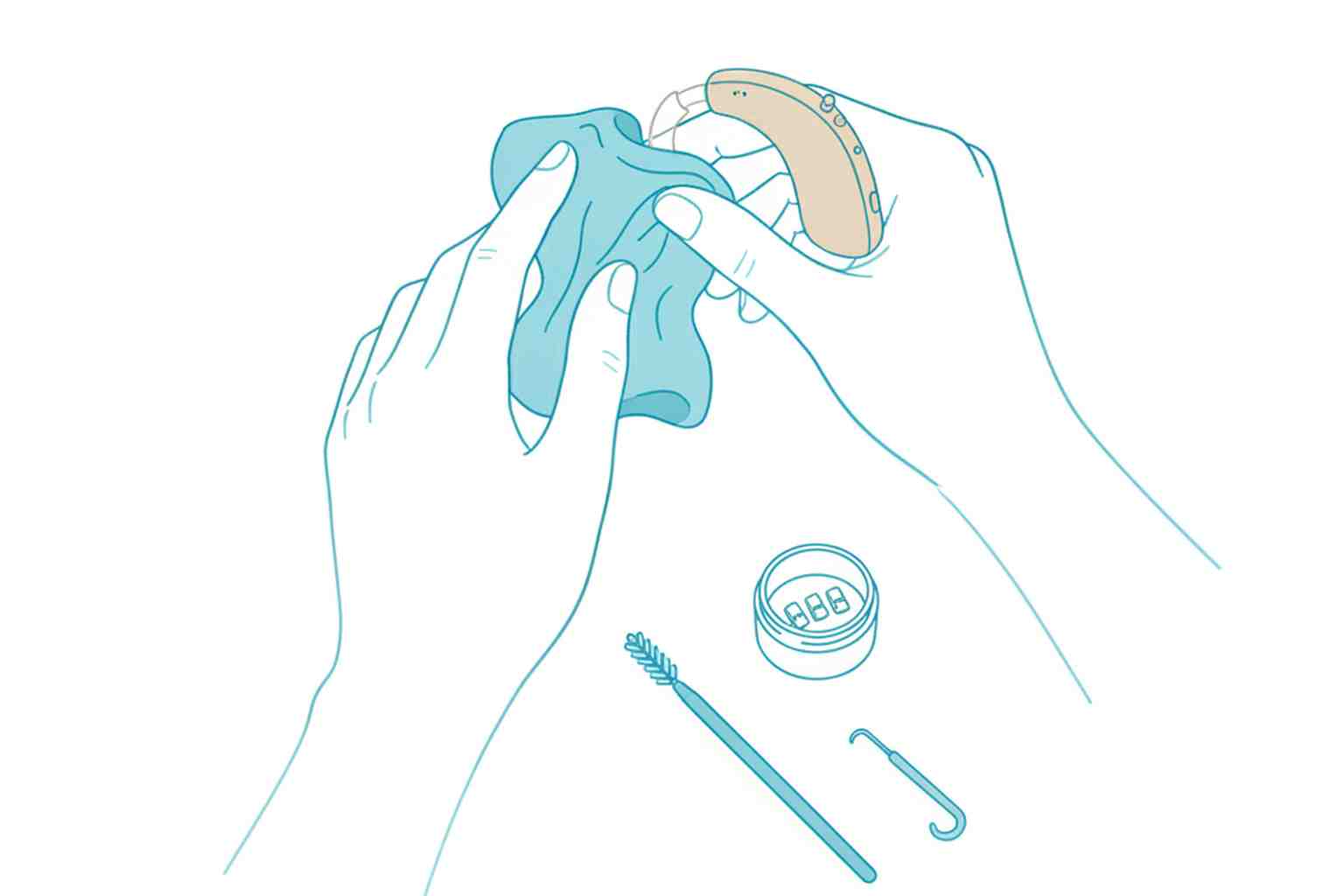
Good cleaning is the easiest way to add years. Each night, wipe your hearing aids with a dry, soft cloth. Check the wax filter and change it every few weeks or months.
Never use water or cleaning wipes on the devices. A soft brush removes wax from the small openings.
Smart Storage Habits
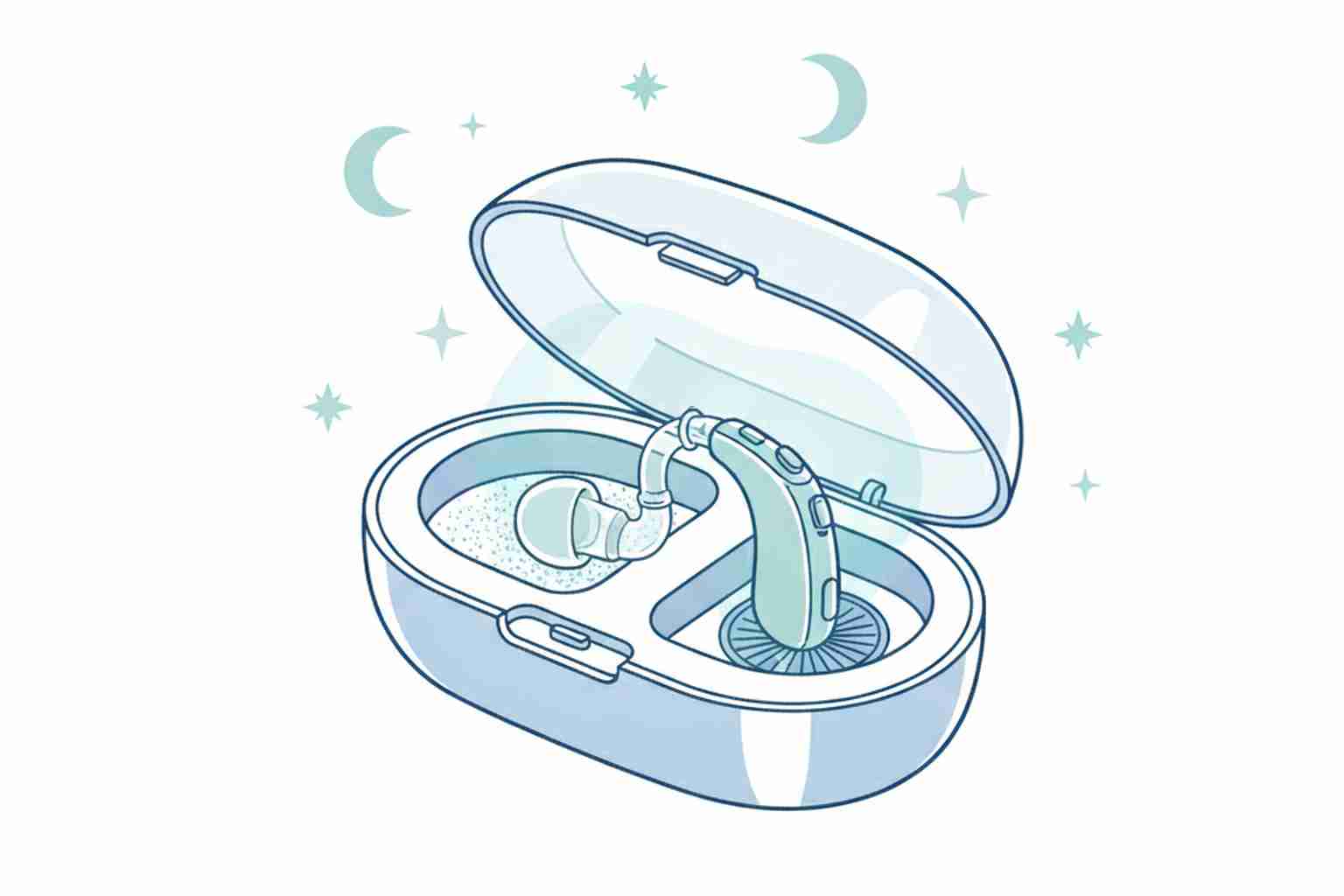
Where you keep your devices at night matters. A dry aid kit, which is a small dehumidifier, pulls out moisture while you sleep. Never leave hearing aids in a hot car or on a sunny sill. Keep them away from pets and small children too.
The Value of Professional Checkups
Home care only goes so far. A professional visit every six months gives your aids a deep clean and a full check.
These visits also protect your hearing. Our experienced team finds small problems before they grow. We check that your aids still match your results. If your ears have changed, a new hearing test keeps your settings clear and comfortable.
Hearing Aid Repair: Fix or Replace
Most repair jobs are quick when done through our office. A fix makes sense when the device is young and the problem is small. Talk with us if your aids need repairs more than once or twice a year. We will give you an honest answer, never a pushy one.
Clear Signs It Is Time for New Hearing Aids
Watch for these signs. You need repairs often. Sound quality drops even after service. You turn the volume up more than before.
Whistling that will not stop is another warning. So is falling behind in conversations. Older devices also miss modern features like background noise control and streaming. A Bluetooth hearing aids upgrade can bring real relief.
How Fast Hearing Technology Improves
Hearing technology improves quickly. Newer devices handle background noise better and make speech easier to follow. Many connect to phones and TVs without extra gear.
Still, getting new hearing devices is a personal choice, not a rule. If your aids serve you well, you do not need to swap them for the newest model. We help you decide with facts, not pressure.
Warranties and Coverage for Your Devices
Most new hearing aids include a manufacturer warranty, often one to three years. It usually covers repair work and sometimes one loss or damage claim. Extended coverage is often available.
Bring your paperwork to any visit, or just ask us. Our team checks your coverage and explains it in plain words.
How Our Team Helps Your Devices Last
Our licensed specialists clean and check your devices at no-charge visits. We catch wax and worn parts early. That trusted care adds years. A dependable, no-charge visit keeps small issues from becoming repairs.
With 12 locations across Florida, Illinois, and Missouri, reliable help is always nearby. Explore all our hearing care services or Schedule a free hearing test today.
Frequently Asked Questions
Most people get new hearing aids every three to seven years. Your hearing needs, care habits, and repairs all play a part. A checkup with our team helps you know the right time. Hearing aids typically last about five years with steady use.
Yes, often they are. Newer models handle background noise better and stream sound from phones and TVs. But if your current aids work well, there is no rush to change.
Some do, especially behind the ear styles with gentle care and regular checkups. But most need repairs or new parts along the way. Very old devices also miss modern features.
They last about the same overall, three to seven years. The built-in battery usually wears out at four to six years. After that, the device needs service or battery work.