
Key Takeaways
- Otitis externa is a common ear canal infection treated effectively by licensed specialists with prescription ear drops
- Professional evaluation is essential - delayed treatment can lead to complications that affect hearing health long-term
- Prevention strategies like ear drying and customized ear plugs reduce recurrence from 60% to under 15%
- Free hearing evaluations at Ear to Hear include a clear assessment of whether an ear canal infection is affecting your hearing
What Is Swimmer's Ear?
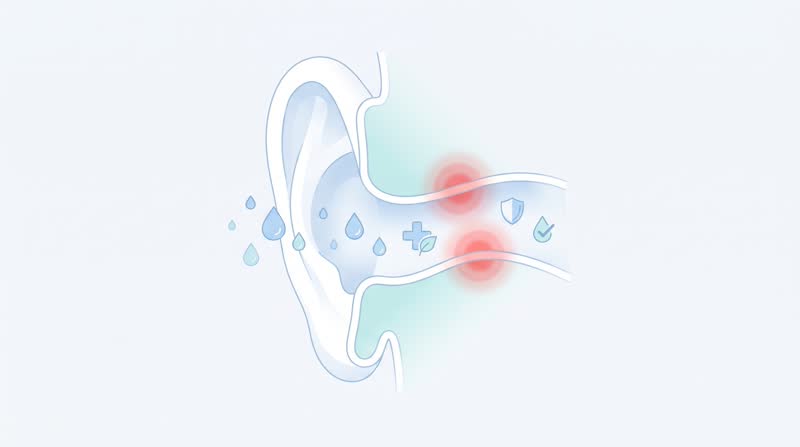
When you need swimmer's ear treatment, understanding the condition helps you act quickly. Swimmer's ear - known medically as otitis externa - is an infection of the outer ear canal, the passage that runs from the outside of your ear to your eardrum. Unlike middle ear infections that develop behind the eardrum, otitis externa occurs when bacteria or fungi invade the skin lining the ear canal, often after moisture breaks down its natural protective barrier. At Ear to Hear in Wesley Chapel, our licensed specialists see this condition frequently, especially during warmer months when water exposure increases and humidity creates the damp environment where microorganisms thrive.
The condition earned its common name because prolonged water exposure - swimming, showering, or even heavy sweating - is the most frequent trigger. But you do not need to be a swimmer to develop otitis externa. Any situation that traps moisture in the ear canal or damages its delicate skin lining can open the door to infection. According to the Centers for Disease Control and Prevention, otitis externa accounts for approximately 2.4 million healthcare visits annually in the United States, making it one of the most common reasons people seek professional ear care.
Symptoms That Signal Ear Canal Infection
Recognizing the early signs of otitis externa helps you seek professional relief before the condition worsens. Licensed specialists look for a specific progression of symptoms that distinguishes this infection from other ear problems:
Mild Stage: The First Warning Signs
| Symptom | What to Watch For |
|---|---|
| Itching inside the ear canal | Often the earliest and most frequently overlooked symptom |
| Mild discomfort or tenderness | When the outer ear is touched or pressed |
| Slight redness | Visible at the ear canal opening |
| Clear, odorless drainage | May appear minimal at first |
Moderate Stage: When Professional Evaluation Becomes Essential
| Symptom | What to Watch For |
|---|---|
| Increasing pain | Feels worse when chewing or pulling the earlobe |
| More pronounced swelling | Ear canal that may partially block sound |
| Discharge | Becomes thicker, yellowish, or has an odor |
| Muffled hearing | Swelling and debris narrow the canal |
| A feeling of fullness | Pressure inside the affected ear |
Advanced Stage: Seek Immediate Professional Care
| Symptom | What to Watch For |
|---|---|
| Severe pain | Radiating to the jaw or side of the head |
| Complete canal blockage | Causing noticeable hearing reduction |
| Fever | Indicating the infection may be spreading beyond the ear canal |
| Swollen lymph nodes | Around the ear or upper neck |
| Redness spreading | To the outer ear and surrounding skin |
If you experience any moderate or advanced symptoms, a licensed hearing specialist should evaluate you promptly. If you are also experiencing ear fullness unrelated to infection, see our guide to how to unclog your ears safely for context on when to distinguish between fluid blockage and infection.
Professional Treatment Options for Otitis Externa
When you visit a licensed specialist for otitis externa treatment, the approach depends on the severity and specific type of infection. Professional evaluation is critical because different microorganisms require different medications - using the wrong ear drops can worsen certain fungal infections, for example.
Prescription Ear Drops: The First Line of Defense
Antibiotic ear drops are the most common and dependable treatment for bacterial otitis externa. A licensed specialist typically prescribes a combination drop that includes an antibiotic to eliminate the infection, a corticosteroid to reduce inflammation and swelling, and sometimes an antifungal agent if yeast is suspected. These drops deliver medication directly to the infected tissue, providing faster relief than oral medications for most ear canal infections. Treatment typically runs 7 to 10 days, and most patients notice clear improvement within 48 to 72 hours of starting the prescription.
Professional Cleaning: Preparing the Canal for Healing
Before ear drops can work effectively, the ear canal must be clear of debris, discharge, and swollen tissue that block medication from reaching the infected skin. A licensed specialist uses specialized instruments and gentle suction - never irrigation in an infected ear, which can push bacteria deeper - to clean the canal safely. This professional cleaning, called aural toilet, is an essential step that many people skip by self-treating at home, which is one reason why home remedies often provide only temporary relief instead of dependable resolution.
Ear Wick Placement: When Swelling Blocks Access
In moderate to severe cases where the ear canal has swollen shut, a specialist may place a tiny absorbent wick into the canal. The wick stays in place for 24 to 48 hours, gradually delivering medicated drops past the swollen tissue to the infection site. Once swelling begins to subside, the wick is removed and drops can reach the canal directly. This technique provides relief in situations where drops alone would simply pool at the canal entrance without reaching the infected area.
Oral Antibiotics: Reserved for Severe Cases
When the infection spreads beyond the ear canal to surrounding skin and tissue - a condition called cellulitis - or when a patient has diabetes or a compromised immune system, a licensed specialist may prescribe oral antibiotics alongside ear drops. Oral medication reaches deeper tissue layers that topical drops cannot, providing more comprehensive relief when the infection threatens to extend beyond the canal. This approach is reserved for situations where the risk of complications makes topical treatment alone insufficient.
Experiencing Ear Pain or Discomfort?
A licensed specialist at Ear to Hear can determine whether your symptoms indicate otitis externa or another ear condition - and begin the right treatment immediately. Schedule a free hearing evaluation for a clear, professional assessment.
When to See a Licensed Specialist
Many people attempt to manage ear canal infection symptoms with over-the-counter products before seeking professional help. While mild irritation may improve on its own, several warning signs indicate you need evaluation by a licensed specialist rather than continued home care:
| Warning Sign | Why It Matters |
|---|---|
| Pain that worsens or persists beyond two days | Ongoing discomfort suggests the infection is progressing, not resolving |
| Visible swelling that narrows or blocks the ear canal opening | Swelling prevents self-administered drops from reaching the infection |
| Discharge with an odor or unusual color | Thick, yellow, greenish, or foul-smelling drainage indicates a more serious bacterial infection |
| Hearing reduction in the affected ear | Sudden hearing change warrants professional evaluation to rule out complications beyond otitis externa |
| Fever, chills, or swollen lymph nodes | Systemic symptoms mean the infection may be extending beyond the ear canal |
| Diabetes or immune system conditions | These health factors significantly increase the risk of malignant otitis externa, a rare but serious complication |
| Recurring infections | Multiple episodes per year suggest an underlying cause that a specialist can identify and address |
A licensed specialist examines the ear canal with an otoscope, identifies the specific type of infection, and prescribes the appropriate medication with personalized dosing - something no over-the-counter product can do reliably. Delaying professional care increases the risk of complications that can permanently affect hearing health.
Home Care Tips for Temporary Relief
While professional evaluation provides the most dependable path to resolving an ear canal infection, some home care measures can offer temporary relief while you wait for your appointment. These approaches ease discomfort but are not a substitute for professional treatment when symptoms are moderate or worse.
Safe Approaches for Temporary Comfort
| Safe Approach | How It Helps |
|---|---|
| Keep the ear dry | Avoid swimming, submerging your head in water, or allowing shower water to enter the canal. Moisture prolongs the infection and prevents healing. |
| Apply a warm compress | Hold a warm, damp cloth against the affected ear for 10 to 15 minutes. The warmth reduces pain naturally and may help localize the infection. |
| Use over-the-counter pain relief | Acetaminophen or ibuprofen can manage discomfort temporarily. Avoid aspirin in children due to Reye's syndrome risk. |
| Do not insert anything into the ear | Cotton swabs, fingers, and earplugs can push debris deeper and damage the already-inflamed canal lining, worsening the infection. |
| Sleep with the affected ear elevated | Lying on the opposite side promotes drainage and reduces pressure. |
What to Avoid
- Do not use hydrogen peroxide in an already-infected ear - it can irritate inflamed tissue and delay healing
- Do not apply ear drops without a professional diagnosis - the wrong medication can worsen fungal infections
- Do not try to clean inside the ear canal with any tool or liquid while it is infected
- Do not attempt irrigation - flushing water into an infected ear canal can spread bacteria deeper into tissue
These measures provide temporary comfort, not a dependable solution. If your symptoms do not improve within 48 hours of starting home care, schedule an evaluation with a licensed specialist to begin proper treatment before the infection progresses further.
How to Prevent Otitis Externa
Preventing swimmer's ear is far more effective than treating it after symptoms appear. Research published by the Mayo Clinic shows that simple preventive habits reduce recurrence rates dramatically. The following strategies come directly from what licensed specialists recommend:
Keep Ears Dry After Water Exposure
Drying the ear canal after swimming, showering, or bathing is the single most effective prevention step. Tilt your head to each side and gently pull the earlobe to encourage water drainage. A hair dryer on the lowest cool setting, held at least 12 inches from the ear, provides additional drying. Never insert anything into the canal - the skin inside is delicate and easily damaged, creating entry points for bacteria.
Use Custom Ear Protection
Our licensed hearing services include custom-fit swim plugs that seal the ear canal opening without pushing into the canal itself. Unlike generic drugstore earplugs, custom plugs are molded from a physical impression of your ear, creating a dependable waterproof barrier that stays in place during activity. For frequent swimmers, this personalized protection is the most dependable way to prevent water from reaching the canal skin and triggering another episode of otitis externa.
Avoid Damaging the Ear Canal Lining
Cotton swabs are the most common cause of ear canal skin damage. The canal is self-cleaning - earwax naturally migrates outward, carrying debris with it. Inserting a swab pushes wax deeper and microscopically scratches the canal lining, removing the protective wax layer and creating abrasions where bacteria enter. Other common irritants to avoid include scratching inside the ear with fingers, wearing in-ear headphones for extended periods in humid conditions, and using earbuds that do not fit properly.
Consider Preventive Ear Drops for High-Risk Situations
If you swim regularly or have a history of recurrent otitis externa, ask a licensed specialist about preventive ear drops. These typically contain a mild acidifying agent (often diluted white vinegar solution) that restores the canal's natural acidic pH, making it harder for bacteria and fungi to grow. A specialist can recommend the correct formulation and usage frequency for your specific situation, ensuring personalized, safe, and effective prevention rather than experimenting with homemade solutions that may irritate already-sensitive canal skin.
Swimmer's Ear vs Middle Ear Infection: Key Differences
Confusing otitis externa with a middle ear infection (otitis media) is common, but identifying the correct condition matters because the treatments are entirely different. The distinction is something a licensed specialist determines during examination:
Quick Comparison
| Factor | Otitis Externa (Swimmer's Ear) | Otitis Media (Middle Ear Infection) |
|---|---|---|
| Location | Affects the ear canal (outer ear) | Occurs behind the eardrum (middle ear) |
| Pain trigger | Hurts when you touch or pull the earlobe | Deeper pain that is not affected by touching the outer ear |
| Discharge | Often produces visible drainage from the canal | May cause fluid behind the eardrum but no visible discharge unless the eardrum ruptures |
| Cause | Triggered by moisture and canal skin damage | Typically follows upper respiratory infections, allergies, or eustachian tube dysfunction |
| Treatment | Responds to topical ear drops | May require oral antibiotics or observation depending on severity |
If you are unsure which type of infection you are experiencing, a free hearing evaluation provides a clear diagnosis. If you notice persistent ear discomfort and are unsure whether it is an ear canal issue related to water exposure, our guide to why your ear hurts explains the differences in more detail.
Risk Factors That Increase Your Chances
Understanding what makes otitis externa more likely helps you take preventive action. The National Institute on Deafness and Other Communication Disorders identifies several risk factors that licensed specialists watch for:
| Risk Factor | Why It Increases Risk |
|---|---|
| Frequent water exposure | Swimming, surfing, water sports, and even regular showering without ear protection create moist conditions where bacteria flourish |
| Warm, humid climates | Florida residents face higher risk than those in dry climates, which is why our Ear to Hear locations across Florida see so many otitis externa cases |
| Excessive earwax removal | Clearing wax too aggressively removes the canal's natural protective coating, leaving skin vulnerable |
| Narrow or unusually shaped ear canals | Anatomical differences that trap moisture make some people significantly more susceptible |
| Skin conditions | Eczema, psoriasis, and seborrheic dermatitis weaken the canal's skin barrier |
| Diabetes and immune conditions | These conditions reduce the body's ability to fight infection and increase the risk of complications |
| Small abrasions from earbuds or hearing aids | Devices that sit in the ear canal can microscopically scratch canal skin during insertion and removal |
If you use hearing aids and experience recurring ear canal irritation, a licensed specialist can adjust the fit and recommend a maintenance routine that reduces your risk while keeping your hearing clear and dependable.
Get Trusted Relief From a Licensed Specialist
Otitis externa does not improve on its own in most cases. Professional evaluation provides the fastest, safest path to relief - and a free hearing test can determine whether an infection is affecting your hearing. Schedule your free hearing evaluation today.
Frequently Asked Questions About Swimmer's Ear Treatment
Professional treatment for otitis externa involves prescription ear drops containing antibiotics and anti-inflammatory medication, applied directly to the infected ear canal. A licensed specialist first cleans the canal of debris and discharge to allow the medication to reach infected tissue. In moderate to severe cases where swelling has narrowed the canal, a tiny wick may be placed to deliver drops past the obstruction. Most patients experience clear improvement within 48 to 72 hours of starting the prescribed drops, with full resolution in 7 to 10 days. Over-the-counter remedies do not contain the targeted medication needed to resolve a bacterial or fungal ear canal infection.
Mild cases of otitis externa may improve without treatment, but this is unreliable and risks the infection worsening. Without professional intervention, bacteria continue multiplying in the warm, moist ear canal environment, and what starts as mild itching can progress to significant pain, swelling, and hearing reduction. A licensed specialist can determine whether your symptoms indicate a bacterial infection (requiring antibiotic drops), a fungal infection (requiring antifungal drops), or simple irritation - and starting the correct treatment early provides faster relief and prevents complications. The safest approach is a professional evaluation rather than waiting to see if symptoms resolve independently.
See a licensed specialist promptly if you experience ear pain that worsens over 24 to 48 hours, visible swelling or redness around the ear canal, discharge with an odor, hearing reduction in the affected ear, fever, or swollen lymph nodes near the ear. People with diabetes or weakened immune systems should seek evaluation immediately, as they face higher risk of malignant otitis externa - a rare but serious complication where infection spreads to surrounding bone. Similarly, if you have experienced multiple episodes of otitis externa within a year, a specialist can identify and address the underlying cause to prevent recurrence rather than treating each flare individually.
Otitis externa itself rarely causes permanent hearing loss. The hearing reduction that accompanies an active infection is typically temporary - caused by swelling and debris physically blocking the ear canal, or by discharge accumulation that muffles sound conduction. Once a licensed specialist treats the infection and the canal heals, hearing returns to its previous baseline. However, untreated severe infections can lead to complications that do affect hearing long-term: chronic canal narrowing from repeated infections, damage to the eardrum from uncontrolled inflammation, or malignant otitis externa in patients with diabetes. Prompt professional treatment prevents these complications and keeps temporary hearing changes from becoming permanent.
Preventing recurrence is a priority after any episode of otitis externa. The most effective strategies include: keeping ears dry after water exposure by tilting the head and using a cool-setting hair dryer at least 12 inches away; using custom-fit swim plugs from a licensed specialist rather than generic earplugs that may not seal properly; avoiding cotton swabs and anything that enters the ear canal; using preventive acidifying ear drops recommended by your specialist after swimming; and addressing underlying skin conditions like eczema that weaken the canal's protective barrier. For people who swim regularly or live in warm, humid climates like Florida, these preventive measures can reduce recurrence rates from roughly 60% to under 15%.