

If a constant ringing, buzzing, or hissing follows you everywhere, you are not alone. Millions of people live with tinnitus, and many have found real help through tinnitus masking with hearing aids. At Ear to Hear, our team helps patients every day who thought they simply had to live with the noise.
Today's hearing aids offer more than better hearing. Many include a soft masking feature that covers tinnitus sounds with gentle, steady sound. Below, we explain what masking is, how it works, and what results you can reasonably expect.
Key Takeaways
- Tinnitus is a perception of sound with no outside source, and it often comes with hearing loss
- Tinnitus masking uses external sound to cover or soften the noise you hear
- Many modern hearing aids include a built-in masking feature, often a white noise generator
- Sound therapy and hearing aids together can make a real difference in daily comfort
- Masking is a tool, not a cure, so results build over weeks of steady use
- A professional hearing evaluation is the safe, proven first step toward tinnitus therapy
What Is Tinnitus?
Tinnitus is the perception of sound when no external sound is present. People describe ringing, buzzing, hissing, roaring, or even clicking in one or both ears. It is a symptom, not a disease, and it often signals some degree of hearing loss.
For many patients, tinnitus intrusion is worse in quiet rooms because there is less competing sound to draw attention away. Specialists at the American Tinnitus Association (ata.org) describe it as one of the most common health complaints in the country. Examples of common triggers include loud noise exposure, earwax blockage, certain medicines, and age-related changes in the ear.
What Is Tinnitus Masking?
Masking introduces a steady external sound that covers or softens the tinnitus sounds you hear. Think of it like a fan running at night: the fan does not stop the ringing, but it makes the ringing much harder to notice. That is the whole idea behind using external sound as a tool.
Common masking sounds include white noise, soft ocean waves, rainfall, and gentle music.
Sound Generators
Dedicated sound generators are small table or wearable devices that play a soft, steady sound all day. They work well for patients whose hearing is still normal but who need steady sound for tinnitus therapy.
The Science Behind It
Studies show that sound therapy can lower how much you notice your tinnitus, especially when the sound is matched to your needs. The American Tinnitus Association offers trusted information on this approach if you want to read more.
How Tinnitus Hearing Aids Masking Works
Modern hearing aids work in two ways at once. First, they amplify the speech and environmental sounds you are missing, which gives your brain more real sound to focus on. Second, many models add a built-in masking feature, such as a white noise generator, that streams a soft, steady sound into your ear.
Because the soothing sound and the amplification come from the same small device, you do not need to wear separate sound generators. Our team can adjust both the hearing levels and the sound levels during your fittings, so the settings match how your tinnitus sounds on a given day.

Many of the manufacturers we work with build these programs directly into their hearing aids. A simple button press or phone app change switches the device into tinnitus therapy mode. The program then plays a soft noise chosen for your specific hearing profile. Newer models even let you shape the pitch of the sound until it blends with your tinnitus.
Combination Devices and Sound Generators
Not everyone needs amplification, so there are other devices worth knowing about. Standalone sound generators look like small hearing aids but produce a soothing tone only. Combination devices do both: they amplify sound and include a masking generator in one unit. A dedicated audiology clinic, like ours, fits the style that matches your hearing loss.
This matters because treatment fits into your normal day. You wear your hearing aids for conversation anyway, and the same units quietly reduce your tinnitus in the background. Patients often tell us the ringing fades into the floor by the end of the first month of steady use.
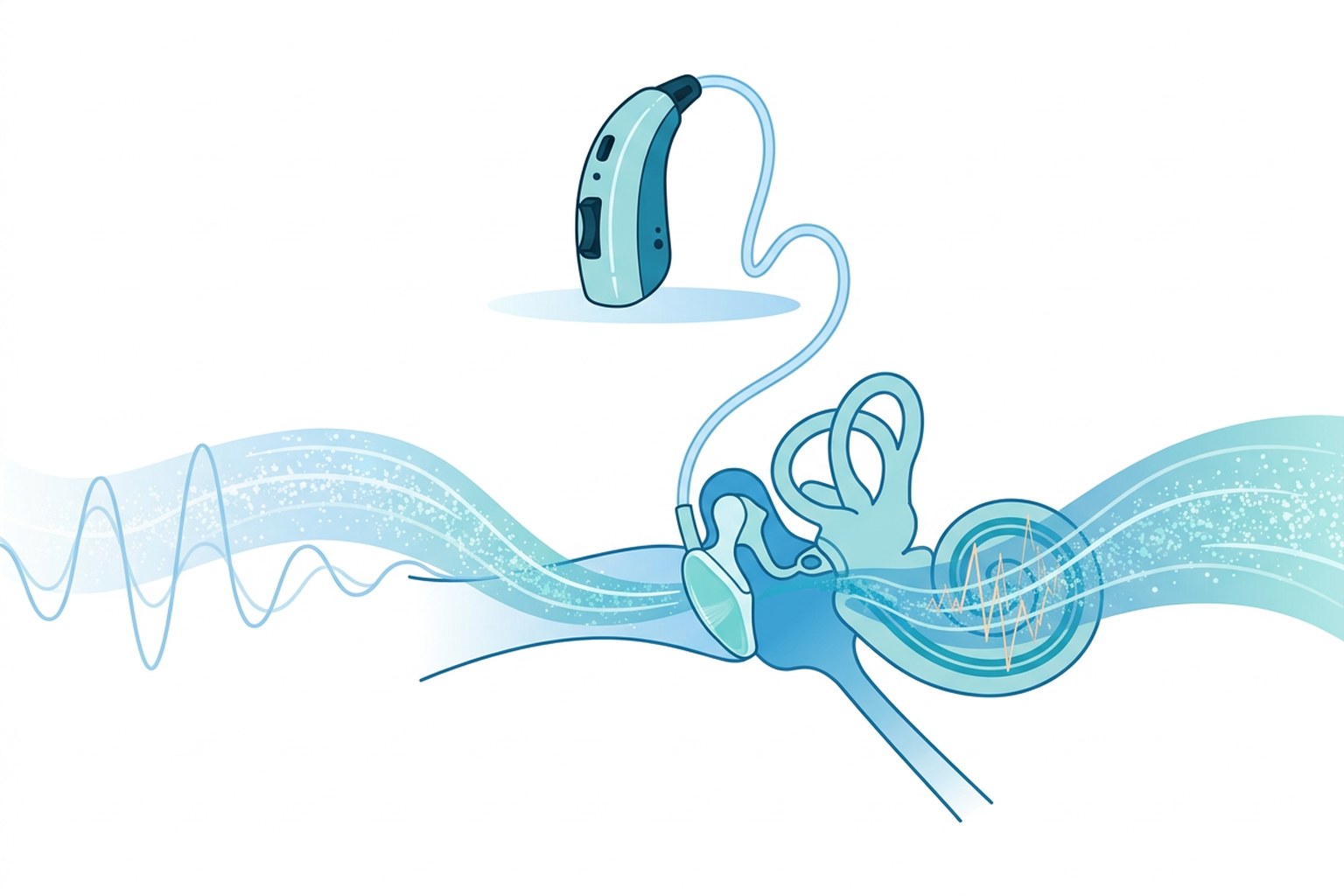
Bedside sound machines and smartphone apps extend sound therapy into the evening. If nighttime ringing keeps you awake, our how to sleep with tinnitus article lists bedroom strategies that pair well with masking tools. The goal is a steady bed of sound from morning to night, delivered by whichever option fits your hearing.
Why Hearing Aids Help So Much
Hearing loss and tinnitus travel together in most cases. When your ear loses the ability to pick up certain frequencies, your brain turns up its internal gain, and that gain can show up as ringing. Hearing aids restore the missing input, which quiets the brain's search for sound.
This is why professional testing matters so much. A licensed specialist on our team measures your hearing loss, maps your tinnitus, and programs the devices to address both. Wearing hearing aids all day, every day, gives the brain the steady sound diet it needs. Our hearing aids guide explains the styles and features we recommend.
What the Evidence Shows
The evidence for hearing aids as tinnitus treatment is strong and growing. Clinical trials have found that a large share of patients report reduced tinnitus annoyance after being fitted with hearing aids. Audiologists across the country see the same pattern in practice.
Research also supports combined treatment: amplification plus structured sound therapy performs better than either approach alone. Reviews published by hearing research groups describe masking and counseling as dependable tools, not experimental fads. Our team follows this evidence when we build each patient's plan, and we track your progress at every visit.
What Masking Cannot Do
Sound is a tool, not a cure. Masking does not erase the tinnitus signals in your auditory system, and the ringing can return when you take the hearing aids off. We want patients to hold clear, honest expectations before starting tinnitus therapy.
What masking can do is change your relationship with the sound. Most patients notice their tinnitus less, worry about it less, and sleep better within weeks. That shift, from intrusive to ignorable, is the real goal of professional tinnitus treatment. Patience matters: full benefit often takes one to three months of steady use.
Finding the Right Sound for You
Masking works best when the sound is pleasant and slightly quieter than your tinnitus. Some patients prefer broadband white noise, while others do better with nature sounds or a low, gentle hum. There is no single correct choice, only the sound your ear accepts.
During your fitting, our experienced team plays different masking options and records your preference. We then program it into your hearing aids so it is always one tap away, and the results are reliable and repeatable from one visit to the next. We set the level loud enough to soften your tinnitus but quiet enough to keep the outside world clear, so you notice the noise less through your day. Take our online hearing test to get a first sense of your hearing, and we fine-tune the rest together.
Getting a Professional Tinnitus Evaluation
Self-diagnosis is risky, because tinnitus can have many causes, and some are treatable in the clinic. A professional hearing test is safe, quick, and painless. We measure your thresholds, check for earwax, review your health history, and match your tinnitus frequency.
Our audiologists then recommend the right treatment path, whether that means hearing aids, sound generators, referral to a physician, or a mix of all three. Each of our 12 local centers across Florida, Illinois, and Missouri offers this evaluation. Visit our locations page to find the center near you, or schedule an appointment with our hearing aids for tinnitus team.
Next Steps With Our Team
You do not have to manage tinnitus alone. Start by booking a hearing test at one of our centers, or take our online screening first if you prefer to begin at home. If you already wear hearing aids, ask us about adding a masking program to your current settings.
If you are a veteran or a senior patient, our does Medicare cover hearing aids guide answers common coverage questions. Our professional, experienced team has helped thousands of patients turn down the volume on their tinnitus, and we would be glad to help you next.
Ready to Quiet the Ringing?
A hearing evaluation from our licensed specialists shows whether masking hearing aids fit your needs. Schedule your free hearing test.
Frequently Asked Questions
People most often describe a high ringing, like a distant tea kettle, or a steady hiss similar to static. Some hear a low roar or a pulsing whoosh. The sound varies from person to person, and only you know what yours is like.
Loud noise exposure, stress, fatigue, caffeine, and certain medicines can all make tinnitus louder. Quiet rooms often make it more noticeable too. A health professional can help you identify your personal triggers.
An audiologist can play matched tones during a test until you find the one that matches your ringing. This is called pitch matching, and it takes only a few minutes. The result helps us program a masking sound that fits your ear.
Short-term tinnitus after a loud concert may fade within hours or days. Chronic tinnitus, the kind tied to hearing loss, usually persists without treatment. The good news is that steady sound therapy and hearing aids can lower how much it bothers you over time.