
Key Takeaways
- OTC hearing aids are FDA-regulated devices for adults with perceived mild to moderate hearing loss, not suitable for severe hearing loss
- The best OTC hearing aids combine sound quality, user-friendly apps, reliable customer support, and fair pricing
- Top OTC brands include Lexie, Jabra Enhance, Audien, Elehear, and Sony, each with distinct strengths and limitations
- A professional hearing test before buying OTC hearing aids helps confirm your hearing loss level and rules out medical conditions
- OTC devices lack the personalized programming and ongoing care that prescription hearing aids provide
- Ear to Hear offers hearing tests and professional fitting services across Florida, Illinois, and Missouri to help you choose the right path
What Are OTC Hearing Aids
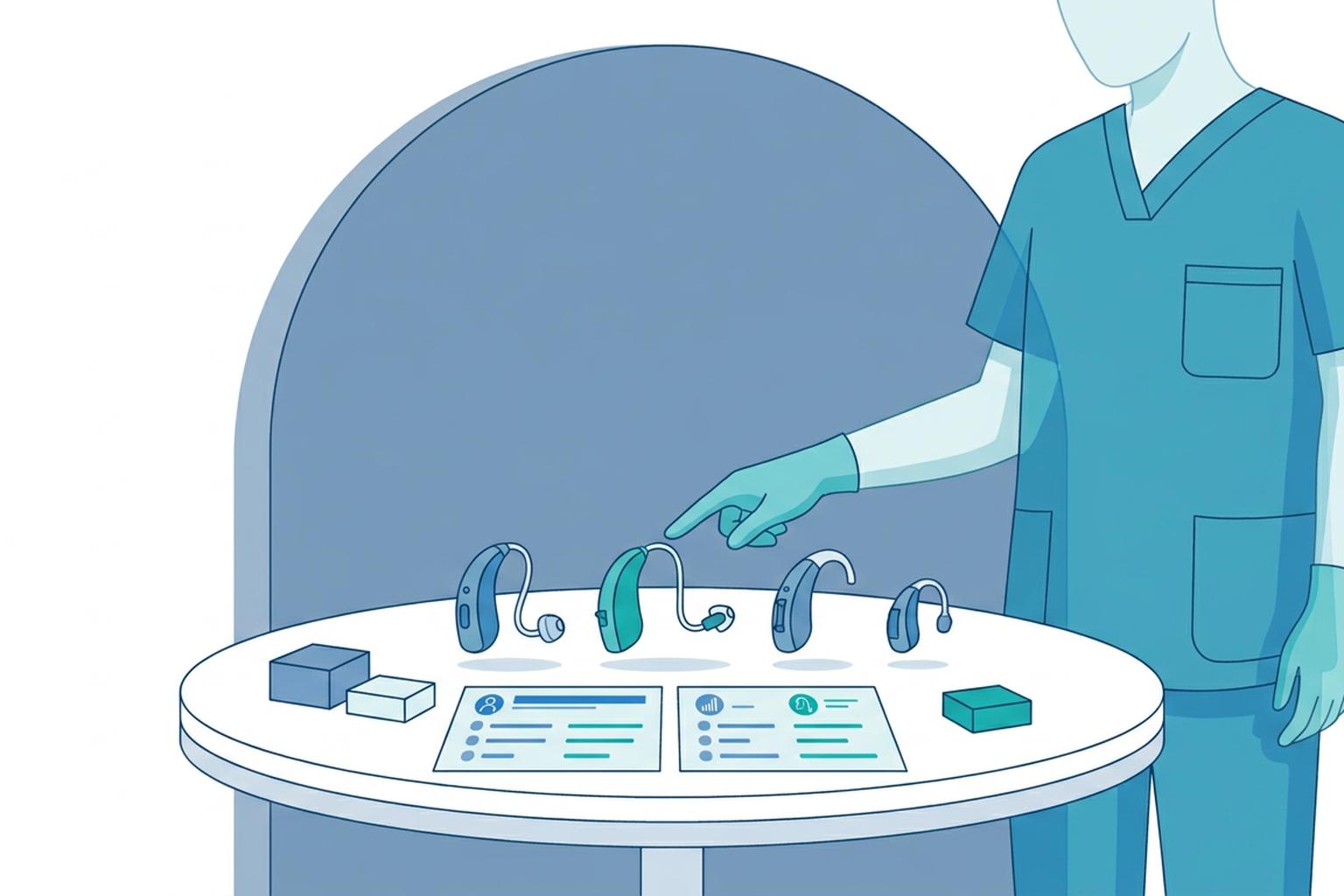
At Ear to Hear, our licensed specialists help patients navigate the growing world of hearing aids, including over-the-counter options that have transformed the market since the FDA's 2022 ruling. OTC hearing aids offer a self-fitting alternative for adults with perceived mild to moderate hearing loss, but choosing the right device requires understanding what separates quality products from disappointing ones.
Over-the-counter hearing aids are designed for adults with mild to moderate hearing loss who want an affordable entry point into better hearing. Unlike prescription devices fitted by an audiologist, OTC models are self-fitting and available directly from stores and online retailers. Our team at Ear to Hear has guided hundreds of patients through this decision, and we want to share what matters most when comparing the best OTC hearing aids on the market today.
Over-the-counter hearing aids became available in October 2022 when the FDA finalized its regulation. These self-fitting devices are intended for adults with perceived mild to moderate hearing loss. You can buy them without a prescription, without a hearing exam, and without visiting an audiologist.
This accessibility has two sides. OTC hearing aids make hearing assistance affordable for millions of Americans who could not access prescription devices. But the self-fitting process means you are responsible for programming and adjusting the device yourself through a smartphone app.
The FDA requires OTC hearing aids to meet safety and labeling standards, including adjustable volume, output limits, and clear instructions. However, the FDA does not evaluate whether a particular device performs well or delivers meaningful hearing improvement.
Who Should Consider OTC Hearing Aids
OTC hearing aids are designed for adults with perceived mild to moderate hearing loss. If you struggle to follow conversations in noisy restaurants, frequently ask people to repeat themselves, or turn the TV volume louder than others prefer, an OTC device may help.
These devices are not appropriate for everyone. You should see a licensed specialist if you experience sudden hearing loss, hearing loss in only one ear, ear pain, or ringing that affects your sleep or concentration. These symptoms may indicate medical conditions requiring professional diagnosis.
Our hearing tests at Ear to Hear provide a clear picture of your hearing health before you invest in any device. A comprehensive hearing evaluation takes about 30 minutes and gives you the information you need to make an informed decision about OTC versus prescription hearing aids.
How We Evaluated the Best OTC Hearing Aids
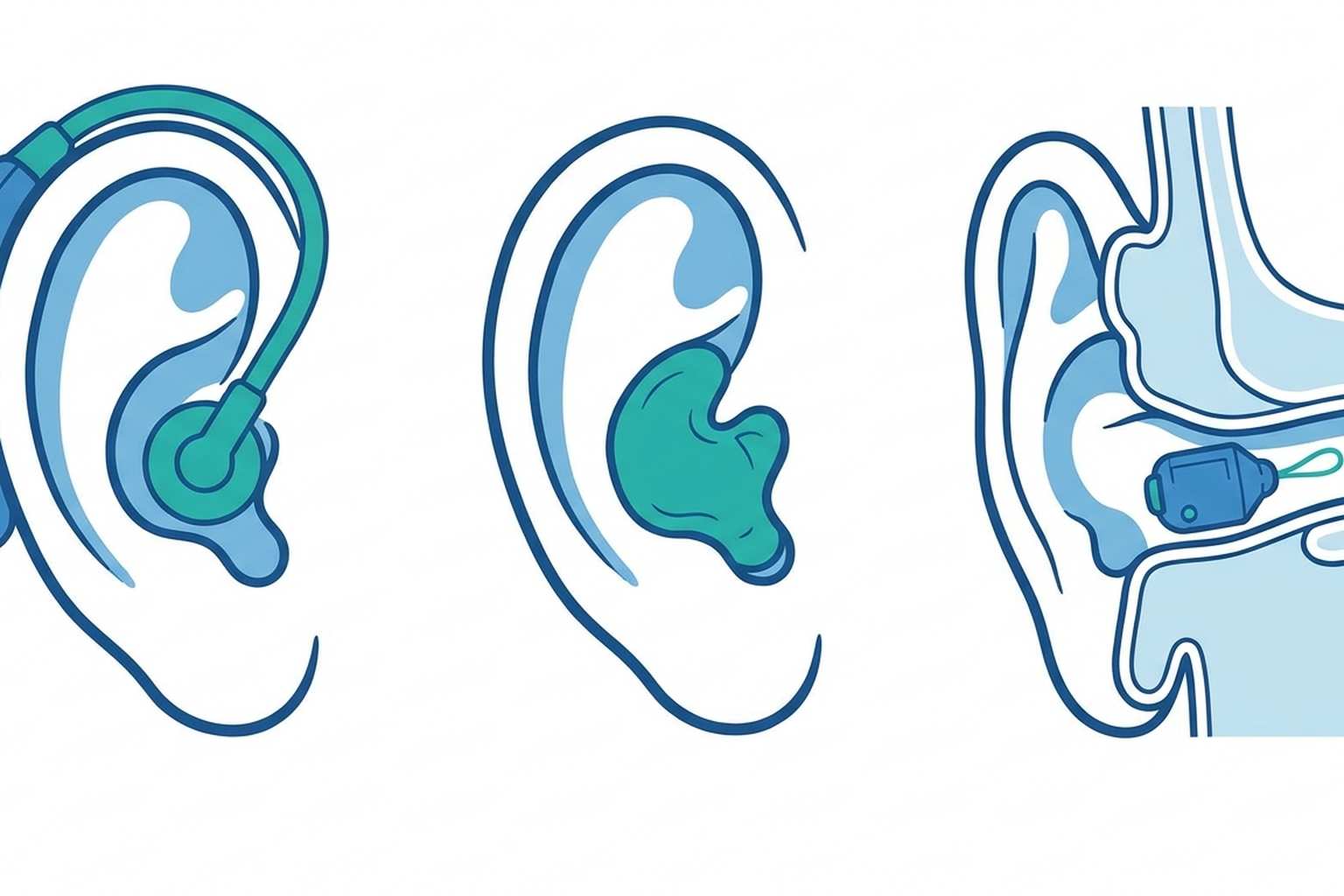
Our licensed specialists evaluated the most popular OTC hearing aids based on criteria that matter most to users. Sound quality is the foundation - a device that amplifies sound without clarity is worse than no hearing aid at all. We assessed how each device handles speech in quiet and noisy environments.
App usability matters because most OTC hearing aids require a smartphone app for setup and adjustment. A confusing app means frustration and poor hearing results. We tested each companion app for clarity, responsiveness, and available features.
Customer support proved critical. We contacted each manufacturer's support team to assess response times and knowledge. Battery life and charging convenience affect daily satisfaction. Finally, we weighed price against performance because the cheapest option is rarely the best value.
Top OTC Hearing Aid Brands Compared
The OTC hearing aid market has grown rapidly since 2022, with several manufacturers establishing themselves as leaders. Each brand takes a different approach to sound processing, design, and user experience. Here is how the major players compare.
Lexie Hearing pairs with Bose technology to deliver solid sound quality through an intuitive app. The Lexie app guides users through a self-fitting process that adjusts sound settings based on your hearing preferences. Pricing sits in the mid-range at around $399 to $499 per pair. The main limitation is limited advanced features compared to prescription devices.
Jabra Enhance brings GN Audio's decades of hearing aid experience to the OTC market. The Enhance Select models offer good sound quality and a polished app experience. Jabra offers three tiers ranging from approximately $799 to $1,195 per pair. The higher tiers include professional remote adjustments, which sets Jabra apart from most OTC competitors.
Audien focuses on affordability with models starting under $200 per pair. The Atom and Atom Pro models are among the cheapest OTC options available. Sound quality is acceptable for quiet environments but struggles in background noise. Customer support has mixed reviews from users.
Elehear offers AI-powered sound processing at competitive prices around $400 to $800 per pair. The Elehear app provides a self-fitting hearing test and ongoing adjustments. Sound quality ranks well among OTC options, particularly for speech clarity.
Sony entered the OTC market with the CRE-E10, co-developed with WS Audiology. This partnership brings prescription-grade technology to an OTC platform. The device offers good sound quality and a comfortable design, though pricing is higher at around $1,100 per pair.
Sound Quality and Performance
Sound quality separates effective OTC hearing aids from simple amplifiers. The best OTC hearing aids process sound digitally, adjusting different frequency bands to match your hearing loss pattern rather than uniformly amplifying all sounds.
In quiet environments, most OTC hearing aids perform adequately. Speech from a single speaker comes through clearly, and TV audio becomes easier to follow. The real test is noisy environments like restaurants and family gatherings, where background noise competes with the speech you want to hear.
Premium OTC models from Jabra and Sony handle background noise better than budget options from Audien. This difference comes down to the number of processing channels and the sophistication of the noise reduction algorithms. More channels allow finer adjustments to specific frequency ranges, which translates to better speech clarity in challenging listening situations.
Feedback management is another performance factor. Cheap OTC devices may whistle or squeal when you hug someone or put on a hat. Quality OTC hearing aids include feedback cancellation technology that suppresses whistling before it becomes noticeable.
App Features and Ease of Use
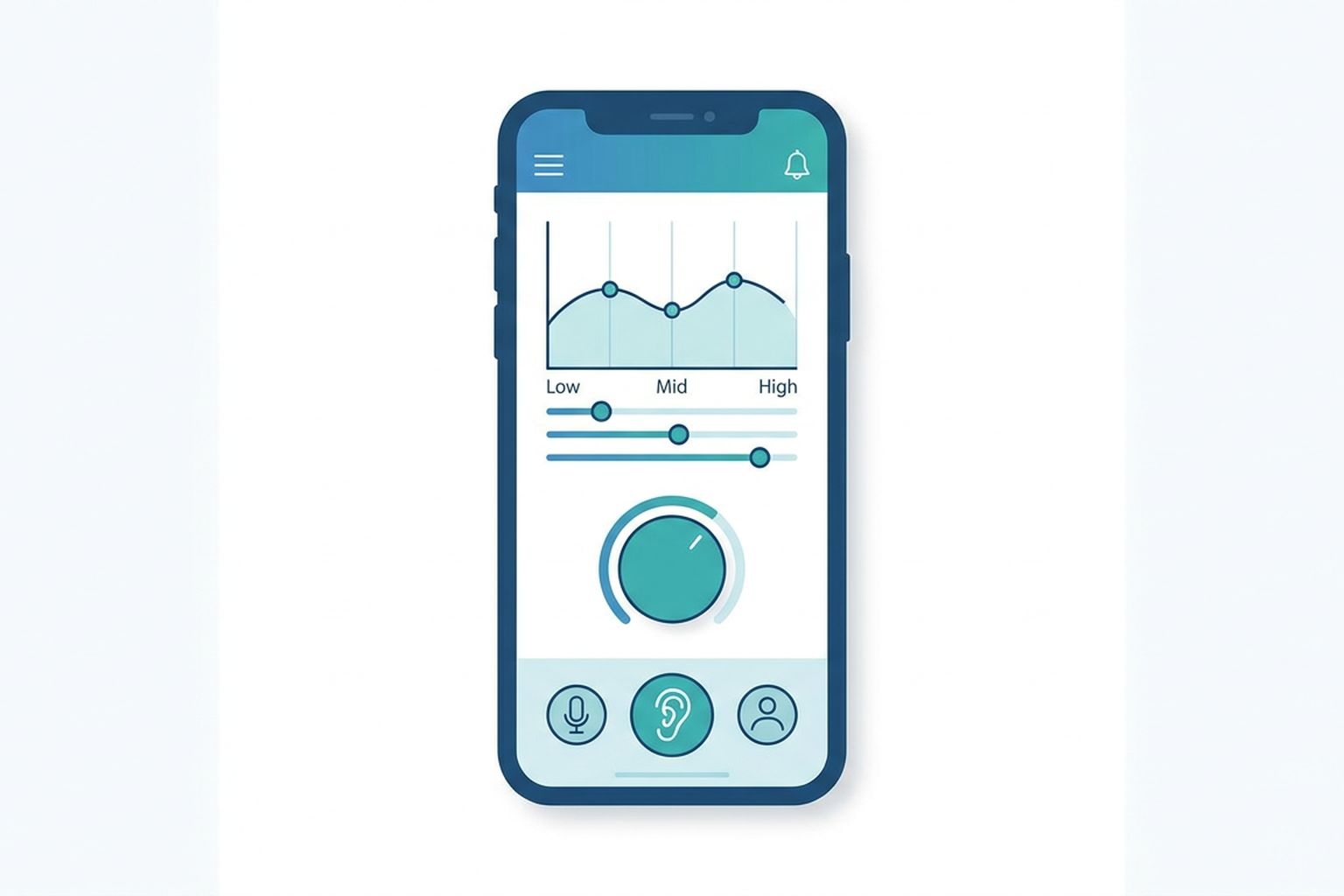
The smartphone app is your control center for OTC hearing aids. Through the app, you complete the initial self-fitting process, adjust volume, change programs, and update your hearing profile. A well-designed app makes the difference between a hearing aid you wear daily and one that sits in a drawer.
The best apps guide you through setup with step-by-step instructions and a built-in hearing test. They offer preset programs for common situations and independent volume adjustments for each ear.
Jabra Enhance offers the most polished app experience with professional support available at higher tiers. Lexie's app is user-friendly with clear visuals and guided setup. Audien's app is more basic, offering volume control and preset programs but fewer customization options.
Battery monitoring through the app is a useful feature that lets you check remaining charge before leaving home. Some apps also track wearing time and usage patterns, which can help you stay consistent with daily wear.
Pricing and Value Comparison
OTC hearing aids range from under $200 to over $1,100 per pair, making them significantly more affordable than prescription devices that often cost $2,000 to $7,000 per pair. But price alone does not determine value.
Budget OTC hearing aids under $300, like the Audien Atom, offer a low-cost entry point but with limitations in sound quality, noise reduction, and durability. These work best for mild hearing loss in quiet settings.
Mid-range OTC hearing aids from $400 to $800, including Lexie and Elehear models, provide better sound processing and more app features. This tier often represents the best balance of affordability and performance.
Premium OTC hearing aids above $900, like the Sony CRE-E10 and Jabra Enhance Select 300, come closest to prescription quality. The Jabra Enhance Select 300 includes professional remote adjustments, bridging the gap between OTC self-fitting and professional fitting.
Consider what you get for the price. A $799 device with reliable support and effective noise reduction may deliver more value than a $199 device that frustrates you with poor performance.
OTC vs Prescription Hearing Aids
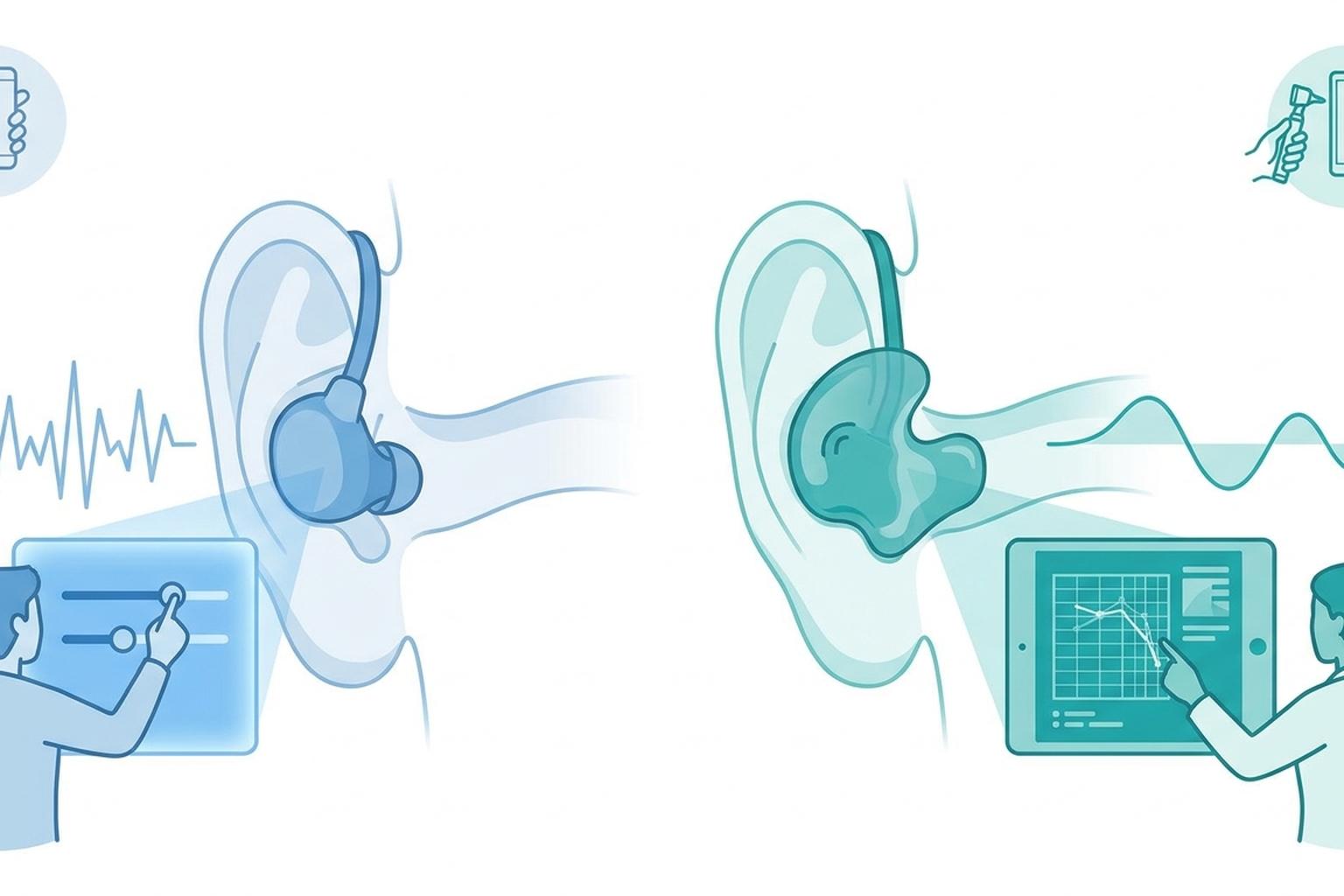
Understanding the differences between OTC and prescription hearing aids helps you make the right choice. OTC devices are self-fitting, meaning you program them yourself through an app based on your own perception of what sounds good.
Prescription hearing aids are professionally fitted by a licensed audiologist or hearing specialist. The specialist performs a comprehensive hearing test, programs the device to your exact hearing loss profile using real-ear measurement, and provides ongoing adjustments. Our team at Ear to Hear specializes in this personalized approach.
The technology gap is narrowing. Some premium OTC devices now include features once exclusive to prescription models. However, prescription behind the ear hearing aids still offer superior customization, more power for severe hearing loss, and professional oversight.
Cost is the primary advantage of OTC devices. But if an OTC device does not work well and you end up buying prescription devices anyway, you have spent more than starting with professional care.
Limitations of OTC Hearing Aids
OTC hearing aids have real limitations that marketing does not always highlight. Self-fitting means you are guessing at the right settings without knowing your exact hearing loss pattern across different frequencies.
Most OTC devices lack the power for severe or profound hearing loss. If your hearing loss is worse than moderate, OTC hearing aids will not provide enough amplification. Using an underpowered device can cause frustration and lead you to believe hearing aids do not work, when you actually need prescription-level power.
Ongoing care is another gap. Prescription hearing aids come with professional support for cleaning, reprogramming, and repairs. OTC devices rely on manufacturer customer service, which varies widely in quality.
Durability concerns exist with budget OTC models. Cheaper devices may use lower-quality components that fail sooner or degrade faster with daily use. Moisture resistance also varies, with some budget models lacking adequate protection from sweat and humidity.
When to See a Professional Instead
A professional hearing evaluation is the most important step before purchasing any hearing device. At Ear to Hear, we recommend a hearing test even if you plan to buy OTC hearing aids, because the test confirms whether OTC is appropriate for your specific hearing loss.
You should see a licensed specialist if your hearing loss is worse than moderate, if you have hearing loss in only one ear, or if your hearing loss occurred suddenly. Tinnitus that interferes with sleep also warrants professional evaluation rather than an OTC purchase.
Our hearing care services include comprehensive hearing evaluations, hearing aid fitting, and ongoing support across our locations in Florida, Illinois, and Missouri. We carry prescription hearing aids from leading manufacturers including Phonak, Signia, and ReSound, fitted to your exact hearing profile.
Even if you choose an OTC device, a professional hearing test gives you a baseline for future comparison. Hearing loss often progresses gradually, and knowing your starting point helps you track changes over time.
Rechargeable OTC Options
Many of the best OTC hearing aids now feature rechargeable batteries, eliminating the need to buy and replace tiny disposable batteries. Rechargeable hearing aids charge overnight and provide a full day of use.
The Jabra Enhance Select 300 offers rechargeability with a charging case. Sony's CRE-E10 also includes a charging case. Budget options like the Audien Atom Pro added wireless charging.
Battery life typically ranges from 16 to 24 hours per charge depending on usage. If you stream audio via Bluetooth, expect shorter battery life.
Bluetooth Connectivity in OTC Hearing Aids
Bluetooth connectivity allows OTC hearing aids to stream phone calls, music, and podcasts directly to your ears. This feature has become common, with several OTC models offering Bluetooth streaming.
Bluetooth hearing aids provide a significant improvement for phone conversations, especially for people who struggle with phone audio quality. The ability to adjust settings through a phone app also depends on Bluetooth.
Not all Bluetooth implementations are equal. Some OTC devices stream only from the app, not phone calls or media. Premium OTC models from Jabra and Sony generally offer the most reliable Bluetooth performance. Streaming audio consumes significantly more power, which can reduce daily battery life by 30 to 50 percent.
Tips for First-Time OTC Buyers
If you decide OTC hearing aids are right for you, follow these tips. Start with a hearing test from a licensed specialist to confirm your hearing loss level before buying.
Set realistic expectations. OTC hearing aids will not restore your hearing to normal. They amplify sounds to make speech more audible, but cannot replicate the precision of professionally fitted prescription devices. The adjustment period takes two to four weeks as your brain adapts to hearing sounds you have been missing.
Wear your hearing aids consistently. Daily wear is the most important factor in successful adaptation. Start with a few hours per day in quiet environments and gradually increase wearing time.
Keep the device clean and dry. Earwax buildup is the most common cause of hearing aid problems. Clean your devices daily with a soft, dry cloth and store them in their case overnight. If you notice a decrease in sound quality, check for wax blockage in the speaker opening.
How Ear to Hear Can Help
At Ear to Hear, we believe informed patients make the best decisions about their hearing health. Whether you choose OTC or prescription devices, we are here to help. Our licensed specialists provide comprehensive hearing evaluations that give you a clear understanding of your hearing loss.
If your hearing test shows prescription hearing aids are the better choice, we offer professional fitting with devices from Phonak, Signia, ReSound, and other leading manufacturers. Our team uses real-ear measurement to program each device to your exact hearing profile.
We also provide ongoing care including cleaning, reprogramming, and repairs. Our locations across Florida, Illinois, and Missouri make it convenient to access professional hearing care. If you already purchased OTC hearing aids and are not satisfied, we can evaluate whether your device is appropriate and recommend next steps.
Call us at (813) 345-8135 or Schedule a free hearing test at any of our locations. Your hearing is too important to leave to guesswork, and our team is ready to help you hear your best.
Frequently Asked Questions
The best OTC hearing aid depends on your individual hearing loss, budget, and lifestyle. Based on our evaluation, Jabra Enhance Select 300 offers the best overall combination of sound quality, app features, and professional support. For budget-conscious buyers, the Lexie B2 Powered by Bose delivers solid performance at a mid-range price. We recommend starting with a hearing test to determine which device matches your specific needs.
Yes, several OTC hearing aids deliver meaningful hearing improvement for adults with mild to moderate hearing loss. Jabra Enhance, Lexie, and Sony models have demonstrated good performance in independent testing. However, OTC devices are not suitable for severe hearing loss, and the self-fitting process means results vary by user. A professional hearing test before purchasing helps set realistic expectations and confirms OTC is appropriate for your hearing loss level.
Many audiologists recommend Jabra Enhance Select 300 because it includes professional remote adjustments, bridging the gap between self-fitting OTC devices and professionally fitted prescription hearing aids. Sony's CRE-E10, developed with WS Audiology, also receives professional recognition for its sound processing technology. Audiologists generally caution against the cheapest OTC models because they often lack the sound quality and support that lead to successful outcomes.
The most highly recommended hearing aid is the one that matches your specific hearing loss profile, lifestyle, and budget. For professional fitting, we recommend prescription hearing aids from Phonak, Signia, and ReSound programmed to your exact hearing needs. For OTC use, Jabra Enhance and Lexie models receive the strongest recommendations from hearing care professionals. The right choice starts with a comprehensive hearing evaluation from a licensed specialist. Call us at (813) 345-8135 to schedule yours.
References
- FDA. "Final Rule: Over-the-Counter Hearing Aids." U.S. Food and Drug Administration, October 2022.
- NCOA. "Best Over-the-Counter Hearing Aids." National Council on Aging, 2026.
- Consumer Reports. "Over-the-Counter Hearing Aids: Brands Comparison." Consumer Reports Health, 2026.
- Johns Hopkins Medicine. "Choosing Over-the-Counter Hearing Aids: Tips from an Expert." 2026.
- Hearing Loss Association of America. "Over-the-Counter (OTC) Hearing Aids." hearingloss.org, 2026.
- @NYTWirecutter. "We tested every OTC hearing aid we could find." X/Twitter, 2026.
- @HearingLossOrg. "OTC hearing aids are here. Here is what you need to know before buying." X/Twitter, 2026.
Ready to take the first step? Schedule a free hearing test or call us at (813) 345-8135.