
Key Takeaways
- Earwax impaction happens when wax packs down and blocks the ear canal instead of clearing naturally.
- Common symptoms include muffled hearing, ear fullness, ringing, and mild discomfort on one side.
- Cotton swabs and ear candles push wax deeper and are a leading cause of impacted cerumen.
- Safe home removal uses softening drops or gentle irrigation, never objects inserted into the canal.
- A hearing specialist can remove stubborn blockages quickly with irrigation, curettage, or microsuction.
- Prevention means cleaning only the outer ear and scheduling regular wax checks if you wear hearing aids.
What Is Earwax Impaction?
Earwax is one of those things most people never think about until it becomes a problem. But when wax builds up and packs tightly inside the ear canal, it can cause discomfort, muffled hearing, and a frustrating feeling of fullness that does not go away on its own. This condition, known as earwax impaction, is one of the most common reasons people visit a hearing care provider or clinic for help with their ears.
The good news is that impacted cerumen is highly treatable, and most cases clear up quickly with the right approach. At Ear to Hear, our licensed hearing specialists help patients understand what is happening inside their ears and provide safe, professional cerumen removal when home care is not enough. This guide walks through the symptoms, causes, and treatment options so you know exactly what to do if you suspect a wax blockage. Call us at (813) 345-8135 if you need same-day help.
Earwax, also called cerumen, is a natural substance produced by glands in the lining of the auditory canal. It traps dust, debris, and bacteria, keeping your ears protected and lubricated. In most cases, the ear is self-cleaning. Jaw movement from chewing and talking gently moves old wax outward, where it flakes off or washes away during a shower.
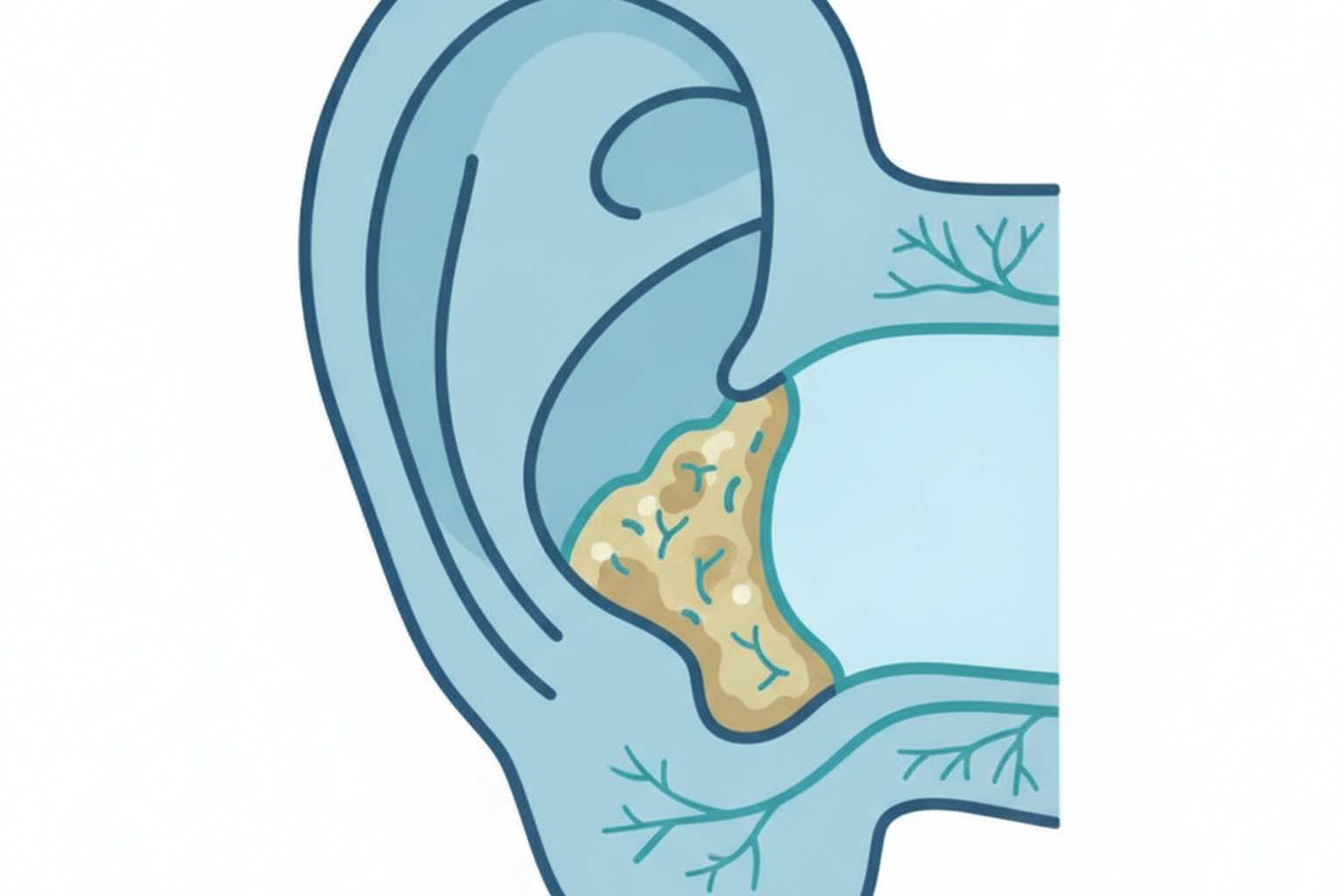
Earwax impaction occurs when that natural clearing process fails and wax becomes lodged deep inside the ear canal. Instead of working its way out, the wax packs down, hardens, and creates a blockage that partially or fully seals the canal. The result is a plugged sensation and, often, a noticeable drop in hearing on the affected side.
Impacted cerumen is not a sign of poor hygiene. In fact, many people who clean their ears frequently actually make the problem worse by pushing wax deeper. It is a common condition that affects people of all ages, though it becomes more frequent with age because earwax tends to get drier and harder over time.
Symptoms of Earwax Impaction
Not every plugged ear means you have a wax blockage. But when several of the following symptoms show up together, earwax impaction is a likely culprit:
| Symptom | Description |
|---|---|
| Fullness or pressure | A persistent feeling of fullness or pressure in one or both ears |
| Muffled hearing | Sudden hearing loss on one side |
| Ear pain or itching | Irritation inside the canal |
| Tinnitus | Ringing in the ear |
| Trapped sensation | A sensation that something is trapped inside the ear |
| Dizziness | Mild balance problems in some cases |
| Odor or discharge | If an infection develops behind the blockage |
Symptoms often come on gradually, which is why many people live with them for weeks before seeking help. If you have noticed a slow decline in hearing clarity on one side, especially after using cotton swabs or earplugs, impacted earwax may be the reason.
When earwax blockage responds to pressure changes, you may also notice popping, crackling, or a shifted feeling when you chew, yawn, or blow your nose. These sensations overlap with other ear conditions, so an evaluation from a provider is the most reliable way to confirm the cause. You can learn more about overlapping conditions in our related guide on how to unclog ears.
What Causes Earwax to Build Up?
Several factors can disrupt the ear's natural cleaning process and lead to earwax build-up. Understanding the cause helps you avoid repeat blockages down the road.
Narrow or hairy ear canals. Some people naturally have narrower canals or more hair inside them, which makes it harder for wax to exit on its own. This is partly genetic and becomes more common as hair growth increases with age.
Hearing aids and earplugs. Devices that sit inside the ear canal can block wax from working its way out. Regular hearing aid users are especially prone to impacted earwax and should have their ears checked periodically. If you wear hearing instruments, our services page covers routine care that includes wax checks.
Cotton swabs and ear candles. Inserting anything into the ear pushes wax deeper instead of removing it. Cotton swabs are one of the leading causes of impacted cerumen because they pack the wax against the eardrum. The safest ear cleaning approach is to wipe only the outer opening of the ear with a cloth.
Skin conditions and anatomy. Eczema, psoriasis, or narrow bony growths in the canal can trap wax. People with these issues may need occasional professional cleaning to prevent buildup from turning into a full blockage.
Aging. Over time, cerumen becomes drier and flakier, so it moves out of the ear more slowly. Older adults are more likely to experience wax impaction simply because the consistency of the wax changes.
How Earwax Impaction Affects Hearing
One of the most noticeable effects of impacted earwax is a sudden or gradual change in hearing. When wax fills the canal, sound has a harder time reaching the eardrum. The result is conductive hearing loss, a temporary reduction in hearing that clears up once the blockage is removed.
This type of hearing loss is different from permanent sensorineural loss caused by damage to the inner ear. With a wax blockage, hearing often returns to normal after cerumen removal. But while the impaction is present, you may struggle to follow conversations, need the TV louder, or feel like you are listening through a wall.
In some cases, a thick blockage presses against the eardrum and causes irritation. That can lead to tinnitus, mild dizziness, or discomfort that mimics other ear problems. If you already wear hearing aids, a wax blockage can also cause feedback, whistling, or a sudden drop in device performance because sound has nowhere to travel.
Because the symptoms of wax impaction overlap with other forms of hearing loss, a professional hearing evaluation is the best way to tell the difference. If you suspect your hearing has changed, our hearing tests provide a clear picture of what is going on.
Safe Earwax Removal Methods
Many home treatments used for earwax are gentle and effective for mild cases. The goal is to soften cerumen so the ear can clear it naturally, not to dig the wax out yourself.
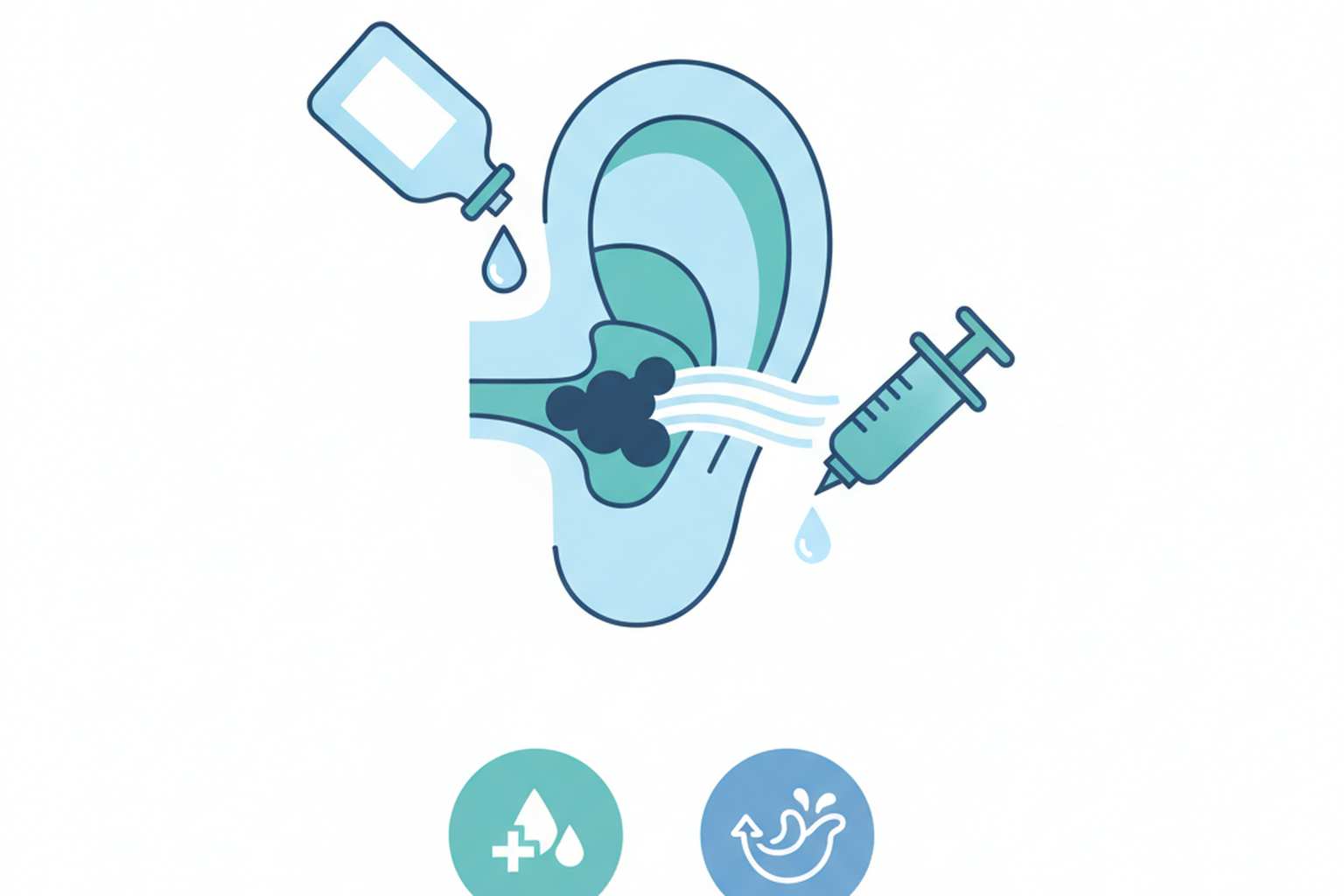
Ear drops and oils. Over-the-counter ear drops, mineral oil, baby oil, or hydrogen peroxide can soften hardened wax. Place a few drops in the ear while lying on your side, wait several minutes, then drain and wipe the outer ear. Softening wax is often enough for minor buildup.
Irrigation kits. Ear syringing with a gentle bulb syringe and warm water can flush out softened wax. Use only body-temperature water to avoid dizziness, and never irrigate if you have a hole in your eardrum or recent ear surgery.
What to avoid. Cotton swabs, bobby pins, and ear candles push wax deeper and risk serious injury to the eardrum or canal. These methods cause far more harm than good and are a leading reason people end up needing professional cerumen removal.
Professional removal. When wax is deeply impacted, painful, or stuck against the eardrum, a healthcare provider can remove it safely. Methods include gentle irrigation, curettage with a small loop tool, or microsuction under direct view. A doctor or hearing specialist can usually clear a stubborn blockage in a single visit.
For more on safe daily habits, our guide to how to clean ears covers what to do and what to leave alone.
When to See a Hearing Specialist
Most minor wax buildup clears on its own or with simple ear drops. But certain signs mean it is time to visit a clinic rather than keep trying home care:
| Warning Sign | What It Indicates |
|---|---|
| Pain that worsens or spreads | Infection may be developing behind the blockage |
| Hearing loss persists | Does not improve after a few days of softening drops |
| Fluid, blood, or foul odor | Possible infection or eardrum damage requiring immediate care |
| Dizziness or balance problems | Blockage may be affecting the inner ear |
| Prior eardrum rupture or surgery | Home removal is unsafe with this history |
| Child or older adult | Cannot easily communicate discomfort, needs professional check |
If earwax blockage is left in place too long, it can trap moisture and bacteria behind it, which may lead to an outer ear infection. That adds pain, swelling, and discharge to the original problem. Our article on ear infection in adults explains how those infections develop and when they need treatment.
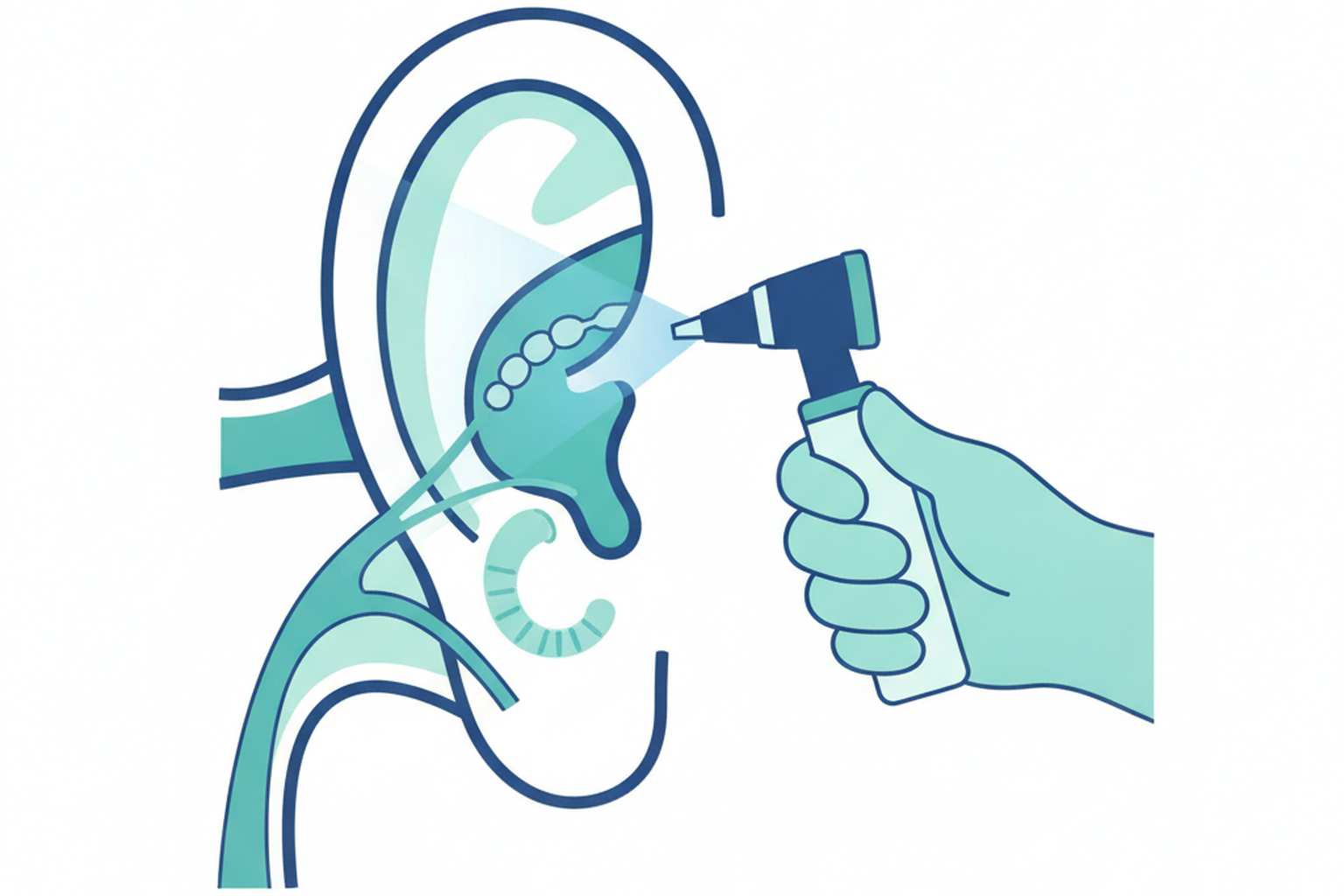
For patients in the Wesley Chapel area, a local visit makes the process simple. A specialist at our Wesley Chapel location can examine the ear with an otoscope, confirm whether wax is the real issue, and remove it safely in one appointment. You do not need a referral, and an evaluation takes only a few minutes.

Preventing Earwax Build-up
Prevention is mostly about what not to do. The ear is designed to manage its own wax, and most impactions happen because something interfered with that process.
- Do not insert cotton swabs, fingers, or other objects into the ear canal
- Clean only the outer opening of the ear with a warm, damp cloth
- Use ear drops or oil once a week if you are prone to dry, hard wax
- Have your ears checked a few times a year if you wear hearing aids daily
- Avoid ear candles, which are ineffective and can cause burns or injury
- Keep earplugs and hearing aids clean to reduce wax trapping
If you have had impacted earwax before, you are more likely to get it again. A short routine of occasional softening drops, combined with regular checkups, is usually all it takes to stay ahead of the problem. Patients who wear hearing instruments benefit most from a quick wax check at each follow-up visit, since devices can turn a small amount of wax into a full blockage over time.
Frequently Asked Questions
Mild cases respond to softening ear drops or oil followed by gentle irrigation with warm water. For deeper or harder blockages, a healthcare provider can perform cerumen removal using irrigation, a curette, or microsuction. Avoid cotton swabs and ear candles, which push wax deeper and risk injury to the eardrum.
Without treatment, an impaction can last weeks or longer because the ear cannot push out hard, packed wax on its own. With softening drops, mild cases may clear in a few days. A professional removal typically resolves the problem in a single visit, with hearing returning to normal right away.
Common signs include a feeling of fullness, muffled hearing, ear pain, ringing, and a sensation that something is plugged inside the ear. If symptoms affect one side and came on after using cotton swabs or earplugs, wax impaction is a strong possibility. A provider can confirm the cause with a quick otoscopic exam.
Most people describe a blocked, plugged, or full sensation in the ear, often paired with muffled hearing and mild pressure. Some feel ringing, itching, or a slight ache. The feeling can shift when you chew or move your jaw, which helps distinguish it from fluid or sinus-related ear pressure.
Softening drops and gentle irrigation are safe for most adults with no history of eardrum injury or ear surgery. Anything that enters the canal, such as swabs or candles, is not safe and often causes the problem you are trying to fix. If you are unsure, a hearing specialist can remove wax quickly and safely.
No. The hearing loss from a wax blockage is conductive and temporary. Once the cerumen is removed, hearing usually returns to its previous level. However, a long-standing blockage can hide an underlying permanent loss, so a hearing test after removal is a good idea if your hearing does not fully recover.
References
- American Academy of Otolaryngology. "Earwax and Care." enthealth.org.
- National Institute on Deafness and Other Communication Disorders. "Ear Infections and Earwax." NIDCD, NIH.
- Cleveland Clinic. "Earwax Buildup and Blockage." my.clevelandclinic.org.
- Mayo Clinic. "Earwax Blockage: Symptoms and Causes." mayoclinic.org.
- Roland, P. S., et al. "Clinical practice guideline: Cerumen impaction." Otolaryngology-Head and Neck Surgery, 2017.
- Ear to Hear Online. "Hearing Tests and Cerumen Removal Services." eartohearonline.com.
Ready to get relief from earwax impaction? Schedule a free hearing test or call us at (813) 345-8135. Our licensed specialists can remove wax safely in one visit.