
Key Takeaways
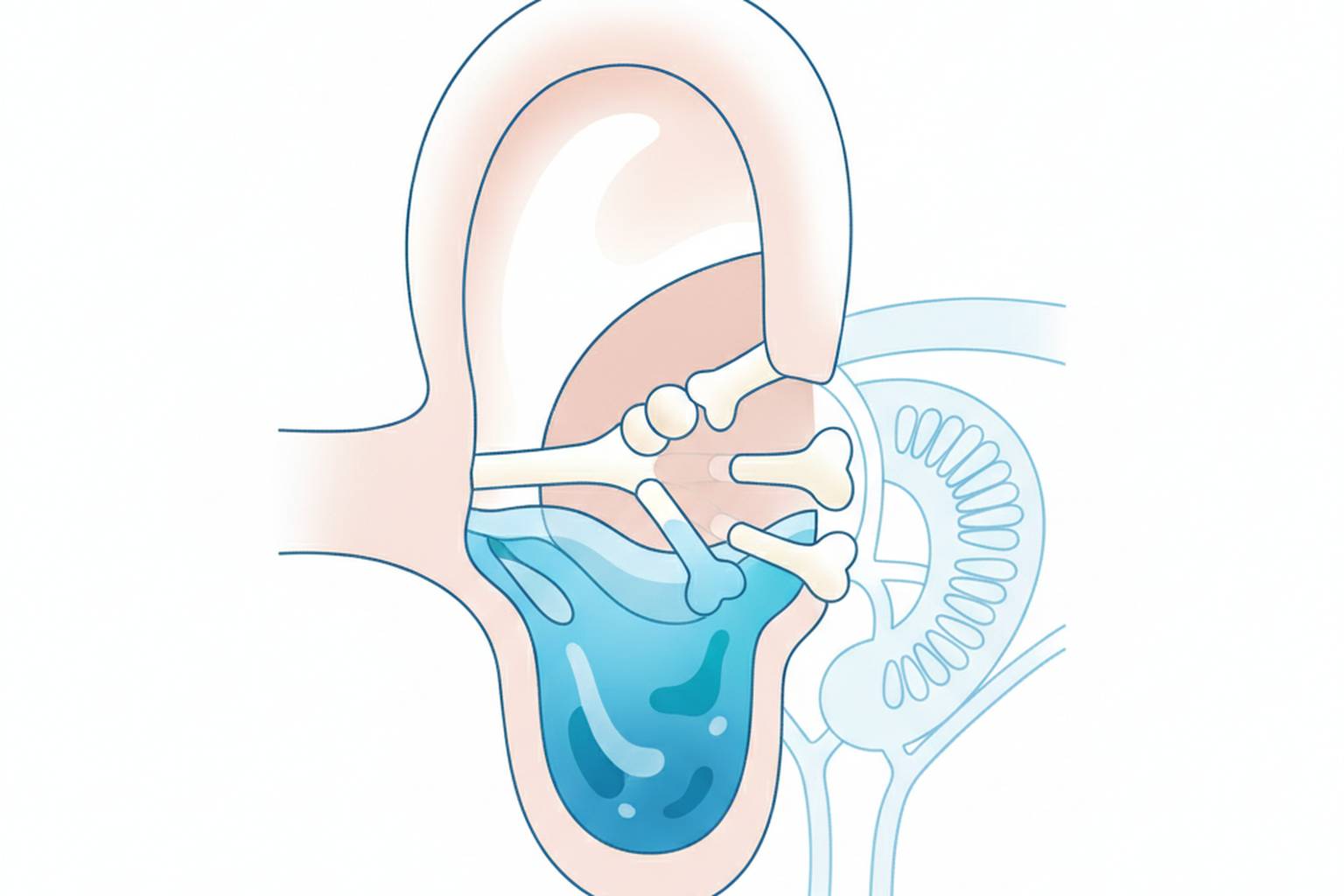
- Fluid in the ear often comes from infections, Eustachian tube dysfunction, allergies, or water trapped after swimming.
- Muffled hearing, a full or clogged feeling, ear pressure, and popping sounds are the most common symptoms.
- Most middle ear fluid clears on its own within a few weeks without antibiotics.
- The Valsalva maneuver, warm compresses, steam, and nasal sprays can help the ear drain naturally.
- Never insert cotton swabs into the canal, because they push wax deeper or can rupture the eardrum.
- Fluid lasting more than a few weeks, or causing pain or hearing loss, needs a specialist exam. Call (813) 345-8135.
What Does Fluid in the Ear Feel Like
Fluid trapped in the ear is one of the most common problems our team at Ear to Hear treats, and the right hearing aids and prompt care protect both your comfort and your hearing. Whether fluid sits in the outer canal or behind the eardrum, that clogged feeling disrupts hearing, balance, and sleep. Most cases clear on their own, and when they do not, a specialist can remove fluid quickly.
Below we explain what causes fluid to build up, the warning signs that need professional attention, and safe steps you can take at home.
Fluid in the ear feels like something is blocking the canal. Sounds become muffled. Many people describe a full, plugged sensation, or water sloshing when they tilt their head.
You may notice popping when you swallow or chew, plus a faint echo of your own voice. Mild dizziness can happen, because the inner ear shares nerves that control balance. If infection is involved, throbbing pressure worsens when you lie down.
Common Causes of Fluid in the Ear
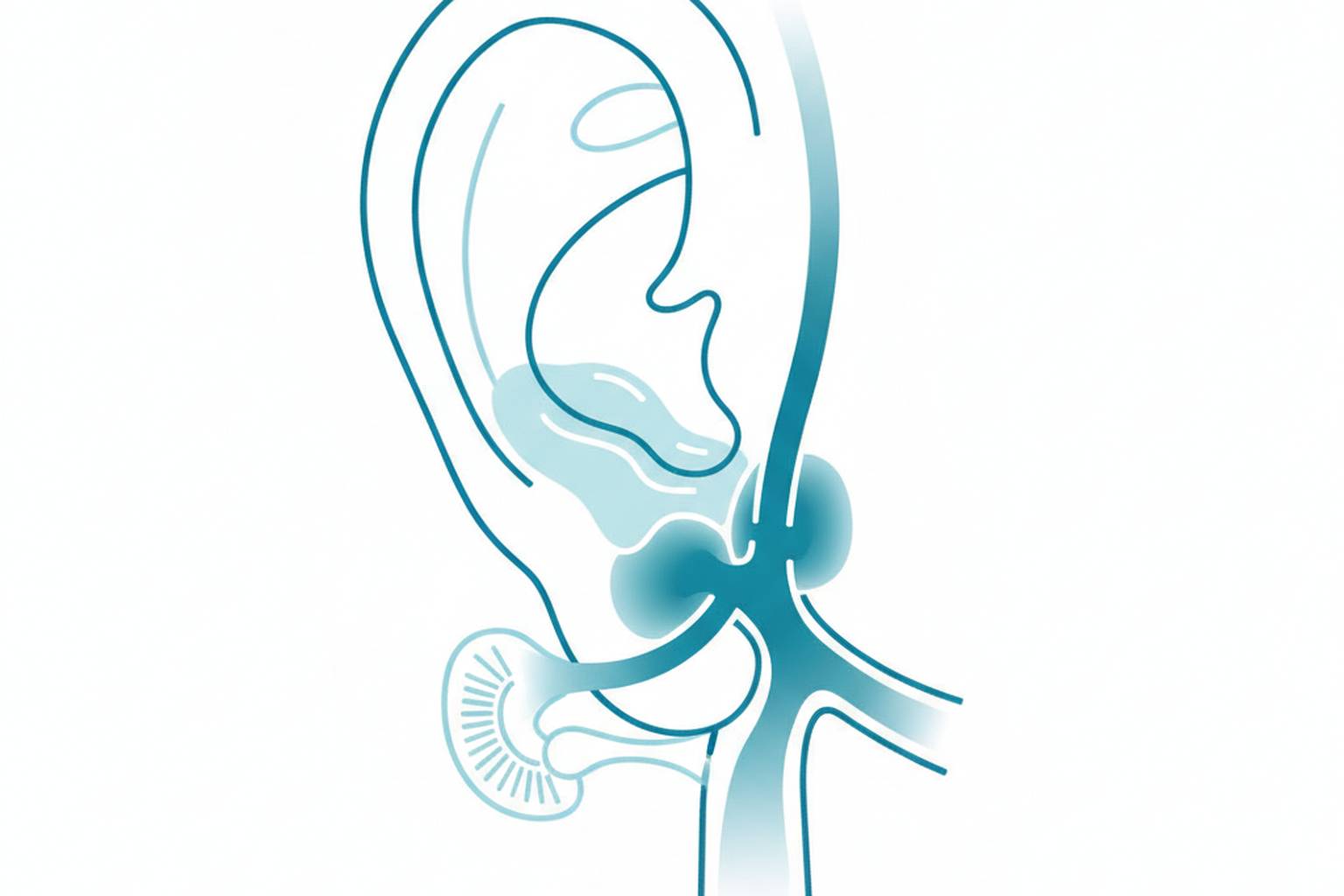
Fluid collects in two places: the outer canal, where water gets trapped after swimming, and the middle ear, the air-filled space behind the eardrum. Middle ear fluid, called effusion, builds up when the Eustachian tube that vents the ear becomes blocked.
A cold, sinus infection, or allergy attack is the most frequent trigger. The tube lining swells shut, and the middle ear fills with fluid it cannot drain. Children get fluid more often because their tubes are shorter and more horizontal. Flying, enlarged adenoids, smoke exposure, and reflux also play a role.
Middle Ear Fluid vs Outer Ear Fluid
Knowing where the fluid sits changes the treatment. Middle ear fluid sits behind an intact eardrum, so drops never reach it. Only opening the Eustachian tube, or a professional procedure, clears it.
Outer ear fluid is water or discharge in the canal itself, and often improves once the ear air dries. Thick, yellow, or foul smelling fluid may be discharge from a ruptured eardrum, which needs a specialist visit. An otoscope exam tells the difference in a minute.
How to Drain Fluid From Your Ear at Home
Most cases improve with simple techniques that reopen the Eustachian tube. Try these in order and stop if any cause pain. Our guide on how to get rid of fluid in your ear covers these methods in more depth.
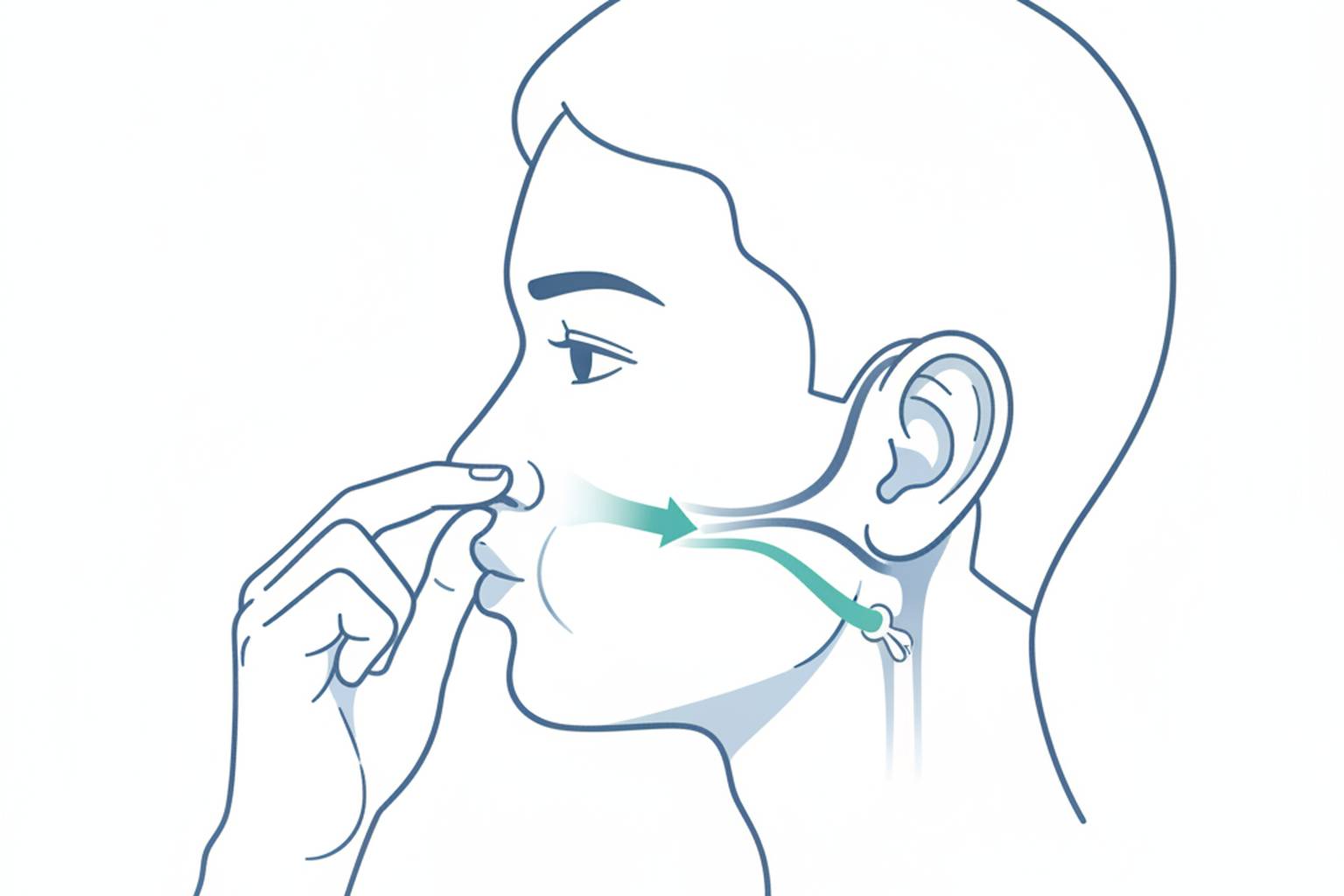
- Valsalva maneuver: pinch your nose, close your mouth, and blow gently until the ear pops. Never force it.
- Toynbee maneuver: pinch your nose and swallow, which pulls the tube open.
- Steam: 10 minutes of steam or a warm shower softens congestion.
- Warm compress: hold a warmed cloth against the ear for 15 minutes.
- Decongestant sprays: over-the-counter sprays shrink swollen tissue for up to three days.
- Antihistamines: these help when allergies drive the swelling.
For water in the canal, tilt your head and tug the earlobe, then let gravity work. A hair dryer on low, held a foot away, speeds drying.
What Not to Do: Mistakes That Make It Worse
Cotton swabs top the list. They compact wax into a plug, push trapped water deeper, and can rupture the eardrum. Ear candling is another no. The FDA warns against it, because burns are common and it removes no fluid.
Avoid leftover drops or antibiotics. Drops for outer infections do nothing for middle ear fluid, and misused antibiotics breed resistance. Do not ignore fluid that follows a cold for weeks, because effusion can thicken into glue ear that resists drainage.
When to See a Specialist for Trapped Fluid
Schedule an exam if fluid has not drained after two to three weeks, if pain worsens, or if hearing loss affects daily conversations. Fluid in one ear only, with no cold or allergy to explain it, also deserves a check.
Seek same-day care for high fever, severe pain, sudden hearing loss, or discharge with blood. You can schedule an appointment online, or call (813) 345-8135 to be seen this week.
How We Diagnose Ear Fluid at Ear to Hear
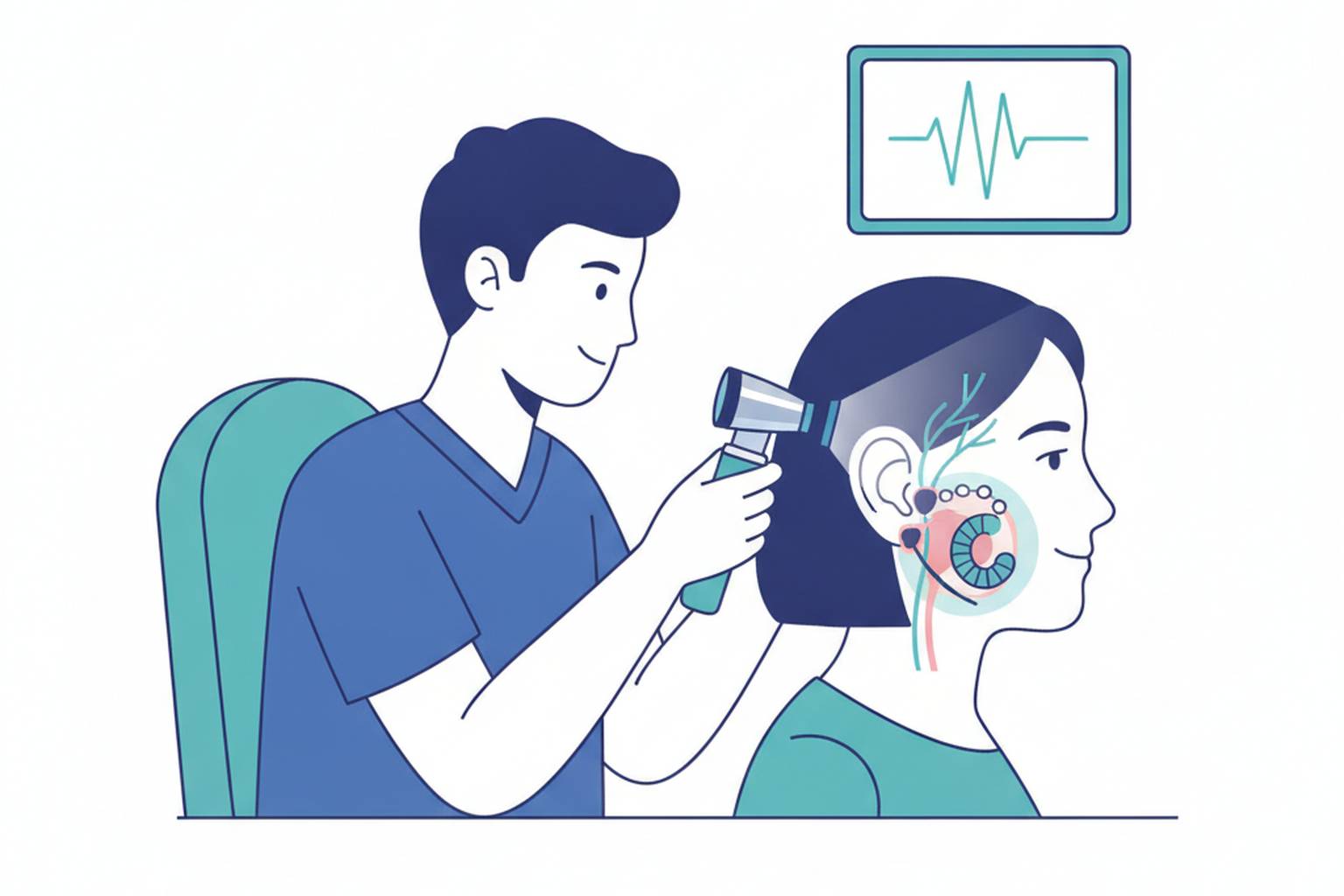
Our process is quick and painless. We review your symptoms and recent illnesses, then examine the eardrum with an otoscope. A fluid-filled middle ear often looks amber or cloudy instead of pearly gray.
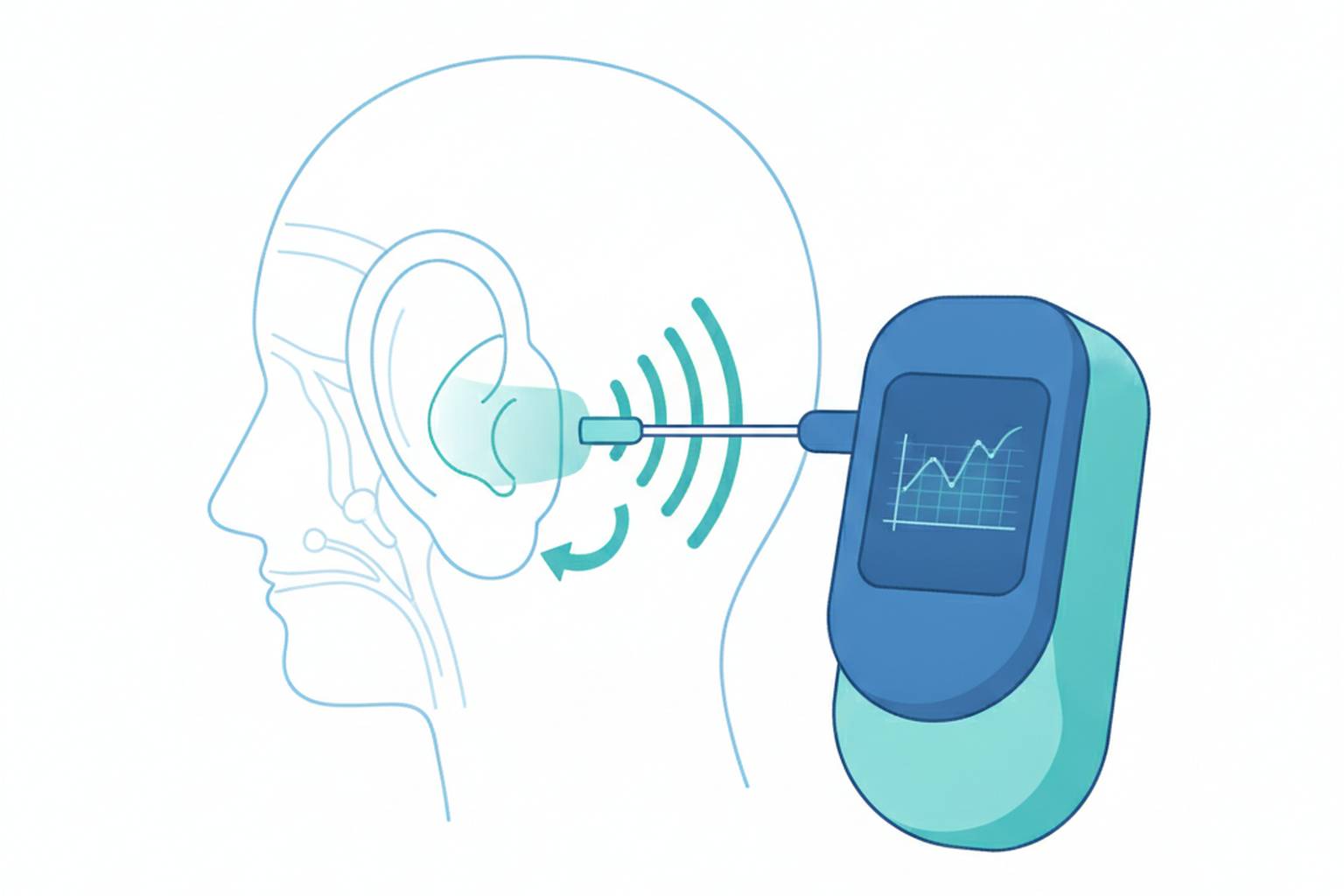
Next, tympanometry pushes a small amount of air against the eardrum and measures its movement. Fluid stops the eardrum from moving, so the machine draws a flat line. If hearing feels muffled, hearing tests show how much the fluid is dulling sound.
Professional Treatments That Clear Stubborn Fluid
When fluid refuses to drain, professional treatment works fast. For repeat infections with thick fluid, an ENT surgeon may place tympanostomy tubes, tiny cylinders that vent the middle ear through the eardrum.
For adults with persistent effusion, a myringotomy, a small incision in the eardrum, lets fluid drain before the cut heals. If allergies or sinus problems keep the tube swollen, prescription nasal sprays stop fluid from returning. Rarely, thickened glue ear needs suction removal under a microscope.
Fluid in the Ear and Hearing Loss: What Happens If You Wait
Trapped fluid causes conductive hearing loss, meaning sound cannot pass through the middle ear. Most adults recover fully once the fluid drains, but waiting months carries costs.
Long-term muffled input forces you to strain through conversations, which tires the brain. In children, weeks of muffled sound can delay speech, so pediatric fluid is treated faster.
Fluid in Ear in Children vs Adults
Children collect middle ear fluid far more often than adults. By age three, most have had at least one ear infection with fluid. Their short, horizontal tubes drain poorly.
Signs in young children are easy to miss. Watch for ear tugging, trouble sleeping, louder tv volume, and a dip in speech clarity. Adults get fluid mostly after colds, allergies, or pressure changes, and recurring one-sided fluid in an adult needs imaging.
Eustachian Tube Dysfunction and Chronic Fluid
When fluid keeps returning, the Eustachian tube is usually the culprit. Dysfunction means the tube stays closed, so the middle ear never vents and fluid collects after every cold. It can last months.
Diagnosis starts with ruling out why the tube stays shut: allergies, chronic sinusitis, enlarged adenoids, or reflux. Treating those often restores tube function. Our guide to Eustachian tube dysfunction covers the full treatment ladder.
Swimmer's Ear vs Middle Ear Fluid
Swimmer's ear, or otitis externa, is an infection of the outer canal that often starts with trapped water. Middle ear fluid sits behind the eardrum and never comes from pool water.
Swimmer's ear itches first, then turns painful as the canal swells. Touching the ear hurts. Middle ear fluid does not itch, does not hurt to the touch, and muffles sound instead. Our guide to swimmer's ear treatment explains prevention.
Can Allergies Cause Fluid in Your Ears
Yes, and it happens more than most people expect. Allergies trigger histamine release that swells the lining of the nose and the Eustachian tube opening. The swollen tube cannot vent the ear, and fluid builds up without infection.
Allergy-driven ear fluid often shifts with the seasons, returning every spring with pollen. The fix is twofold: control the allergy with sprays or antihistamines, then drain the fluid once the tube reopens.
How Long Does Fluid in the Ear Last
Most middle ear fluid clears within two weeks without treatment, and about 90 percent of cases resolve within a month. Fluid after a severe infection can linger six weeks.
Water in the outer ear usually drains within hours to a day. Time alone does not help once fluid becomes glue ear, the thick, sticky stage, so muffled hearing past three weeks needs an exam.
Preventing Fluid Buildup in the Future
Prevention targets the tube. Treat colds and allergies early so the tube never stays swollen long enough to trap fluid. If you get ear fluid after flights, use a decongestant spray before landing and chew gum during descent.
For swimmers, fitted plugs keep water out while still letting you hear. Device wearers should also have their fit checked, and our pages on behind the ear hearing aids, rechargeable hearing aids, and Bluetooth hearing aids cover moisture-friendly options.
How Ear to Hear Can Help With Fluid in Your Ear
Our licensed specialists diagnose fluid fast with otoscopy, tympanometry, and hearing testing, often in one visit. We confirm where the fluid sits and how much your hearing has dulled, then build a plan: watchful waiting, medical treatment, or referral for tubes.
If fluid has affected your hearing, we test before and after treatment so you know you have recovered. Our full range of hearing care services covers everything from ear exams to device fitting. Call (813) 345-8135 or schedule a free hearing test at a location near you.
Frequently Asked Questions
Try the Valsalva maneuver first: pinch your nose, close your mouth, and blow gently until the ear pops. Add steam, warm compresses, and short-term decongestant sprays. If fluid remains after two to three weeks, see a licensed specialist, because middle ear fluid cannot be reached by drops.
Non-infectious fluid comes from Eustachian tube blockage. Colds, allergies, sinus pressure, and flying all swell the tube so the middle ear cannot vent. This condition, otitis media with effusion, often follows a cold and lingers after it resolves, with muffled hearing as the main symptom.
Most people describe a full, plugged sensation with muffled hearing, like wearing an earplug. You may hear popping when you swallow, notice an echo of your own voice, or feel fluid shift when tilting your head. Infection adds throbbing pressure.
True inner ear fluid, as in Meniere's disease, cannot be drained by popping the ears. Middle ear fluid behind the eardrum is what most people mean, and it clears with tube-opening techniques and time. Dizziness with roaring tinnitus suggests an inner ear problem that needs a specialist exam.
References
- American Academy of Otolaryngology. "Ear Infection and Hearing." ENT Health, 2024.
- National Institute on Deafness. "Ear Infection (Otitis Media)." NIH, 2023.
- Rosenfeld RM, et al. "Otitis Media with Effusion Guideline." Otolaryngology Head and Neck Surgery, 2016.
- American Academy of Family Physicians. "Otitis Media with Effusion." 2023.
- Mayo Clinic. "Ear Infection (Middle Ear)." 2024.
Fluid in your ear that will not clear? Schedule a free hearing test or call us at (813) 345-8135.