
Key Takeaways
- Otosclerosis is an inherited disease that causes abnormal bone growth around the stapes, the smallest ear bone in the middle ear.
- The main symptom is gradual hearing loss in one ear that spreads to both ears over years.
- Tinnitus affects up to half of patients, and mild dizziness appears in some cases.
- Pregnancy hormones can speed the progression, so the condition often worsens after each pregnancy.
- A hearing test with tuning forks reveals the conductive pattern that defines otosclerosis.
- Treatment works: modern hearing aids or stapes surgery restore functional hearing for most patients.
Otosclerosis is a condition of abnormal bone growth in the middle ear, and our team at Ear to Hear diagnoses it regularly in adults who notice gradual hearing loss in one ear. When that extra bone fixes the stapes, the smallest ear bone in your body, sound stops traveling cleanly to the inner ear. The right hearing aids or a surgical fix can restore most of that hearing, which is why an accurate diagnosis matters.
This inherited bone disease tends to run in families and affect both ears over time. It strikes most often between ages 20 and 45, and it progresses faster during pregnancy. This guide covers the symptoms, the inheritance pattern, the diagnosis, and every treatment option, from hearing aids to stapes surgery.
What Is Otosclerosis?
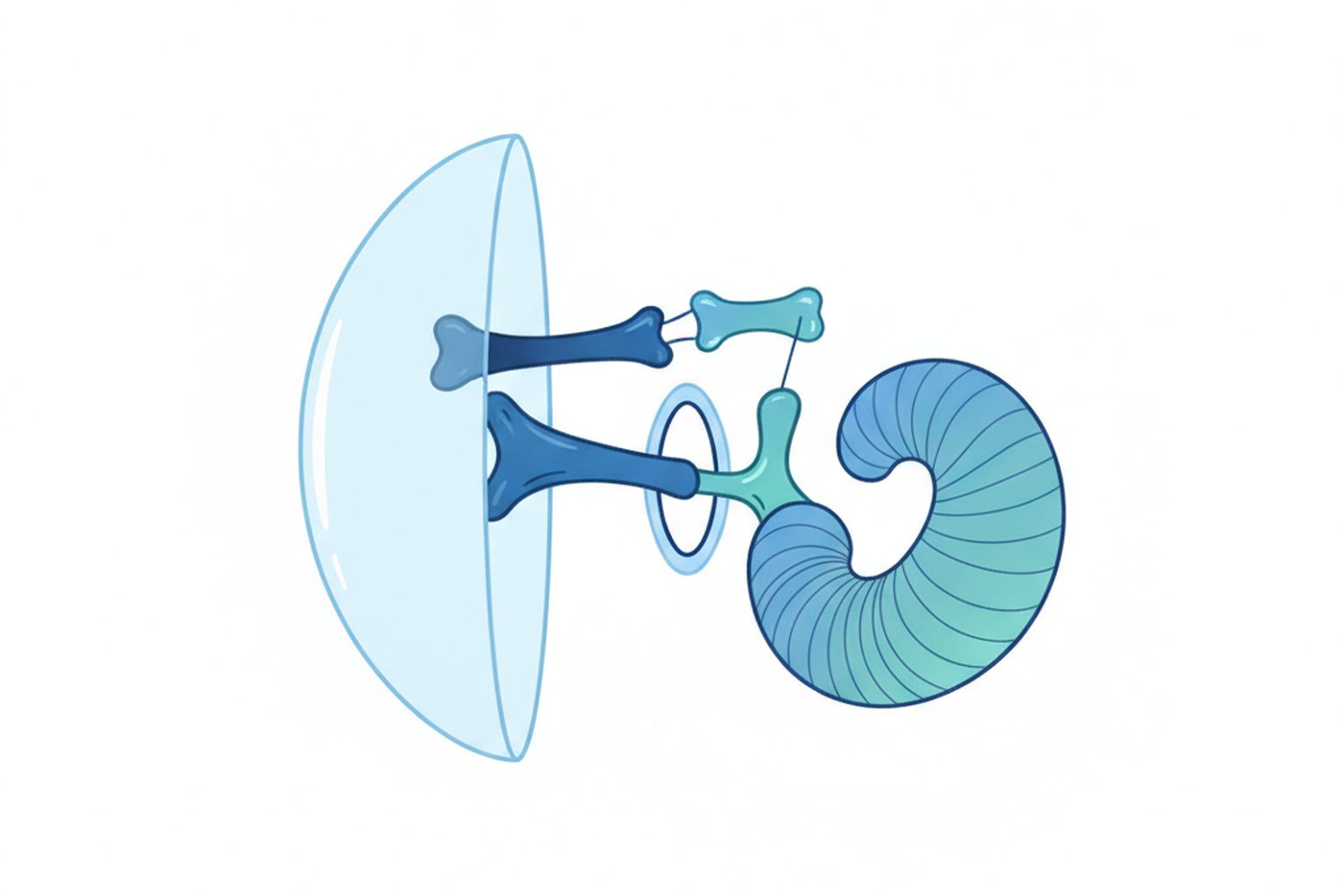
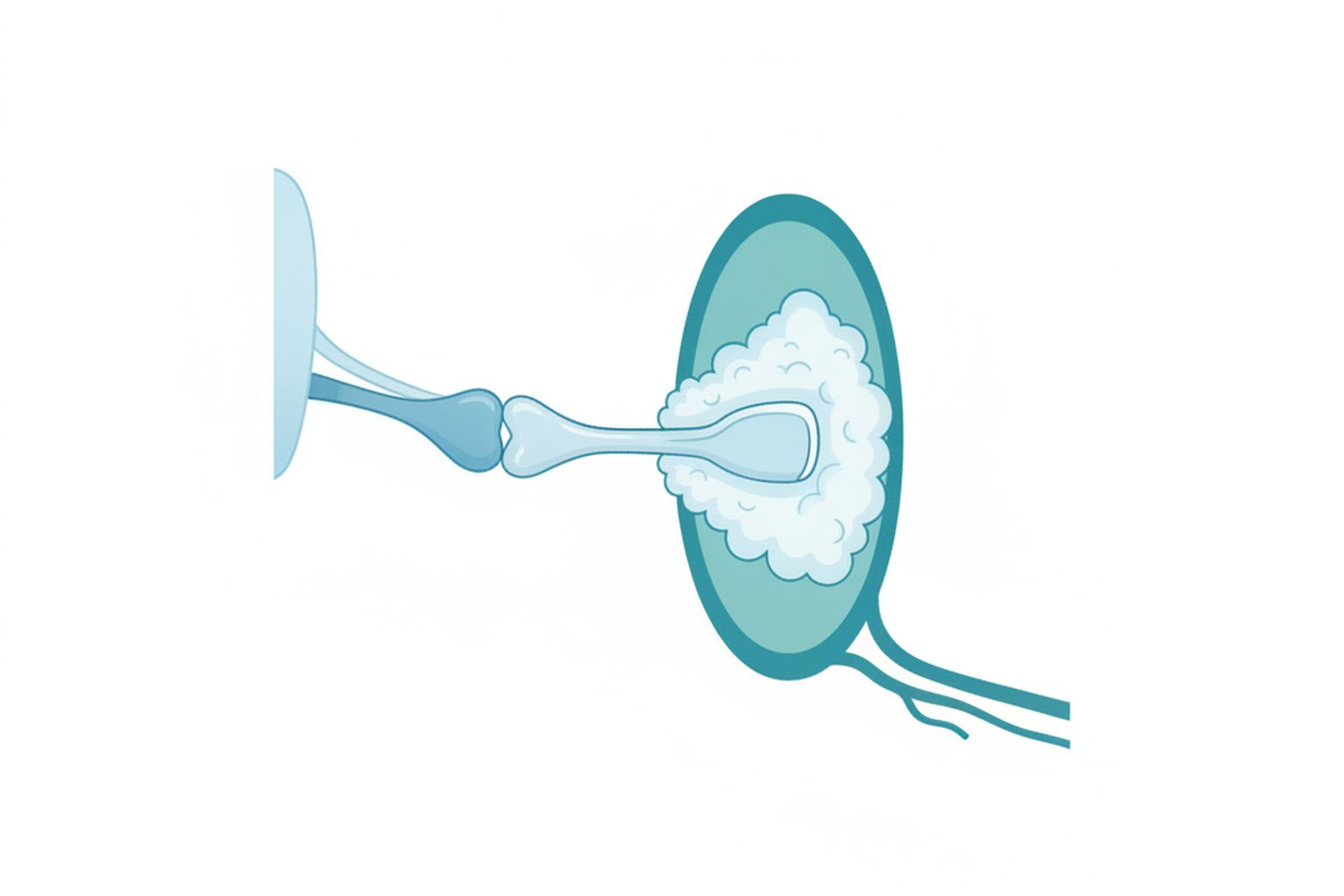
Otosclerosis is an early adult-onset disease that progresses slowly. The bony capsule around your inner ear, normally the densest bone in the human body, starts remodeling itself abnormally. Soft new bone grows around the oval window and the stapes footplate, the base of the stirrup-shaped ear bone.
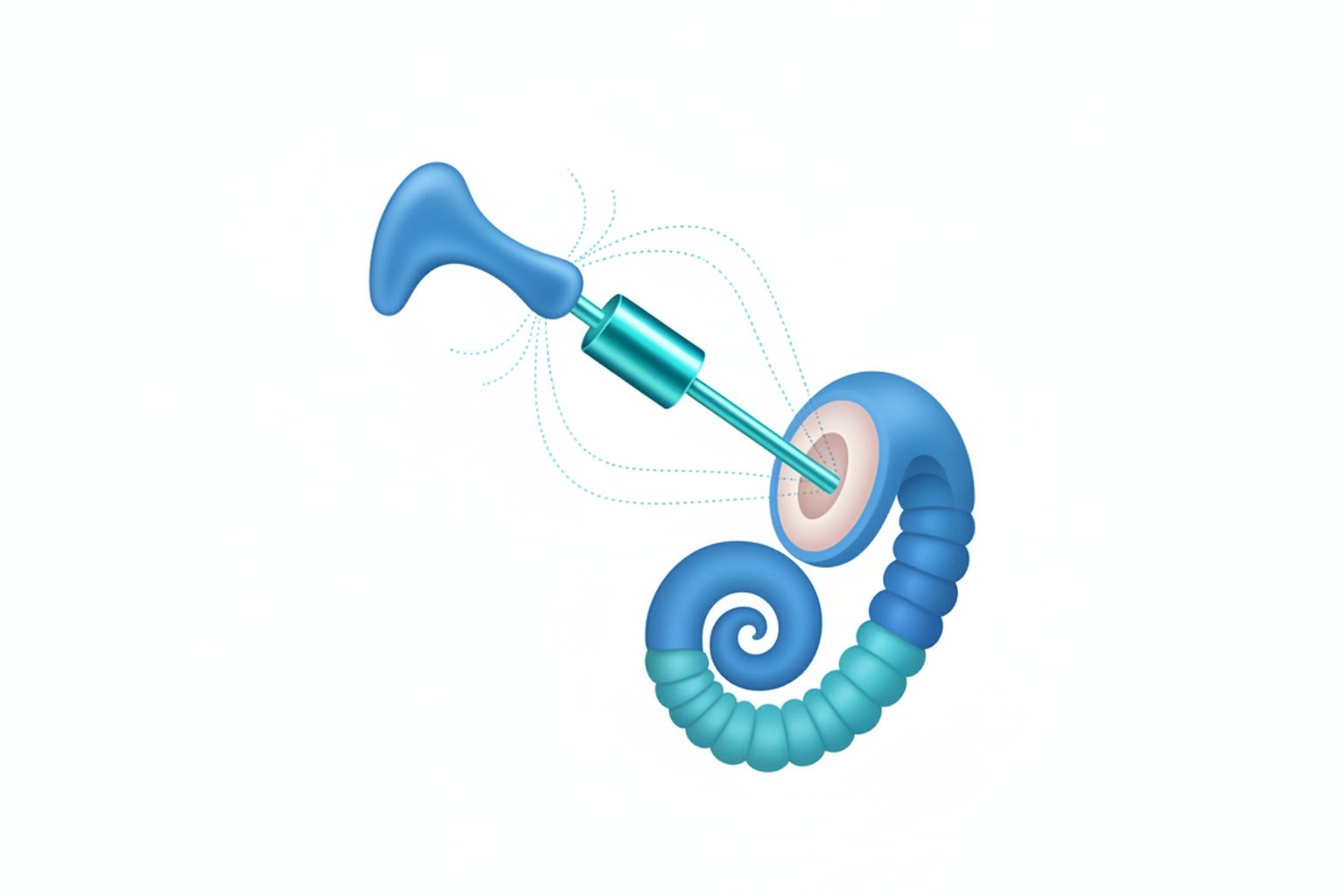
The stapes is the third of three tiny bones, or ossicles, that carry sound vibrations from your eardrum to the inner ear. When otospongiotic bone anchors the stapes footplate in place, the chain of vibration freezes. Sound bounces back instead of reaching the cochlea, producing conductive hearing loss, a mechanical blockage rather than nerve damage.
If the abnormal bone growth extends into the cochlea itself, the condition becomes cochlear otosclerosis. This form adds sensorineural hearing loss on top of the mechanical blockage, and it is less common but more serious.
What Causes Otosclerosis?
The exact cause remains an open research question, but the evidence points to a genetic disease with environmental triggers. It is best understood as an inherited disease that affects the temporal bone.
Genetics and Family History
Otosclerosis runs in families in an autosomal dominant pattern, meaning one copy of the changed gene from a single parent can cause the disease. If one parent carries the gene, each child has roughly a 50 percent chance of inheriting it.
Not everyone who inherits the gene develops symptoms. About 40 percent of carriers never notice hearing loss, called incomplete penetrance, so two relatives with the same gene can have different courses.
Hormonal and Environmental Factors
Estrogen is the strongest environmental trigger. The disease often accelerates during pregnancy, with each pregnancy tending to deepen the hearing loss. This explains why women with otosclerosis often report their hearing dropped after a pregnancy.
The measles virus has been studied as another trigger, because otospongiotic bone contains measles-related proteins in some studies. Measles vaccination programs have also coincided with falling otosclerosis rates.
Who Gets Otosclerosis?
Otosclerosis is often described as a disease of young adults. Symptoms typically begin between ages 20 and 45, with peak onset in the late twenties and early thirties. Hearing loss that starts in this age range, without noise exposure or infection, raises suspicion for otosclerosis.
Women are affected about twice as often as men, largely because of the pregnancy link. Both ears are involved in about 80 percent of cases, though one side usually leads. That one-ear-first pattern is a signature of the disease.
Symptoms of Otosclerosis
The symptoms develop so gradually that many patients cannot say when their hearing began to fade. Our specialists ask patients to watch for this cluster of signs.
Gradual Hearing Loss
The hallmark symptom is slow, progressive hearing loss that starts in one ear. Conversation becomes harder to follow, especially in noise. Voices sound muffled, like hearing through a wall. Over years, the second ear follows the first.
Low frequencies usually drop first, which makes deep male voices harder to hear than higher female voices. Many patients say they first noticed trouble hearing whispers or soft consonants.
Tinnitus and Dizziness
Tinnitus affects up to half of otosclerosis patients. The ringing is usually low-pitched, hissing, or roaring, and it can precede the hearing loss by months. Tinnitus often worsens in quiet rooms and can disrupt sleep when loud. Our tinnitus guide covers hearing aids for tinnitus as a management option. About a quarter of patients also report mild dizziness.
Paracusis Willisi
Many otosclerosis patients hear conversation better in noisy places than in quiet ones, the opposite of most hearing loss. This is called paracusis Willisi. Loud speakers project with enough force to partially drive a fixed stapes, and experienced clinicians use this distinctive sign to narrow the diagnosis.
How Is Otosclerosis Diagnosed?
Diagnosis starts with a case history and an ear exam. The eardrum usually looks normal, which is itself a clue, since the disease hides behind an intact drum. Our specialists then run a hearing test battery to map the loss.
Tuning Fork Tests and Audiogram
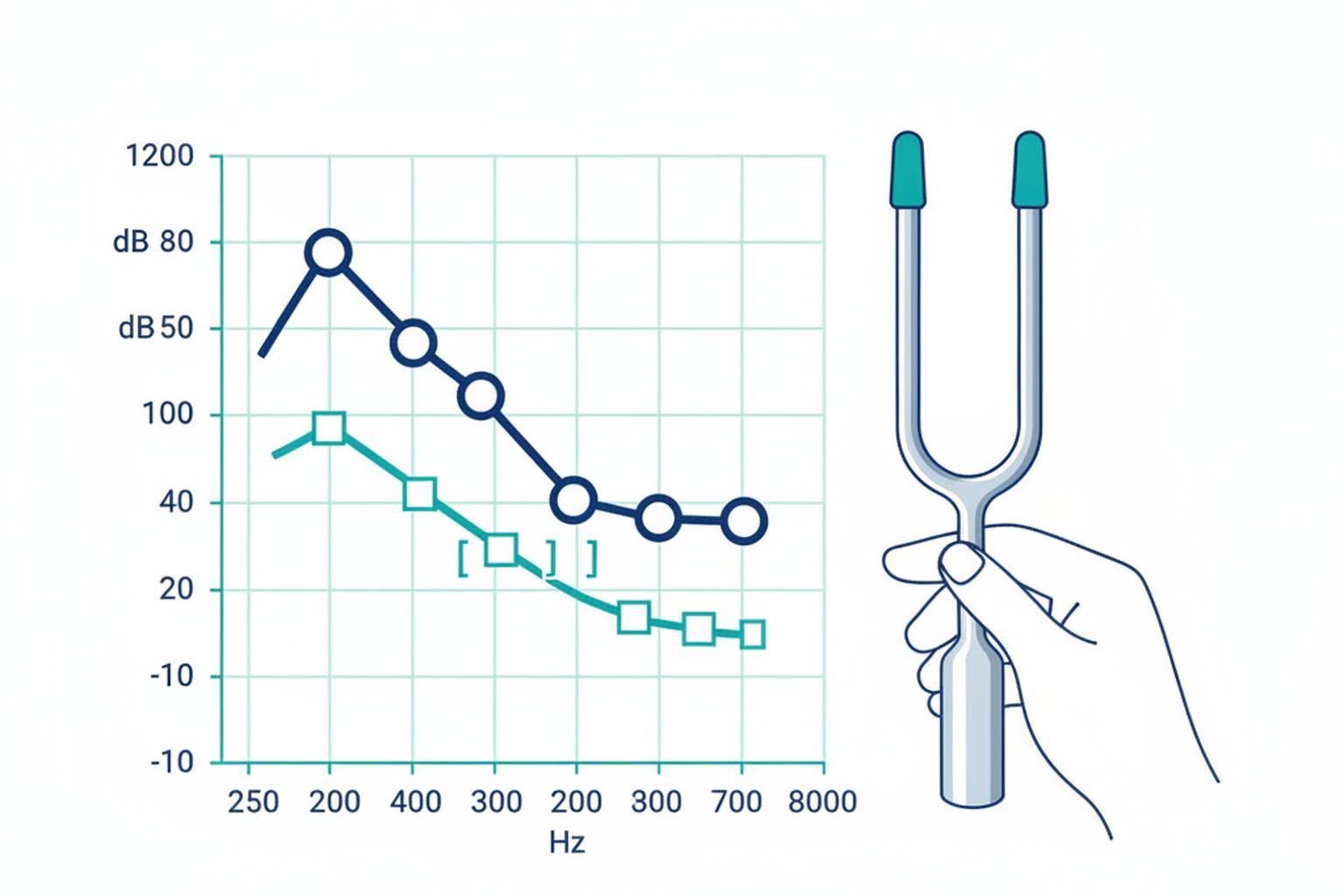
Tuning fork tests are the fastest bedside tool. In the Rinne test, a fork held in front of the ear canal is heard better than one pressed against the skull, the reverse of normal. The Weber test shows sound lateralizing to the affected ear.
The audiogram shows the classic pattern: an air-bone gap in low frequencies, where air-conducted sound scores worse than bone-conducted sound. A dip called the Carhart notch at 2000 Hz is a signature finding. As cochlear otosclerosis develops, the bone-conduction line drops too, revealing mixed hearing loss.
Imaging
A CT scan of the temporal bone can show the lytic or sclerotic bone changes around the oval window. Imaging is not required when the clinical picture is clear, but it confirms the diagnosis in unusual cases.
Otosclerosis Treatment Options
No medication stops otospongiotic bone growth. Fluoride was studied for decades with modest results and is rarely used today. Treatment comes down to three paths: watchful waiting, hearing aids, or stapes surgery.
Watchful Waiting
When the air-bone gap is small and hearing loss is mild, observation is reasonable. We recommend annual audiograms to track progression. Many patients stay in this stage for years, and some plateau permanently.
Hearing Aids for Otosclerosis
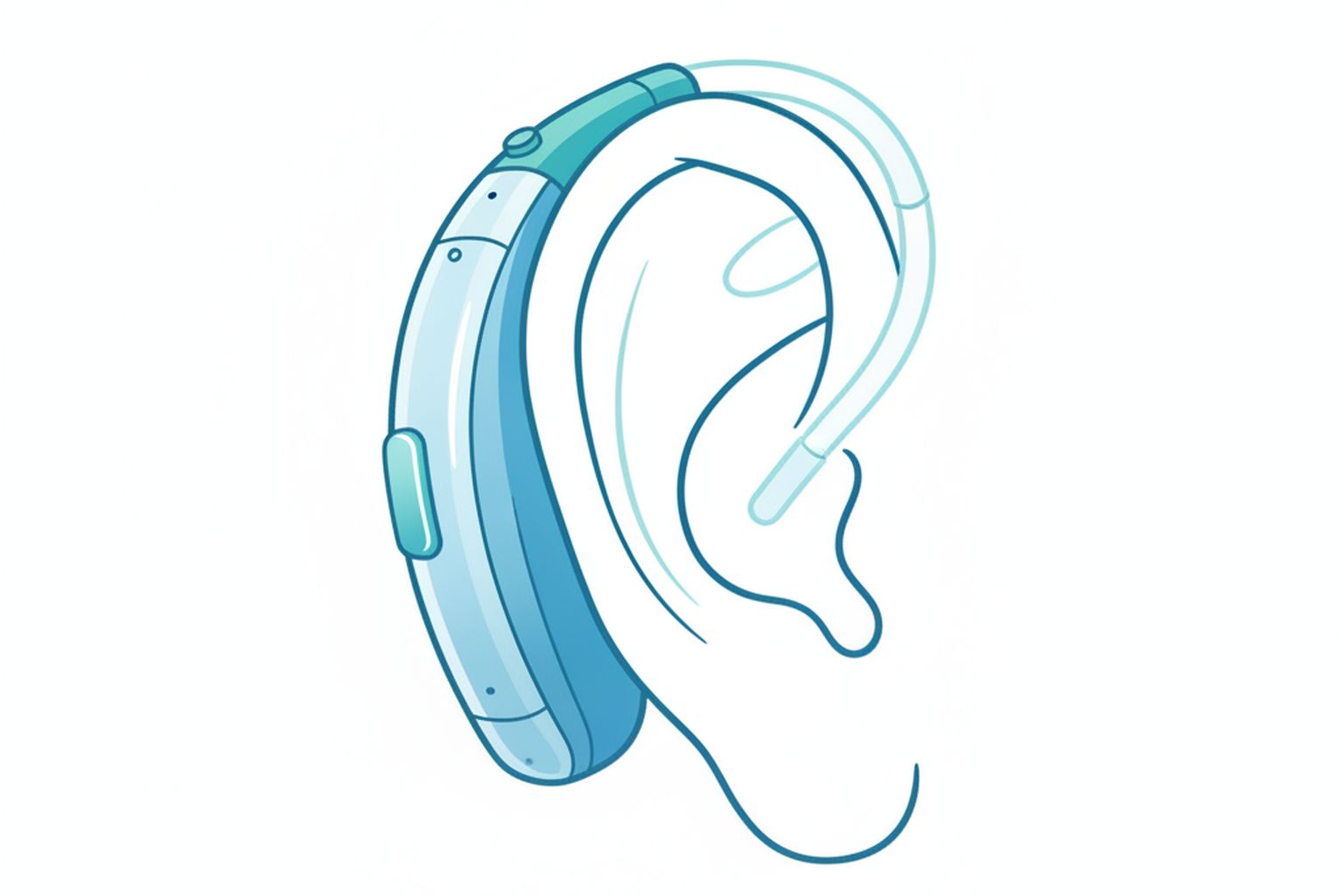
Hearing aids are the first treatment for most patients. Because the inner ear stays healthy in pure conductive otosclerosis, amplification works exceptionally well. Our licensed specialists fit behind the ear hearing aids and other styles, programmed to match the exact shape of the audiogram.
Modern devices add features that matter for this condition. Rechargeable hearing aids remove the battery hassle. Bluetooth hearing aids stream calls and media directly, which helps when phone conversation is the hardest listening situation.
The fitting matters as much as the device. Real ear measurement verification confirms amplified sound actually reaches the eardrum at prescription levels, and research consistently shows it outperforms first-fit programming.
Stapes Surgery
Surgery is the definitive mechanical fix. The procedure, called stapedectomy or stapedotomy, bypasses the fixed stapes. A tiny opening is made in the fixed footplate or the oval window, and a prosthesis reconnects the incus to the inner ear fluid.
Stapedotomy has largely replaced stapedectomy because it carries less risk to the inner ear. Results are strong: over 90 percent of ears end with hearing within 10 dB of normal, making it one of the most reliable operations in ear surgery.
Surgery carries real risks. There is a small chance of total hearing loss in the operated ear, reported at under 1 percent, plus risks of dizziness, taste disturbance, and facial nerve injury. The prosthesis can also shift years later. Many surgeons treat the worse ear first, since the second ear can be operated later.
Surgery does not stop the underlying bone disease. Cochlear otosclerosis can continue after a successful operation, which is why we monitor hearing annually even after surgery.
Cochlear Implants
When cochlear otosclerosis progresses to severe or profound hearing loss, hearing aids stop helping. A cochlear implant bypasses the damaged cochlea entirely, stimulating the hearing nerve directly. It is a proven last option that restores sound awareness and useful speech understanding.
Hearing Aids vs Surgery: How to Choose
The choice depends on the size of the air-bone gap, the health of the cochlea, your age, and your comfort with surgical risk.
| Factor | Hearing Aids | Stapes Surgery |
|---|---|---|
| Hearing result | Strong amplification, gap remains | Closes gap, near-normal hearing possible |
| Risk profile | Noninvasive, no surgical risk | Under 1 percent profound loss risk |
| Reversibility | Adjustable anytime | Prosthesis permanent |
| Cost | Ongoing device cost | One-time surgical cost |
| Best fit | Any gap size, any age | Larger gaps, healthy cochlea |
Younger patients with large air-bone gaps and healthy cochlear function are the strongest surgical candidates, because decades of near-normal hearing offset the one-time risk. Patients with small gaps, mixed loss, or surgical aversion do well with hearing aids and annual monitoring. The decision belongs to the patient after an honest risk conversation.
Does Otosclerosis Get Worse Over Time?
Yes, otosclerosis is progressive, but the pace varies enormously. The conductive gap usually deepens slowly over five to fifteen years before stabilizing. Cochlear involvement, when it happens, adds a nerve component that progresses independently.
The disease often quiets with age. Progression slows after 50 in many patients, and complete deafness from otosclerosis alone is rare when the condition is managed. Pregnancy is the biggest accelerator, so women planning families benefit from early baseline audiograms.
Living Well With Otosclerosis
Hearing loss in your twenties or thirties is disorienting in a way age-related loss is not. Work meetings, dating, and young families all demand sharp hearing, and the gradual fade makes people doubt themselves before they seek help. Our experienced specialists spend real time on coping strategy, because it is part of treatment.
Communication tactics carry real weight. Positioning yourself so the better ear faces the speaker, choosing quiet tables, and using captions on video calls each buy back clarity. Partners who understand the loss also stop mistaking it for indifference. Bluetooth streaming from phone to hearing aid delivers a clear signal that room acoustics cannot ruin.
When to See a Specialist
See a licensed specialist if you notice gradual hearing loss in one ear, persistent low-pitched tinnitus, muffled hearing that friends comment on, or better hearing in noisy places than quiet ones. Sudden hearing loss is a medical emergency that needs evaluation within days.
An accurate diagnosis protects you from wrong turns. A fixed stapes mimics other conditions, including earwax impaction and middle ear fluid, and each needs different treatment.
If you suspect otosclerosis, call our team at (813) 345-8135 or schedule an appointment. We provide diagnostic hearing care services across Florida, Illinois, and Missouri, including full audiograms, real ear measurement, and tinnitus evaluation.
Concerned About Your Hearing?
Our licensed specialists at Ear to Hear diagnose otosclerosis with a full hearing evaluation and guide you through every treatment option. Schedule a free hearing test.
How Ear to Hear Can Help
Our team at Ear to Hear has diagnosed and managed otosclerosis across hundreds of patients in Florida, Illinois, and Missouri. We start with a full diagnostic workup: case history, ear exam, tuning fork tests, and a complete audiogram. When the pattern points to otosclerosis, we walk you through the hearing aid and surgery decision with honest numbers.
We fit every major hearing aid brand, with real ear measurement verification on every fitting. For patients choosing surgery, we coordinate referral to trusted ear surgeons and monitor your hearing through recovery. Annual retesting catches progression early so your devices stay matched to your ears.
Call (813) 345-8135 or book online to start with a comprehensive hearing evaluation. The sooner the diagnosis is confirmed, the sooner you get back to hearing the parts of life you have been missing.
Frequently Asked Questions
An inherited tendency toward abnormal bone growth around the stapes, the smallest ear bone, combined with triggers such as estrogen during pregnancy and possibly measles virus exposure. About half of patients report a family history of the same gradual hearing loss.
Total deafness is rare when the condition is diagnosed and managed. Most patients reach stable, treatable hearing loss, and stapes surgery closes the conductive gap for over 90 percent of patients. Annual monitoring keeps treatment ahead of progression.
For most patients, properly fitted hearing aids deliver excellent results because the inner ear stays healthy. For young patients with large air-bone gaps, stapedotomy surgery offers near-normal hearing with over 90 percent success in experienced hands. The choice depends on your gap size, cochlear health, and comfort with surgical risk.
It progresses slowly for most patients, deepening over five to fifteen years before often stabilizing after age 50. Pregnancy speeds progression in women. Annual audiograms track the pace, and treatment adjustments keep hearing functional.
References
- National Institute on Deafness and Other Communication Disorders. "Otosclerosis: What Is It?" 2023.
- Cleveland Clinic. "Otosclerosis: Symptoms, Causes, and Treatment." 2023.
- Stanford Ear Institute. "Otosclerosis and Stapes Surgery." 2023.
- Medscape. "Otosclerosis: Practice Essentials and Background." 2023.
- NHS. "Otosclerosis: Causes and Treatment." 2023.
- StatPearls. "Otosclerosis." NCBI Bookshelf, 2023.