
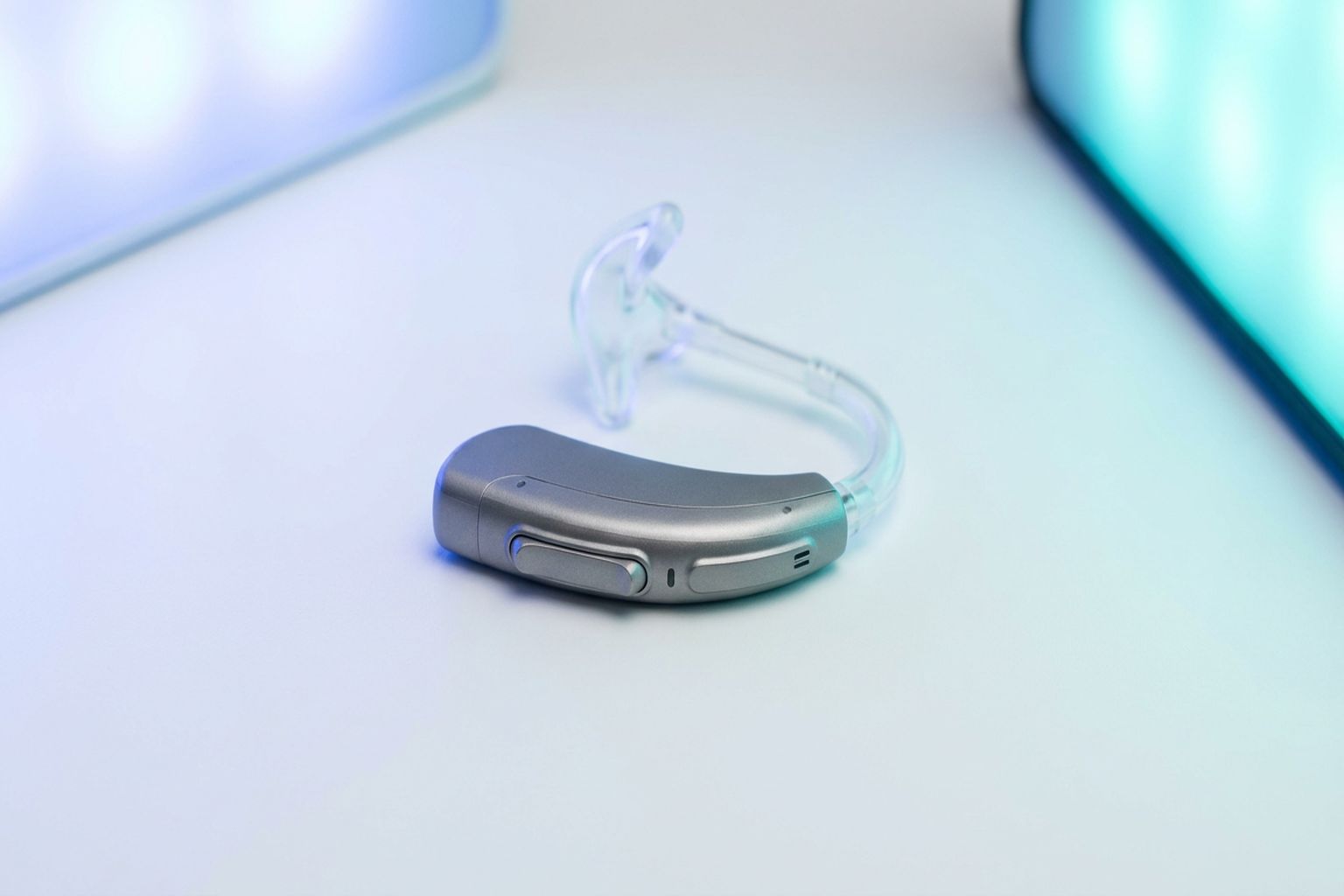
Key Takeaways
- Hearing aids with built-in tinnitus masking features can reduce ringing by amplifying external sounds and providing soothing sound therapy
- Tinnitus masking programs use white noise, ocean sounds, or fractal tones to distract your brain from the ringing
- Most modern digital hearing aids include tinnitus therapy options as a standard feature
- A licensed audiologist should program your device to match your specific tinnitus pitch and hearing loss profile
- Combining hearing aids with sound therapy and counseling produces the best long-term tinnitus management results
- Ear to Hear offers personalized tinnitus consultations to match you with the right hearing aid technology
If you deal with ringing, buzzing, or humming in your ears, you are not alone. Tinnitus affects roughly 50 million Americans, and many find significant relief through properly fitted hearing aids. At Ear to Hear, our team has helped patients across Florida, Illinois, and Missouri manage tinnitus symptoms with modern hearing technology. The right device can mask unwanted sounds and improve your overall hearing at the same time. Call us at (813) 345-8135 to schedule a consultation.
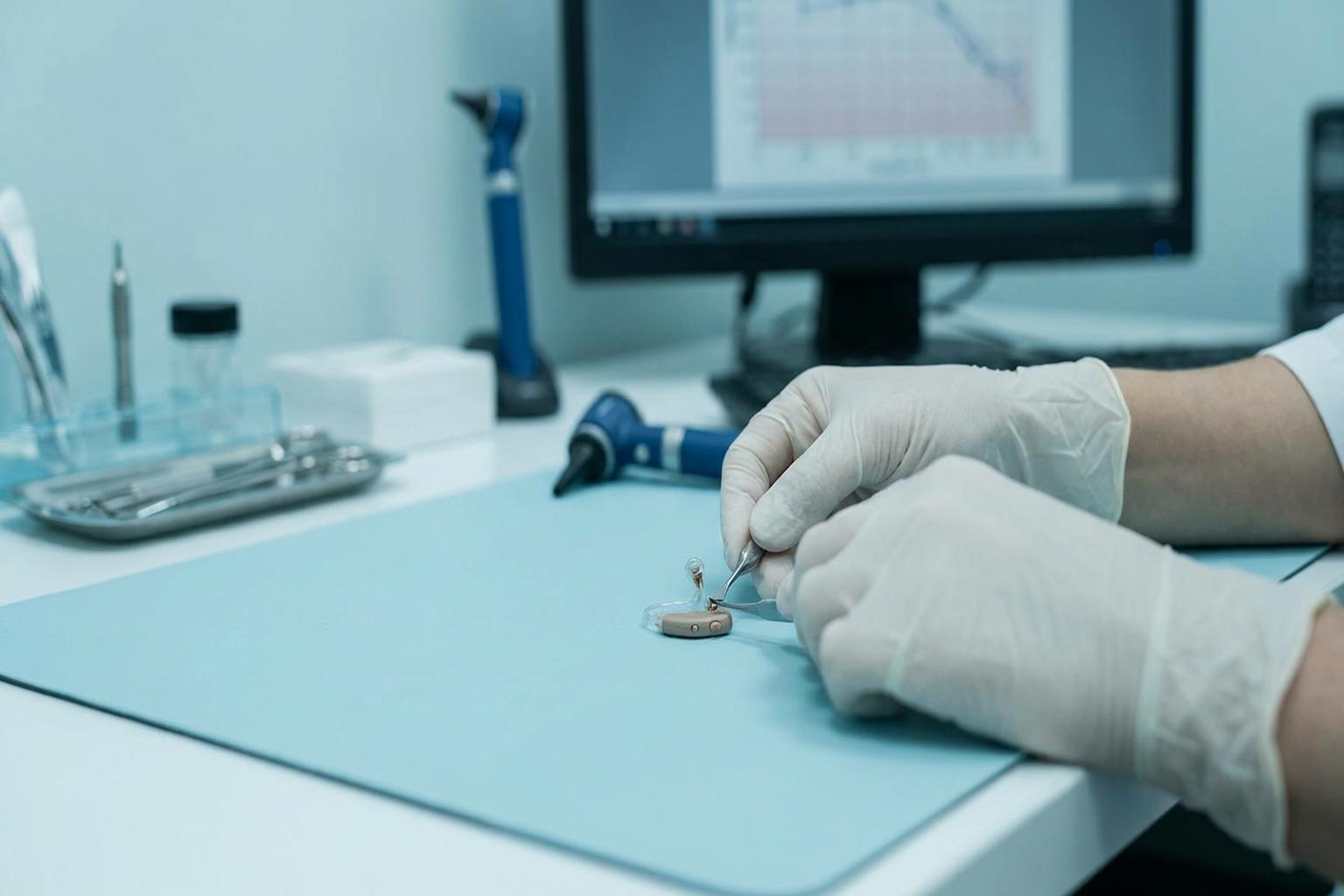
Finding the best hearing aids for tinnitus starts with a professional hearing test and a personalized fitting. Our hearing care services include tinnitus evaluation, hearing aid selection, and ongoing adjustments to keep your devices working well. If your device stops working, our hearing aid repair service can fix common issues fast. We carry multiple top-rated brands so you get the device that fits your specific hearing profile, not a one-size-fits-all solution. For a detailed brand comparison, see our Phonak vs Oticon guide.
How Hearing Aids Help With Tinnitus
Hearing aids address tinnitus in two key ways. First, they amplify external sounds, which helps your brain focus on real noises instead of the internal ringing. When you hear better, the tinnitus becomes less noticeable. Second, many modern devices include dedicated tinnitus masking programs that generate soothing background sounds.
Research from the American Tinnitus Association shows that hearing aids provide tinnitus relief for a significant percentage of patients. The masking effect works because your brain cannot fully focus on the tinnitus sound when competing external sounds are present. This is why hearing aids are often the first treatment option audiologists recommend for patients who have both hearing loss and tinnitus.
Understanding Tinnitus Masking Technology
Tinnitus masking uses external sound to cover or distract from the internal ringing. Modern digital hearing aids offer several masking approaches:
- White noise programs that create a steady sound floor
- Ocean wave sounds that provide a natural, calming backdrop
- Fractal tones that produce unpredictable but pleasant patterns
- Notch therapy, which targets your specific tinnitus frequency
Our team programs each device based on your tinnitus pitch, severity, and hearing profile. The goal is finding the right balance between masking the ringing and maintaining clear speech understanding.
Top Hearing Aid Brands for Tinnitus Relief
Widex
Widex offers specialized tinnitus technology through their Zen program, which uses fractal tones that sound similar to wind chimes. These tones are designed to be relaxing without being distracting. The Widex Moment Sheer model includes advanced tinnitus management features and processes sound exceptionally fast, reducing the delay that can make some hearing aids sound artificial.
Phonak
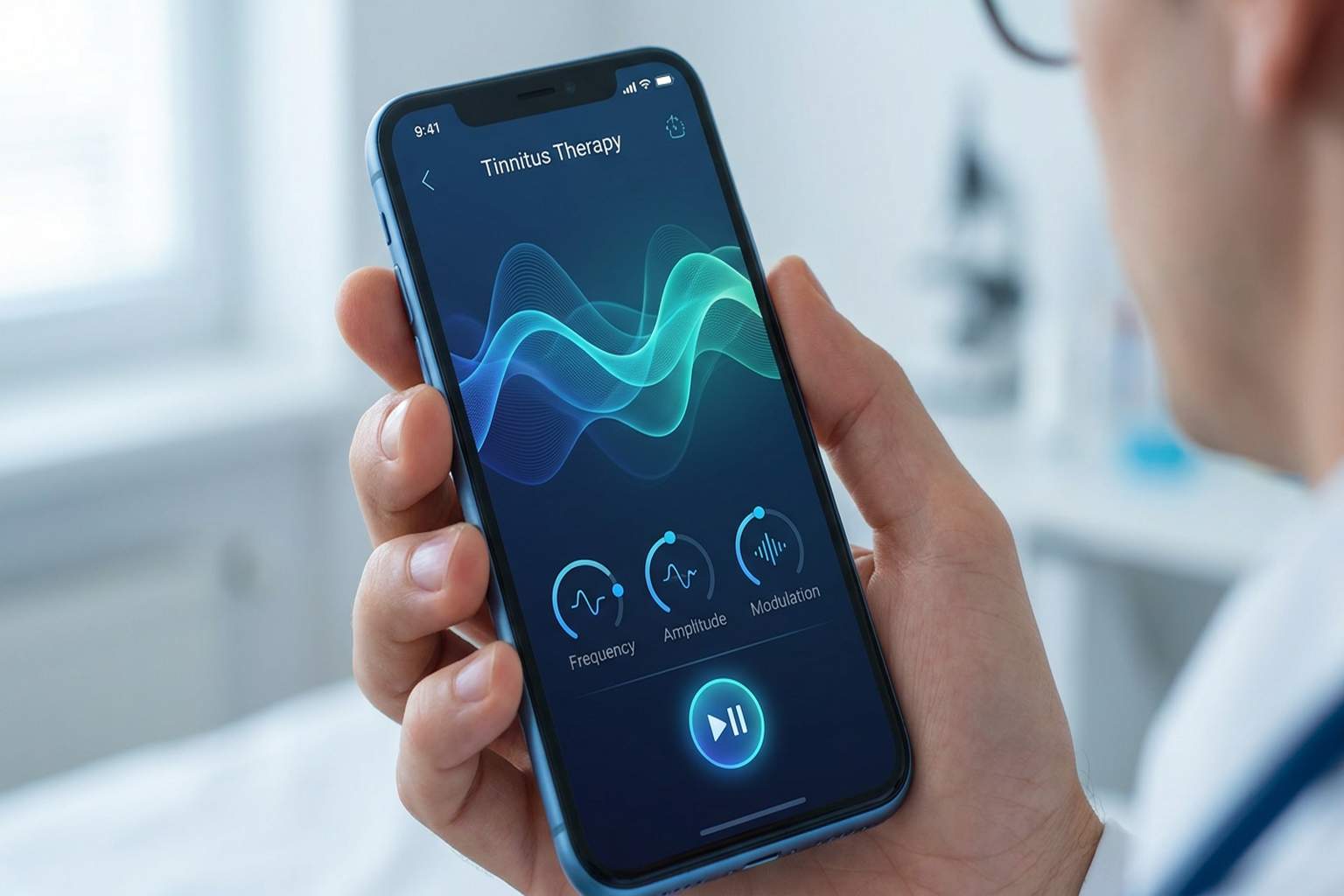
Phonak provides tinnitus balance features in their Audéo line. Their approach combines broadband noise masking with fractal tones. Phonak offers a companion app that lets you adjust your tinnitus therapy settings from your phone, giving you control over the masking sounds throughout the day. Their Bluetooth hearing aids connect directly to smartphones for streaming and app-based tinnitus control.
Signia
Signia includes tinnitus therapy in their hearing aids through their notch therapy feature. Notch therapy identifies your specific tinnitus frequency and applies a notch filter to that frequency in the audio signal. Over time, this can help retrain your brain to reduce awareness of the tinnitus. Signia also offers static noise and ocean wave masking options.
ReSound
ReSound hearing aids feature a tinnitus sound generator with both broadband noise and nature sounds. Their Smart 3D app lets you adjust tinnitus masking levels on the go. ReSound devices also connect directly to Apple and Android devices for streaming, which adds another layer of sound input that can help distract from tinnitus.
Oticon
Oticon takes a different approach with their BrainHearing technology. Rather than just masking the tinnitus, Oticon devices are designed to give the brain access to more natural sound. The Oticon More model includes a built-in tinnitus sound generator and uses deep neural network processing to support how the brain naturally processes sound. This approach can reduce tinnitus awareness by keeping the brain actively engaged with real environmental sounds.
Features to Look for in Tinnitus Hearing Aids
When choosing a hearing aid for tinnitus, several features matter:
- Built-in tinnitus masking programs with multiple sound options
- Smartphone app control for adjusting masking levels
- Rechargeable batteries so you never have to worry about the device dying during masking therapy
- Direct streaming from phones and TVs for additional sound input
- Wind noise reduction for outdoor comfort
Rechargeable hearing aids are especially popular with tinnitus patients because masking therapy runs continuously throughout the day.
Behind the Ear vs In the Canal for Tinnitus
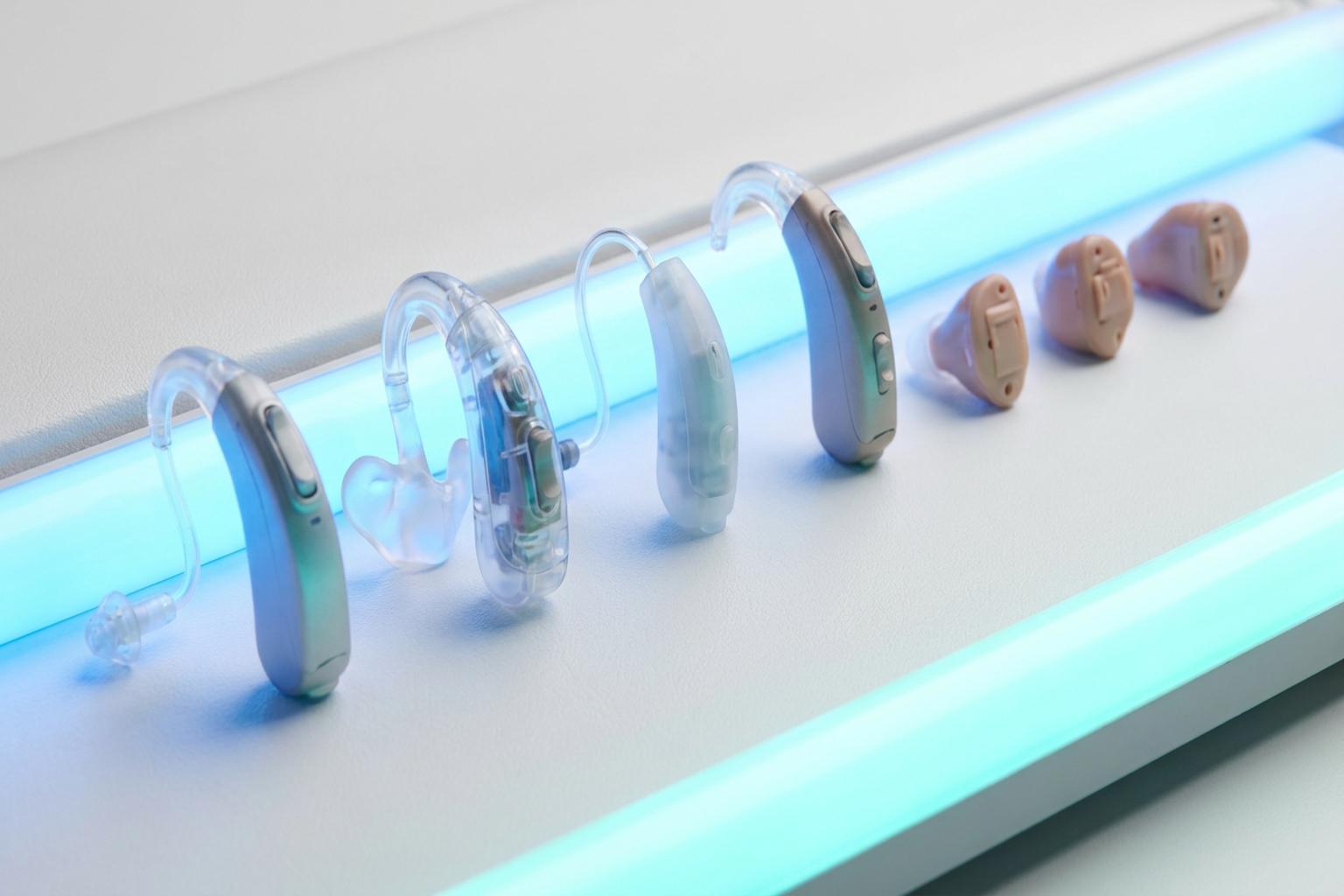
The style of hearing aid you choose affects your tinnitus management. Behind the ear hearing aids offer more processing power and larger masking sound generators. They work well for severe hearing loss combined with tinnitus.
In-the-canal and completely-in-canal styles are less visible but have smaller batteries and fewer masking options. For patients with significant tinnitus, we typically recommend behind-the-ear or receiver-in-canal models because they provide the most robust tinnitus therapy features.
Prescription vs OTC Hearing Aids for Tinnitus
Over-the-counter hearing aids are now available for mild to moderate hearing loss. However, OTC devices generally do not include the advanced tinnitus masking features found in prescription hearing aids. They also lack professional programming to match your specific tinnitus frequency.
For tinnitus patients, prescription hearing aids fitted by a licensed audiologist are the better choice. The professional fitting process ensures the masking sounds are calibrated to your hearing profile. OTC devices may amplify some frequencies too much, which can actually worsen tinnitus awareness.
What to Expect at a Tinnitus Consultation
When you visit Ear to Hear for a tinnitus consultation, our team follows a structured process:
- We conduct a comprehensive hearing test to measure your hearing sensitivity
- We evaluate your tinnitus pitch, loudness, and masking profile
- We discuss how tinnitus affects your daily life, sleep, and concentration
- We recommend hearing aid options with the right tinnitus features
- We program your devices with personalized masking settings
The initial consultation takes about 60 to 90 minutes. We encourage you to bring a family member since they can provide additional perspective on your hearing challenges.
The Connection Between Hearing Loss and Tinnitus
Approximately 90 percent of tinnitus patients also have some degree of hearing loss. The relationship works both ways. Hearing loss can trigger tinnitus because your brain compensates for missing sounds by creating its own neural activity. At the same time, treating the hearing loss with hearing aids often reduces tinnitus symptoms.
This is why a hearing test is the essential first step. If you have untreated hearing loss, the tinnitus may become more prominent over time as your brain struggles to fill in the gaps in sound information.
Sound Therapy Beyond Hearing Aids
While hearing aids are powerful tools for tinnitus management, combining them with additional sound therapy produces better results. Sound therapy options include:
- Tabletop sound machines for sleep
- Smartphone apps designed for tinnitus relief
- Fan noise or nature sounds at bedtime
- Cognitive behavioral therapy for tinnitus habituation
Our team can recommend specific sound therapy apps and devices that complement your hearing aids. The combination of hearing aid masking during the day and sound therapy at night helps your brain habituate to the tinnitus more effectively.
Insurance and Cost Considerations
Hearing aids for tinnitus vary in cost depending on technology level and features. Basic devices with standard masking programs start lower, while premium models with advanced neural processing and multiple therapy options cost more.
Medicare does not cover hearing aids, but some Medicare Advantage plans offer hearing benefits. Private insurance coverage varies widely. Our team helps you understand your options and works with you to find a solution that fits your budget. We also offer financing plans to make treatment more accessible.

How Ear to Hear Approaches Tinnitus Treatment
Our approach to tinnitus treatment is comprehensive and patient-centered. We do not just sell hearing aids. We provide ongoing care that includes:
- Initial tinnitus assessment and hearing evaluation
- Hearing aid fitting with tinnitus masking programming
- Follow-up adjustments to fine-tune masking levels
- Counseling on tinnitus management strategies
- Long-term monitoring and device maintenance
We serve patients in Florida, Illinois, and Missouri. Our team understands that tinnitus can be frustrating and isolating. We take the time to listen to your experience and build a treatment plan around your specific needs. Call us at (813) 345-8135 to schedule an appointment and take the first step toward tinnitus relief.
Tips for Adjusting to Hearing Aids With Tinnitus Masking
Adjusting to hearing aids with tinnitus masking takes patience. Your brain needs time to adapt to both the amplified external sounds and the masking tones. Most patients adjust within two to four weeks.
Start by wearing your hearing aids for a few hours each day. Gradually increase wearing time as your brain adapts. Keep the masking volume at a level that is just below your tinnitus. If the masking sound is too loud, it can become its own source of irritation.
If you experience discomfort or the masking sounds feel overwhelming, contact our team. We can adjust the programming to make the transition smoother. Consistent daily wear is the most important factor in successful adaptation.
Ready to Find Relief From Tinnitus?
A professional hearing evaluation from our licensed specialists can identify the right hearing aids with tinnitus masking features for your needs. Schedule your free hearing test or call us at (813) 345-8135.
Frequently Asked Questions
No single brand is best for everyone. Widex, Phonak, Signia, ReSound, and Oticon all offer strong tinnitus features. The best choice depends on your hearing loss profile, tinnitus pitch, and personal preferences. Our team at Ear to Hear can help you compare options after a thorough evaluation. We carry multiple brands so you are not locked into one manufacturer.
Yes, research shows that hearing aids provide tinnitus relief for a large percentage of patients. Hearing aids help by amplifying external sounds that compete with the internal ringing and by providing masking sounds that distract the brain. Studies from the American Tinnitus Association confirm that combining hearing aids with sound therapy and counseling produces meaningful improvement in tinnitus symptoms for most patients.
Original Medicare does not cover hearing aids or hearing exams. Some Medicare Advantage plans include hearing benefits that may partially cover the cost. Private insurance plans vary in their coverage. Our team at Ear to Hear can help you understand your specific insurance benefits and explore financing options if needed.
ENT doctors typically recommend a hearing evaluation as the first step for tinnitus patients. If hearing loss is present, hearing aids with tinnitus masking features are often prescribed. ENTs may also recommend sound therapy, stress management, and in some cases, referral to an audiologist for specialized tinnitus treatment. The most effective approach combines hearing technology with behavioral strategies.
References
- American Tinnitus Association. "Hearing Aids and Masking Devices." https://www.ata.org/about-tinnitus/therapy-and-treatment-options/hearing-aids-masking-devices/
- National Council on Aging. "Do Hearing Aids Help Tinnitus?" https://www.ncoa.org/article/do-hearing-aids-help-tinnitus/
- Phonak. "Tinnitus and Hearing Loss." https://www.phonak.com/en-us/well-hearing/hearing-loss/tinnitus
- ReSound. "Tinnitus Hearing Aids." https://www.resound.com/en-us/hearing-aids/tinnitus-hearing-aids
- Widex. "Hearing Aids for Tinnitus." https://www.widex.com/en/tinnitus/relief/hearing-aids-for-tinnitus/
- American Hearing. "The Best Hearing Aids for Tinnitus." https://americanhearing.us/the-best-hearing-aids-for-tinnitus-how-do-you-choose/