Key Takeaways
- A hearing aid fitting is a two-step process that includes physical fitting and sound tuning
- Real ear verification measures exactly what reaches your eardrum for precise adjustments
- Most fittings take 60 to 90 minutes per appointment
- You should bring your hearing test results and a list of difficult listening situations
- Follow-up adjustments are normal and expected in the first few weeks
- Call (813) 345-8135 to schedule your fitting with a licensed specialist
What Happens During a Hearing Aid Fitting
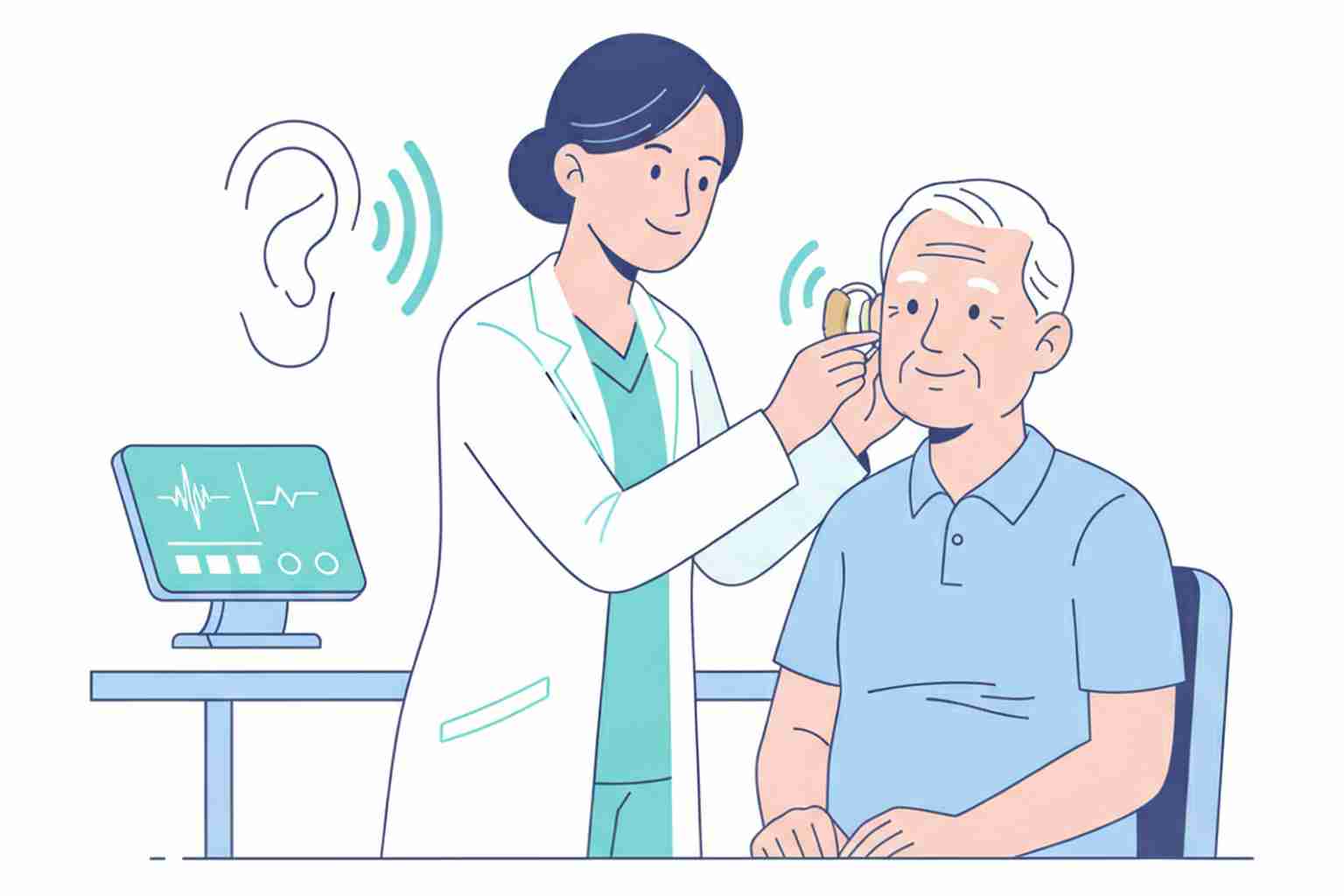
Getting your first hearing aids is a big step toward clearer conversations and a more connected life. At Ear to Hear, our licensed specialists guide you through every part of the hearing aid fitting process so you feel confident and comfortable from day one. A proper fitting makes the difference between hearing aids that sit in a drawer and devices you actually wear every day.
Many people worry that fitting hearing aids is complicated or uncomfortable. The truth is that a hearing aid fitting is a thorough and cooperative process between you and your hearing specialist. We take time to test, adjust, and fine-tune your devices so they match your specific hearing loss and lifestyle needs.
Your hearing aid fitting appointment is where your hearing aids go from a prescription to a personalized device. We start by reviewing your hearing test results and confirming that the selected hearing aids match your hearing loss profile. Every ear is shaped differently, and every hearing loss pattern is unique.
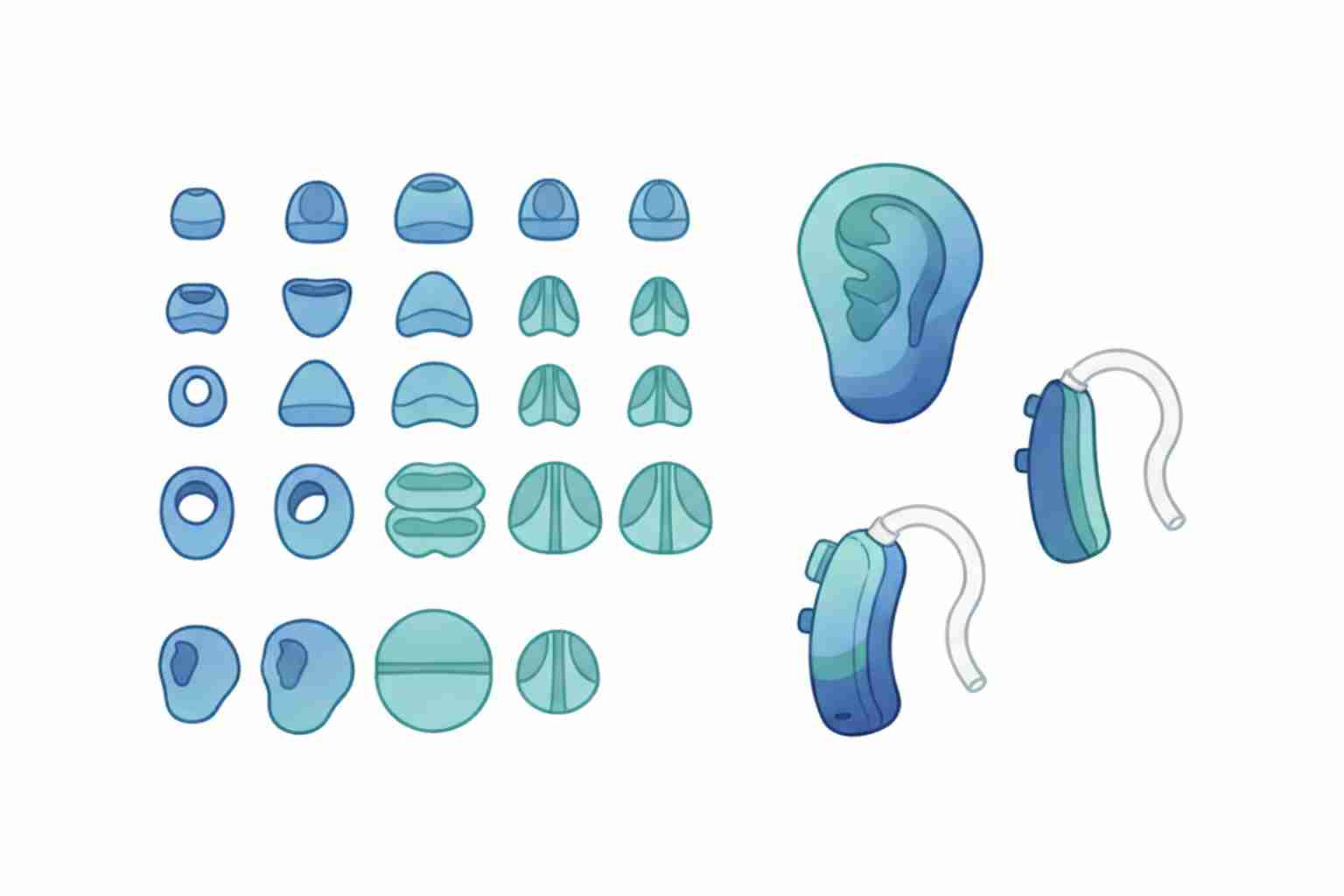
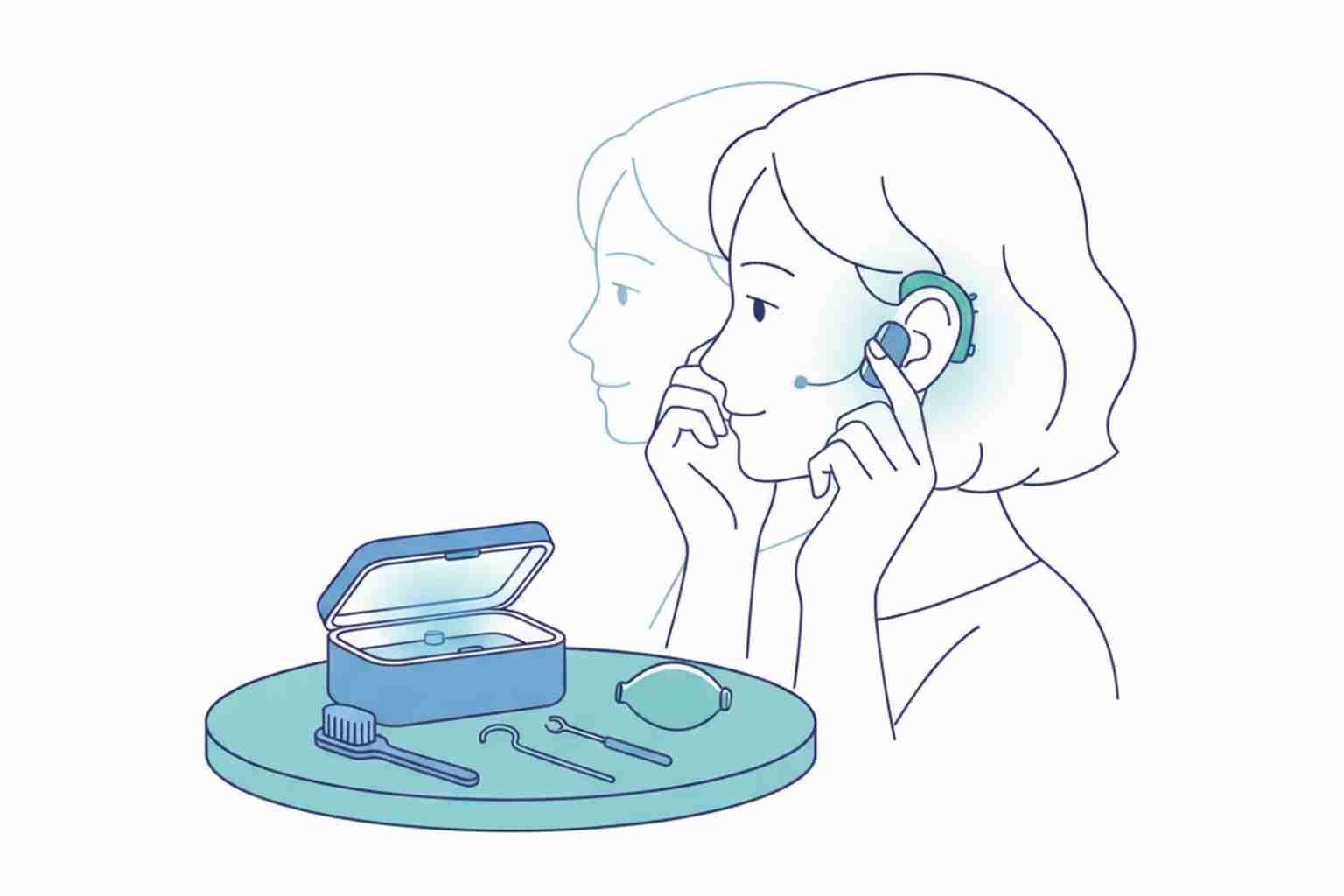
Your hearing specialist physically inserts the hearing aids and checks that they sit comfortably. For behind the ear hearing aids, we select the right dome or ear mold size. For custom devices, we verify that the shell fits snugly without soreness or feedback. Physical comfort matters because you will wear these devices for 12 to 16 hours a day.
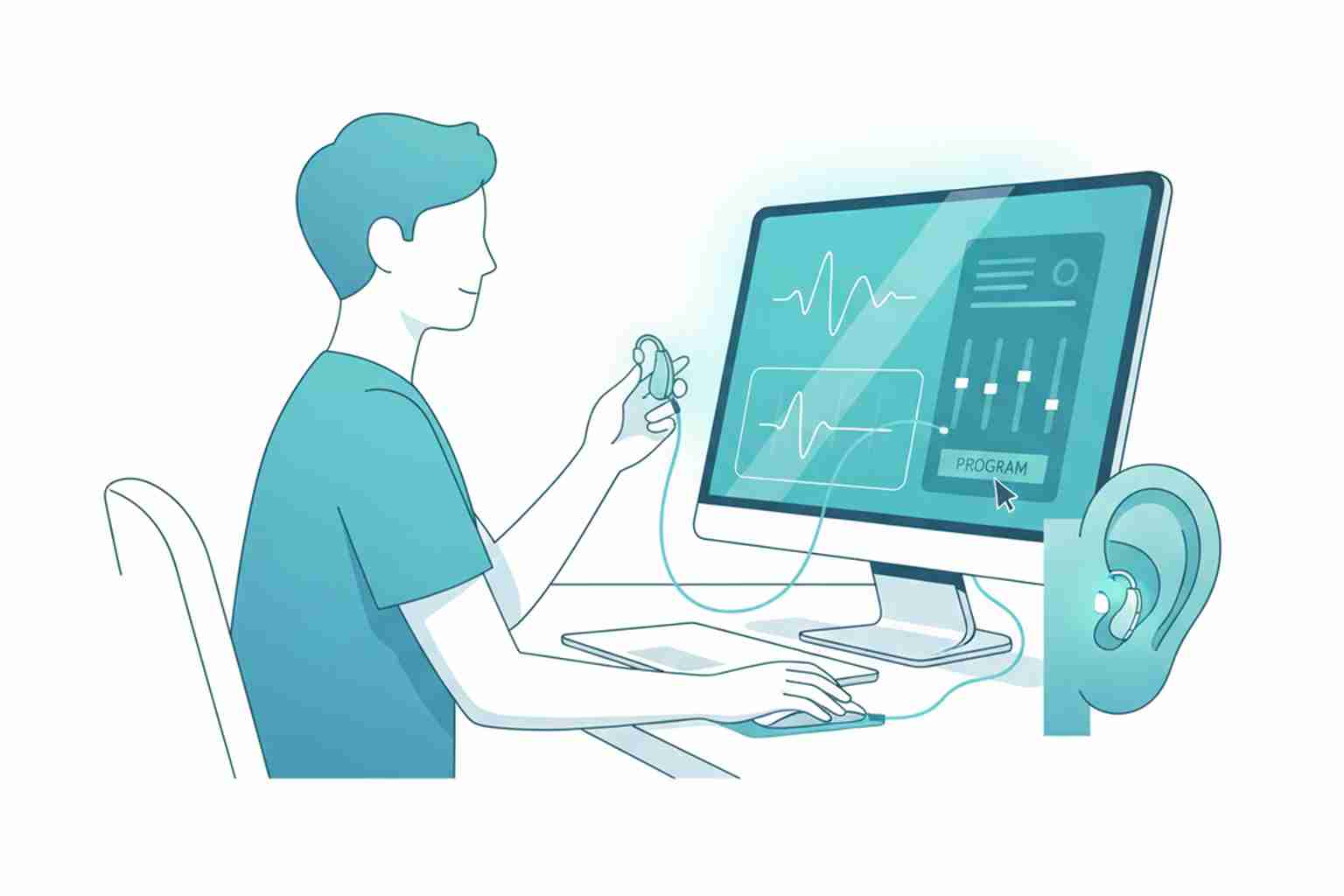
Your specialist also programs the hearing aids using specialized software. The programming adjusts frequencies based on your audiogram, boosting the sounds you struggle to hear while keeping loud sounds comfortable. If you experience ringing in your ears, your specialist can also activate tinnitus masking features during programming — learn more in our guide to the best hearing aids for tinnitus. This initial programming gives you a baseline that we refine through real ear verification.
The Hearing Aid Fitting Process Step by Step
The fitting begins with a physical inspection of your ear canal. Your specialist uses a lighted otoscope to check for wax buildup, irritation, or structural concerns that could affect how the hearing aid fits. If there is significant earwax, we may refer you for removal before proceeding.
Next, we place the hearing aids and check the physical fit. For devices with domes, we try different sizes to find the best seal. A proper seal prevents whistling and keeps bass frequencies from leaking out. For custom ear molds, we verify that the mold sits flush with the ear canal walls.
Then comes the programming phase. Your specialist connects each hearing aid to a computer and loads your hearing prescription into the device. The software calculates gain and compression settings based on your audiogram. You will hear sounds through the hearing aids for the first time during this step.
After programming, we conduct real ear verification. This is the most important fitting step, described in detail in the next section. The verification confirms that the hearing aids deliver the right amount of sound at each frequency.
Finally, your specialist teaches you how to insert, remove, and clean your hearing aids. You practice these skills during the appointment so you leave feeling prepared. We also review battery or charging instructions for rechargeable hearing aids or disposable battery models.
Real Ear Verification: Why It Matters
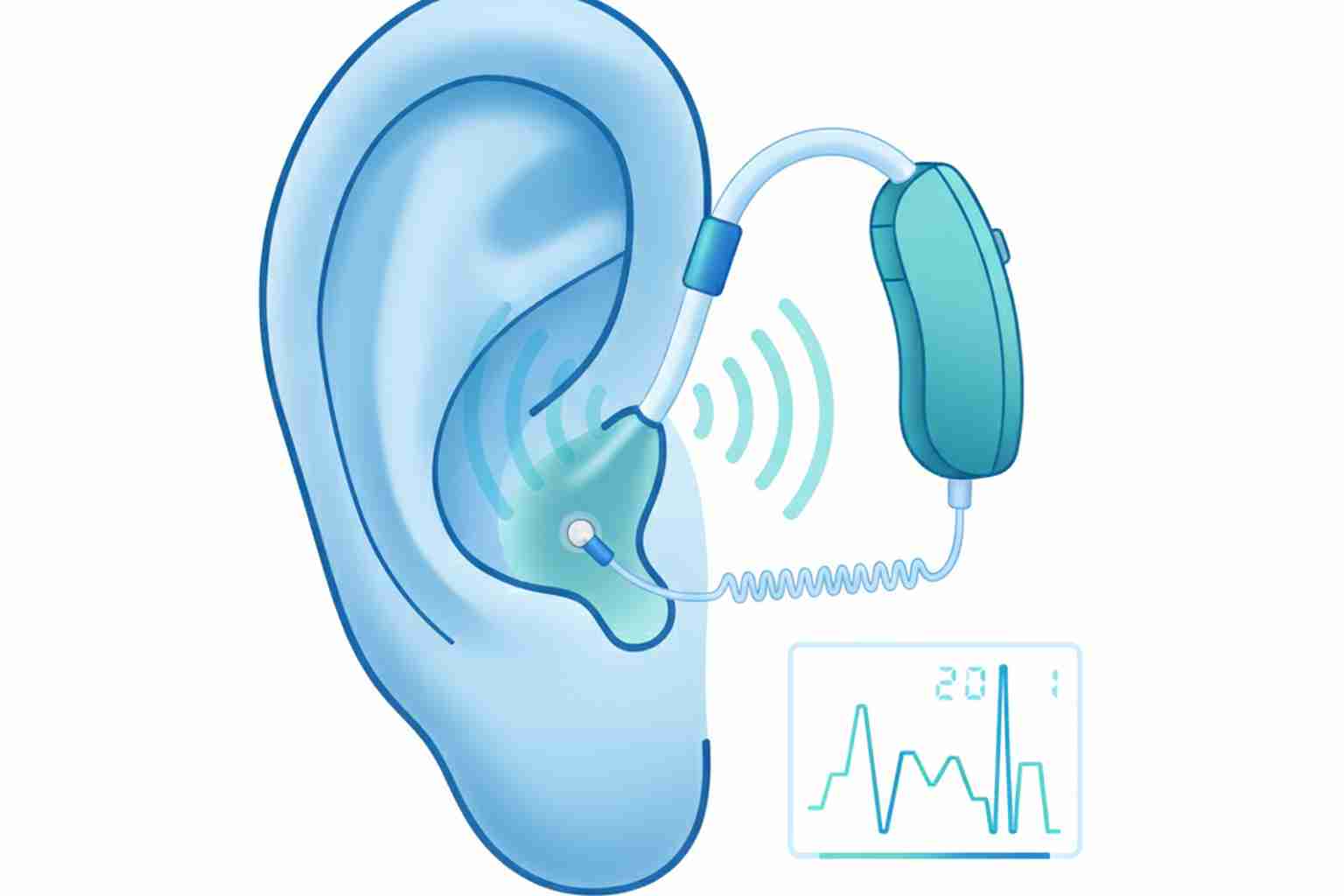
Real ear verification is the gold standard in hearing aid fitting. A small microphone is placed in your ear canal next to the hearing aid. Your specialist plays calibration sounds and measures exactly what reaches your eardrum. This measurement accounts for the unique shape of your ear canal, which affects how sound travels to your hearing system.
Without real ear verification, a hearing specialist relies on average ear canal data. But your ear canal is not average. It has its own length, curve, and resonance characteristics. Real ear measurement ensures the hearing aid delivers the precise amplification your prescription requires at every frequency.
During verification, your specialist may make fine adjustments. If a frequency is too loud, they reduce the gain. If a frequency is too soft, they increase it. This process repeats until the output matches your target prescription as closely as possible.
Research consistently shows that hearing aids fitted with real ear verification perform better. Patients report higher satisfaction, better speech understanding, and fewer follow-up visits. At Ear to Hear, we use real ear verification on every fitting because it delivers results you can hear.
What to Bring to Your Fitting Appointment
Preparation helps your fitting go smoothly. Bring the following items to your appointment:
- Your hearing test results if they were performed at a different clinic
- A list of situations where you struggle to hear, such as restaurants, phone calls, or family gatherings
- Any hearing aids you currently use, even if they are not working properly
- A family member or friend if you want support during the appointment
- Questions about Bluetooth hearing aids or specific features you want to explore
Writing down your listening challenges beforehand helps your specialist program the hearing aids for your real-world needs. Instead of saying "I cannot hear in noise," describe the exact situation, like "I cannot follow conversation at my weekly dinner at a busy restaurant."
Adjusting Your Hearing Aids After the Fitting
The fitting appointment is the beginning, not the end. Your brain needs time to relearn how to process sounds, especially if you have had hearing loss for years. Most people need two to four follow-up adjustments in the first few months.
In the first week, wear your hearing aids for a few hours each day and gradually increase wear time. Start in quiet environments like your home. Conversation with one or two people is ideal. Avoid loud restaurants or crowded events until you feel more comfortable with the new sounds.
By the second week, most patients wear their hearing aids for most of the day. You may notice sounds that feel too sharp or too soft. Write these down and bring them to your follow-up appointment. Your specialist can adjust the programming based on your feedback.
If you experience physical discomfort, contact us right away at (813) 345-8135. Discomfort usually means the dome or mold needs a different size.
Common Fitting Issues and How We Solve Them
Even with careful fitting, some issues can arise. Knowing what to expect helps you address them quickly.
Feedback or whistling is a common problem. It usually means the dome or mold is not creating a proper seal. Your specialist can try a larger dome, a different mold style, or adjust the programming. Whistling when you hug someone or put on a hat is normal and does not mean the device is broken. However, if whistling persists after several adjustments, the issue may require professional hearing aid repair rather than a fitting change.
Sound quality concerns are also common. Some sounds may seem too loud, too tinny, or too harsh at first. This is your brain adjusting to amplified sound. If the issue persists after a week or two, we can soften the high frequencies or adjust the compression settings.
Physical discomfort should never be ignored. A hearing aid that hurts will not get worn. We can reshape a custom mold, switch dome styles, or recommend a different hearing aid type. There is always a solution.
How Ear to Hear Makes Your Fitting Experience Better
Our hearing care services go beyond the fitting appointment. We provide ongoing support to ensure your hearing aids work well for years. Every fitting includes real ear verification, hands-on training, and a personalized adjustment plan.
We work with all major hearing aid brands and styles, including behind the ear, receiver in canal, and invisible models. Our specialists take time to understand your lifestyle, budget, and hearing goals before recommending a device. We never push a single brand because the best hearing aid is the one that fits your life.
If you are ready to hear more clearly, Schedule a free hearing test or call us at (813) 345-8135. Our licensed specialists will walk you through every step of the hearing aid fitting process.
Frequently Asked Questions
A hearing aid fitting is an appointment where a licensed specialist physically places and programs your hearing aids. The specialist uses real ear verification to measure the sound reaching your eardrum and adjusts the devices to match your hearing prescription. The fitting also includes training on insertion, cleaning, and daily use.
Start by telling your specialist about any discomfort or feedback. A different dome size, a custom ear mold, or a programming adjustment can solve most fit issues. Wearing the hearing aids consistently also helps your ear canal adapt. Never try to modify the hearing aid yourself because homemade adjustments can damage the device or your ear.
Medicare does not cover hearing aids or hearing aid fitting appointments. Original Medicare excludes hearing aids and fitting services from coverage. Some Medicare Advantage plans offer partial coverage for hearing aids, so check with your plan administrator. We can help you understand your options and discuss financing if needed.
A correct fitting requires a licensed specialist, real ear verification, and follow-up adjustments. The specialist programs the hearing aid using your audiogram, verifies the output with a probe microphone, and fine-tunes the settings based on your feedback. Self-fitting or online adjustments cannot replicate this level of precision and personalization.
References
- National Institute on Deafness and Other Communication Disorders. "Hearing Aids." NIH, updated 2024.
- American Speech-Language-Hearing Association. "Hearing Aid Fitting and Verification." ASHA Practice Policy, 2023.
- Mueller, H. Gus. "Real-Ear Probe-Microphone Measurements: Past, Present, and Future." Seminars in Hearing, 2021.
- Hearing Review. "Best Practices in Hearing Aid Fitting." Hearing Review, 2023.
- Ear to Hear Audiology. "Hearing Tests and Hearing Aid Services." eartohearonline.com, 2026.
Ready to take the first step? Schedule a free hearing test or call us at (813) 345-8135.