
Key Takeaways
- Six manufacturers produce most hearing aids sold worldwide: Phonak, Oticon, Starkey, Signia, Widex, and ReSound.
- Every brand has a specialty, from speech clarity in noise to natural sound quality and built-in tinnitus relief.
- Prescription brands outperform OTC devices for moderate to severe hearing loss.
- A professional fitting and follow-up care matter more than the logo on the device.
- Prices across major brands overlap heavily, so features and service should drive your choice.
- Our team fits all major brands and recommends devices based on your hearing test results.
Who Makes Hearing Aids? The Big Six Manufacturers
Choosing between hearing aid brands feels overwhelming at first. Six major manufacturers dominate the market, and each sells dozens of models with different features and prices. At Ear to Hear, our licensed specialists fit devices from every major manufacturer, and we match the right hearing aids to your hearing loss, budget, and daily life.
This guide covers who makes hearing aids, what each brand is known for, and what devices cost. One point matters most: the fitting and programming matter more than the brand name on the device. A properly fitted mid-tier device outperforms a poorly fitted premium one.
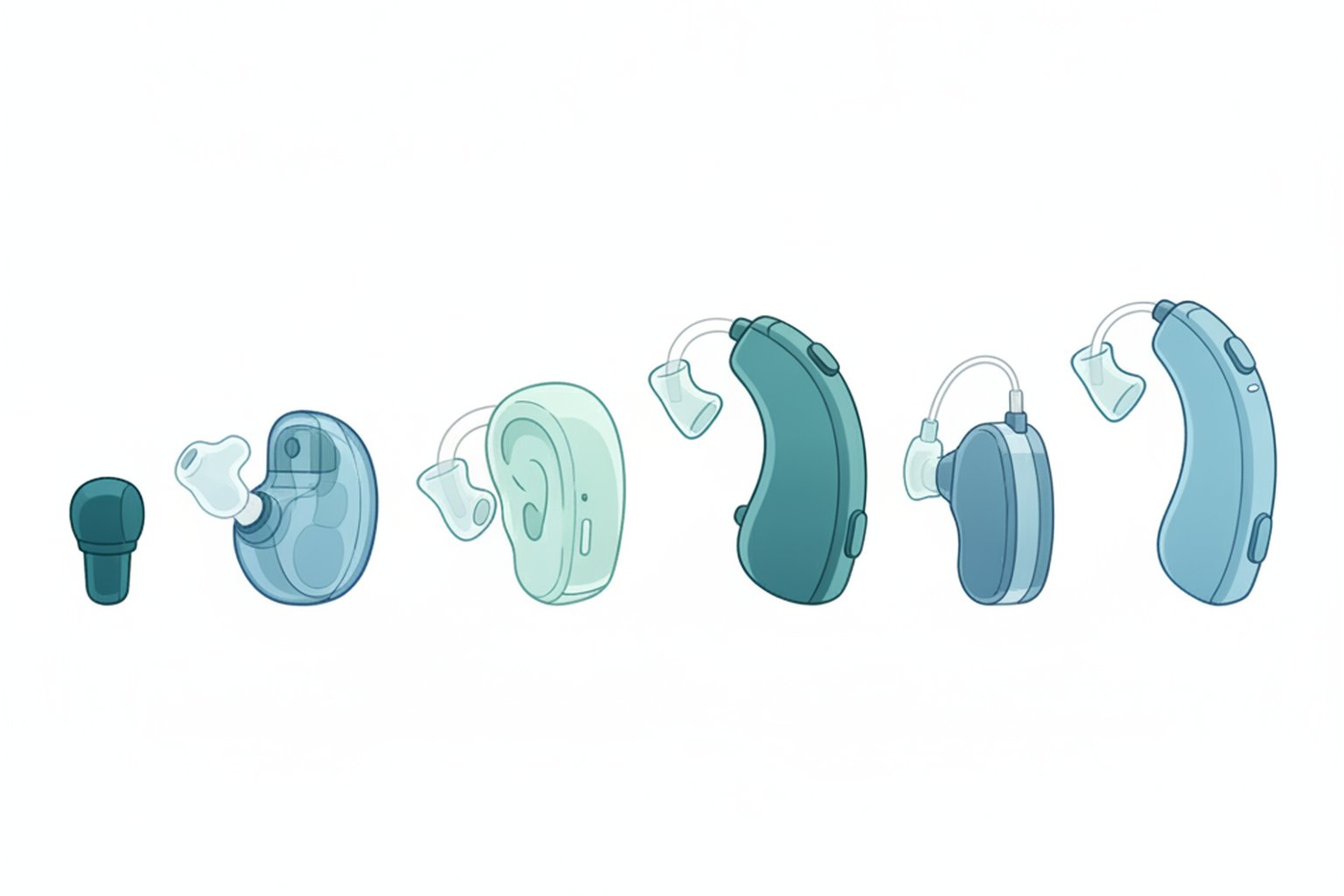
The hearing aid industry is more concentrated than most people realize. Six companies design and manufacture the vast majority of devices sold in the United States: Phonak, Oticon, Starkey, Signia, Widex, and ReSound. Their parent companies also own smaller labels, so devices sold under retail names often come from one of these six factories.
That concentration works in your favor. Licensed providers like our team can service and program most devices you will encounter. Baseline quality is high across all six brands, so your choice comes down to sound processing, features, and fit.
Phonak Hearing Aids
Phonak, founded in Switzerland in 1947, is the largest hearing aid brand by global sales. Its parent company, Sonova Group, also owns Unitron and Sennheiser. Phonak leads in noisy-environment performance, and its Audeo line, including the EON Sphere and Infinio models, uses onboard AI to isolate speech from background noise. The Naida line serves severe to profound hearing loss, and Roger wireless microphones pair with Phonak devices in very loud places like restaurants.
Oticon Hearing Aids
Oticon is a Danish manufacturer owned by Demant, with roots back to 1904. Oticon built its reputation on BrainHearing, a processing approach designed to match how the brain naturally interprets sound. Recent platforms like the Oticon Zeal and Reveal lines process real-world sounds so the brain receives fuller information, not just amplified speech. Oticon also owns the Bernafon and Sonic brands.
Starkey Hearing Aids
Starkey is the only major manufacturer based in the United States, headquartered in Eden Prairie, Minnesota, since 1967. Starkey differentiates with health features: devices in its Genesis AI and Edge AI families include fall detection and activity tracking alongside core hearing performance, and the new Omega AI+ platform continues that direction. If you want a device that doubles as a wellness tool, Starkey is the brand to ask about.
Signia Hearing Aids
Signia is part of WS Audiology, with heritage tracing back to Siemens hearing instruments. Signia is known for Own Voice Processing, which makes your own voice sound natural instead of booming, plus slim stylish receivers like the Styletto IX and rechargeable Charge&Go models. Signia devices use motion sensors to adjust as you move between quiet rooms and noisy streets.
Widex Hearing Aids
Widex is a Danish manufacturer founded in 1956, also under the WS Audiology umbrella. Widex built its reputation on natural sound quality, and musicians favor it for that reason. Its low-delay PureSound processing avoids the artificial quality some devices have, and its Zen program delivers built-in tinnitus relief through calming fractal tones. The flagship Allure line carries these technologies forward.
ReSound Hearing Aids
ReSound is owned by the GN Group, a Danish company with more than 140 years in hearing technology. ReSound pioneered direct Bluetooth streaming, so many models connect to iPhone and Android phones without a separate accessory. Its OMNIA and Vivia platforms focus on speech in noise and let you adjust sound through a smartphone app.
How to Compare Hearing Aid Brands
Comparing brands is easier when you focus on four factors instead of marketing.
- Sound processing: how well the device separates speech from noise in the places you spend time.
- Connectivity: direct streaming to your phone, plus features like hands-free calls.
- Battery options: rechargeable models versus disposable batteries, and how long a charge lasts.
- Service network: how easily you can find local specialists who program and service that brand.
Our team walks through each factor using your real lifestyle. Someone who dines out weekly needs different noise processing than someone who mostly watches TV at home.
Hearing Aid Brands and Prices
Prices across major brands overlap far more than most shoppers expect. Fitted prescription devices typically run from about $2,000 to $8,000 per pair depending on technology tier. Premium models from Phonak, Oticon, or Starkey cost roughly the same as premium models from Signia, Widex, or ReSound. What changes the price most is the technology level inside a brand's lineup, not the brand itself. Insurance can offset a large share of the cost, and we handle insurance processing so you know your real out-of-pocket number before you commit.
Prescription Hearing Aid Brands vs OTC Devices
Over-the-counter hearing aids became available for mild to moderate loss in recent years, and brands like Jabra Enhance and Eargo sell directly to consumers. OTC devices work best for mild loss in quiet settings. For anything more significant, prescription brands from the big six deliver stronger amplification, better noise processing, and professional programming. A licensed specialist can tell you which category fits your loss after a hearing test.
Which Hearing Aid Brand Is Best for You?
No single brand is best for everyone, and any provider who insists otherwise is selling rather than advising. The right answer depends on your audiogram, your dexterity, your priorities, and your budget.
If You Struggle to Hear in Noise
Phonak and Oticon earn the strongest ratings for restaurants and crowds. Both platforms analyze the scene hundreds of times per second and boost the voice closest to you.
If You Prioritize Natural Sound
Widex and ReSound are favored by musicians and sensitive listeners. Their processing preserves the texture of music and avoids the tinny quality some devices produce.
If You Have Trouble With Small Batteries
Rechargeable models from any major brand eliminate battery changes. Most users place devices on a charger at night, the same as a phone.
If You Have Severe to Profound Hearing Loss
Phonak Naida and Oticon power models deliver the amplification significant loss requires. Severe loss always needs a prescription device and a licensed specialist.
If You Want Style Options
We have seen behind the ear hearing aids from one brand outperform another brand's in-ear model for the same person. If you stream calls and music daily, Bluetooth hearing aids with hands-free calling fit your routine. Seniors balancing hearing with ease of use can find guidance in our overview of the best hearing aids for seniors. Rechargeable options are covered in our overview of rechargeable hearing aids.

How Ear to Hear Helps You Choose
At Ear to Hear, we fit devices from all six major manufacturers, so our recommendation reflects what your ears need, not an inventory quota. Your visit starts with a comprehensive evaluation. We program your devices to your audiogram, verify the fit, and schedule follow-up adjustments during your trial period. Independent providers can service every major brand, which keeps your care local and dependable.
Call us at (813) 345-8135 or Schedule a free hearing test at any of our Florida, Illinois, or Missouri offices. You can also explore our full range of hearing care services online before your visit.
Frequently Asked Questions
No single brand is best for everyone. Phonak leads in noisy environments, Oticon focuses on natural sound, Starkey adds health tracking, and Widex is favored for music and tinnitus relief. Your hearing test results and lifestyle determine the right choice. Call us at (813) 345-8135 for a personalized recommendation.
The six major manufacturers are Phonak, Oticon, Starkey, Signia, Widex, and ReSound. Their parent companies, Sonova, Demant, WS Audiology, and GN Group, also produce smaller brands like Unitron, Bernafon, Rexton, and Sonic.
For seniors, ease of handling matters as much as sound quality. Rechargeable models from any major brand eliminate battery changes, and automatic programs reduce the need for manual adjustments. Our guide to the best hearing aids for seniors covers the models we recommend most.
Consumer Reports rates hearing aid brands on reliability and owner satisfaction, covering 17 prescription brands and several OTC brands. Satisfaction depends more on the fitting experience and follow-up service than brand differences, the pattern we see across thousands of fittings.
References
- Consumer Reports. "Best and Worst Hearing Aid Brands and Retailers." consumerreports.org.
- Hearing Tracker. "The Complete Guide to Hearing Aids: Types, Cost, Brands." hearingtracker.com.
- American Hearing and Balance. "Hearing Aid Brands." americanhearingbalance.com.
- U.S. Food and Drug Administration. "Hearing Aids and Over-the-Counter Devices." fda.gov.
- National Institute on Deafness and Other Communication Disorders. "Hearing Aids." nidcd.nih.gov.
Ready to compare brands with a licensed specialist? Schedule a free hearing test or call us at (813) 345-8135.