
Key Takeaways
- Sudden sensorineural hearing loss (SSNHL) is a medical emergency requiring treatment within 72 hours for the best chance of recovery
- It typically affects only one ear and can happen with no warning or apparent reason
- Steroid therapy is the most common and effective initial treatment, especially when started quickly
- Approximately 66,000 Americans experience sudden hearing loss each year, yet many delay seeking help
- Common causes include viral infections, autoimmune conditions, circulation problems, and loud noise exposure
- A hearing test from a licensed specialist at Ear to Hear provides immediate diagnosis and a treatment plan
What Is Sudden Hearing Loss?
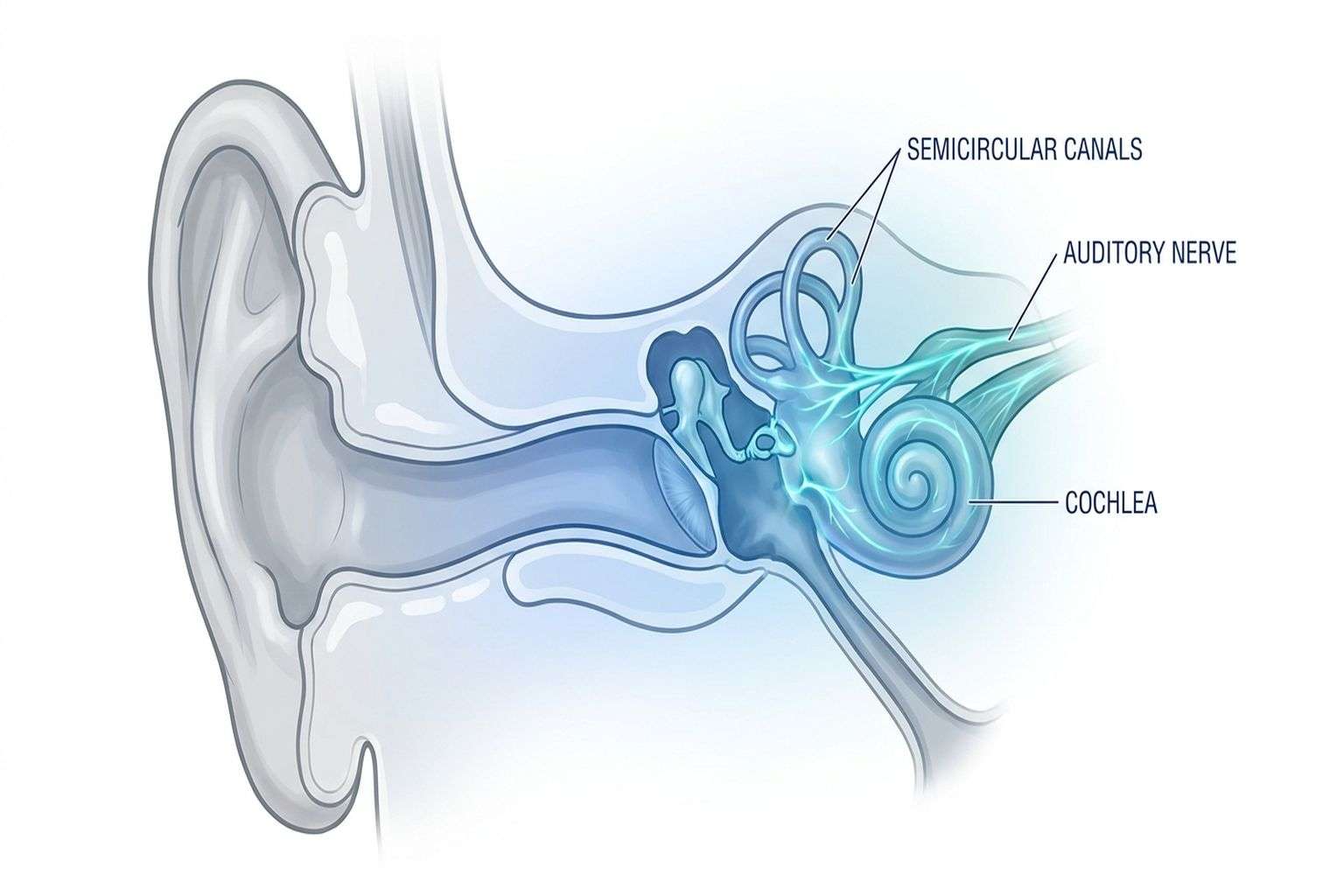
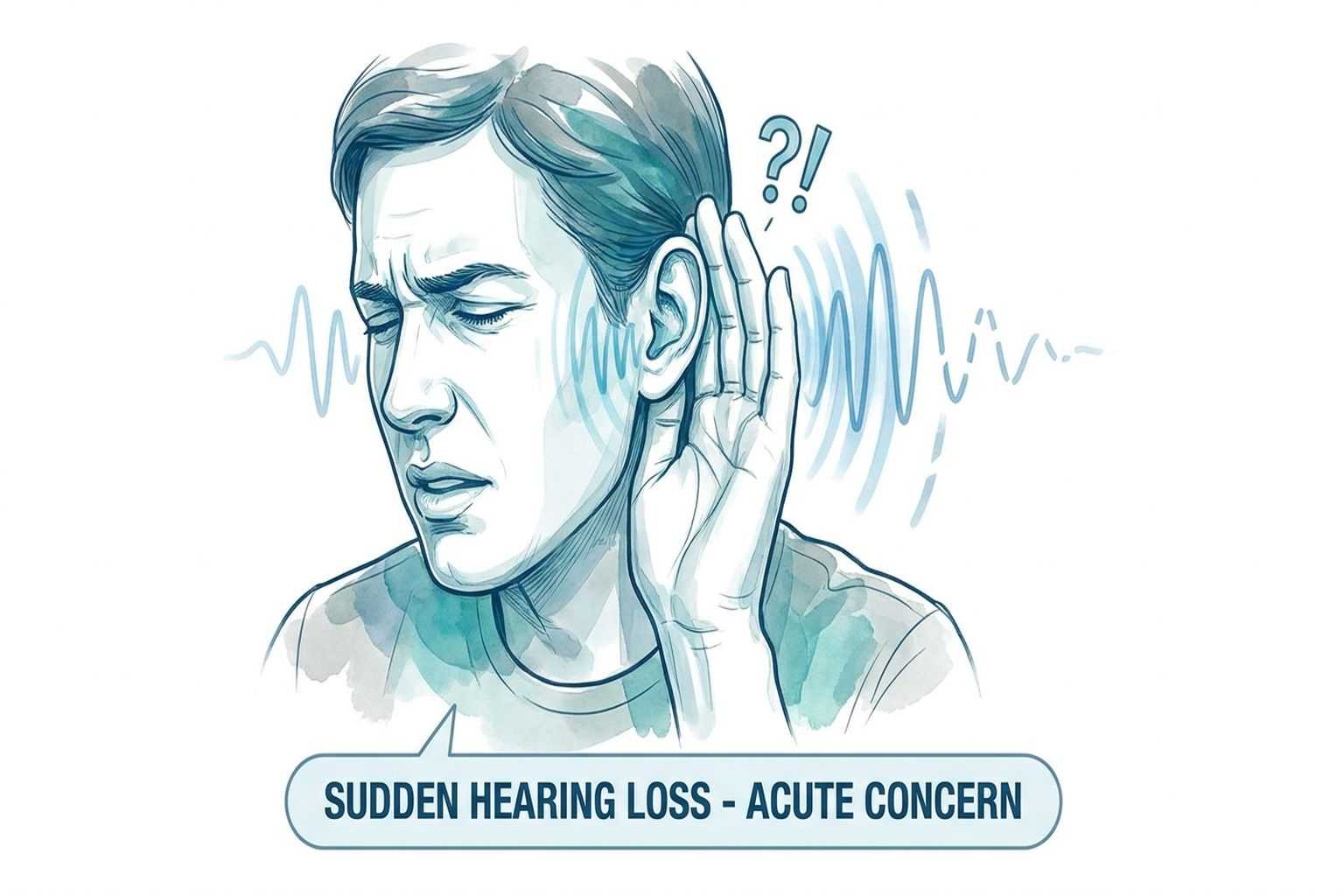
Sudden hearing loss is a rapid, unexplained loss of hearing that occurs over a period of hours or days. The medical term is sudden sensorineural hearing loss (SSNHL), and it affects the inner ear or the auditory nerve pathway. At Ear to Hear, our licensed specialists take this condition seriously because it is recognized as a medical emergency that demands immediate attention. When someone experiences sudden hearing loss, the hearing that begins to fade can become permanent if not treated promptly.
SSNHL typically affects only one ear, though both ears can be involved in rare cases. It can happen to anyone at any age, but it most frequently appears in adults between 40 and 60 years old. The rapid loss is different from age-related hearing loss, which develops slowly over years. With sudden sensorineural hearing loss, you might wake up one morning and notice that sounds seem muffled or distant in one ear, or you may experience a rapid decline over the course of a few hours.
The standard clinical definition involves a hearing reduction of at least 30 decibels across three consecutive frequencies, occurring within 72 hours. If you notice a sudden change in your hearing, the most important step is to seek medical attention right away. A hearing test from a licensed specialist can determine whether the loss is sensorineural (inner ear) or conductive (outer or middle ear), which guides the entire treatment approach. Call us at (813) 345-8135 to schedule an immediate evaluation.
What Causes Sudden Hearing Loss?
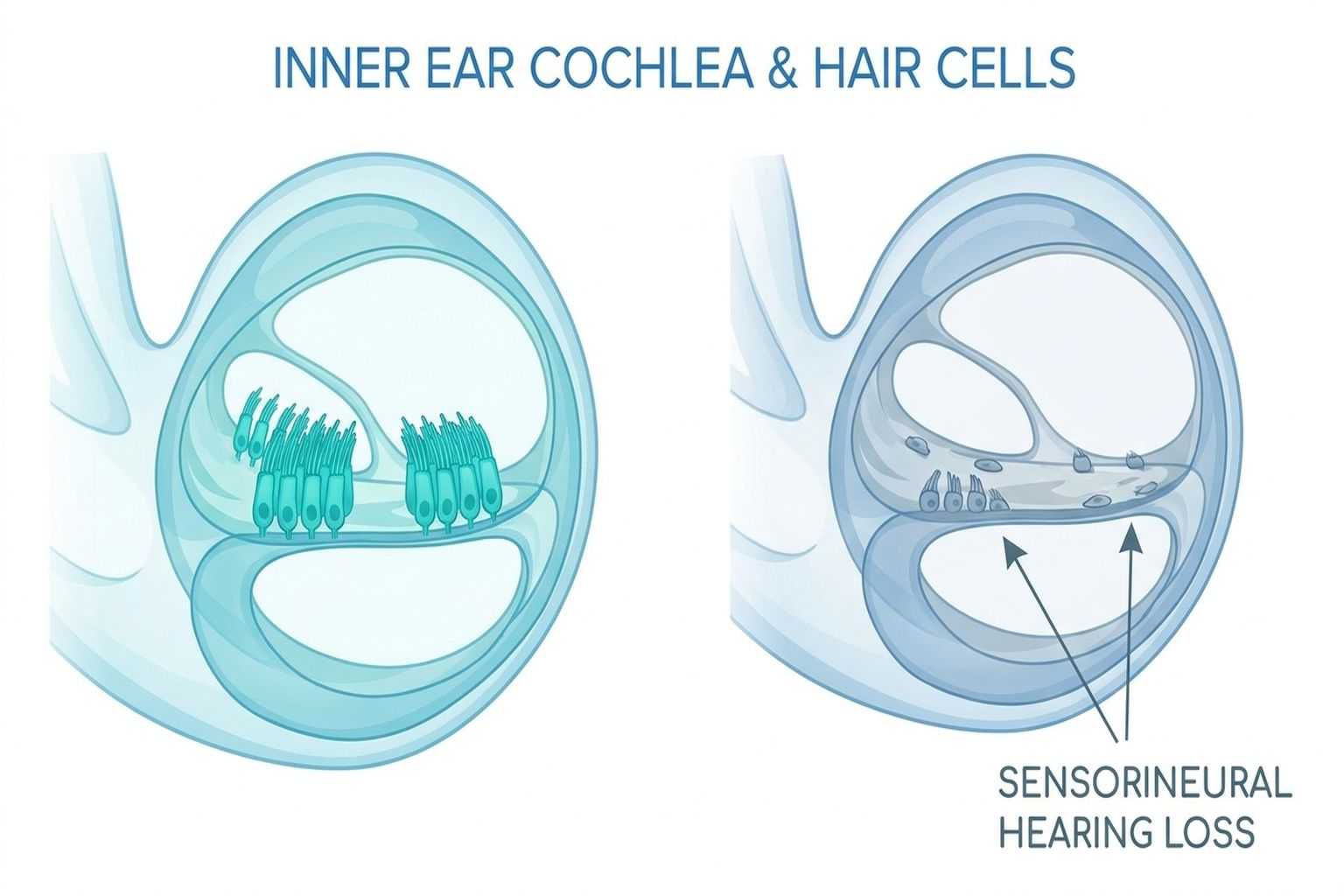
Doctors identify a specific cause in only about 10 to 15 percent of cases, which is why most instances are classified as idiopathic sudden sensorineural hearing loss. However, several known triggers and risk factors have been identified through research and clinical experience:
- Viral infections are the most commonly suspected cause. Viruses that cause upper respiratory infections, herpes simplex, or influenza can inflame the inner ear or auditory nerve, leading to rapid damage.
- Circulation problems reduce blood flow to the inner ear, which is highly sensitive to oxygen deprivation. Blood clots, narrowed vessels, or cardiovascular conditions can trigger sudden hearing loss.
- Autoimmune conditions cause the immune system to mistakenly attack the inner ear structures, leading to inflammation and hearing damage over hours or days.
- Loud music or sudden acoustic trauma from explosions, gunfire, or extremely loud equipment can physically damage the delicate hair cells in the cochlea.
- Ototoxic medications including certain antibiotics, chemotherapy drugs, and high-dose aspirin can damage the inner ear, sometimes causing sudden hearing loss.
- Head trauma or skull fractures can damage the temporal bone or inner ear structures, leading to immediate hearing loss.
- Meniere disease and other inner ear disorders can cause episodes of sudden hearing loss accompanied by vertigo and tinnitus.
Understanding the potential cause matters because it can guide treatment decisions. For example, if an autoimmune condition is identified, immunosuppressive medications may be prescribed alongside standard steroid therapy. If a viral infection is suspected, antiviral medications might complement the steroid protocol. A thorough evaluation at our hearing healthcare services includes a complete medical history review to identify potential causes.
Sudden Hearing Loss Symptoms: What to Watch For
Recognizing the signs of sudden hearing loss early can make a significant difference in treatment outcomes. The symptoms often appear with no warning and may include:
- Muffled hearing in one ear that develops suddenly, as if your ear is blocked or stuffed with cotton
- A popping sensation or feeling of pressure in the affected ear, sometimes accompanied by ear pressure
- Tinnitus - ringing, buzzing, or hissing sounds in the affected ear that appear suddenly
- Dizziness or vertigo - a spinning sensation that may accompany the hearing loss, especially if the balance organs are also affected
- Difficulty localizing sound - trouble telling which direction sounds are coming from, a sign that one ear is not functioning properly
- Sensitivity to certain sounds where some frequencies seem distorted or uncomfortably loud even as overall hearing drops
Many people mistake sudden hearing loss for a simple clogged ear caused by earwax or fluid from a cold. This misperception leads to dangerous delays. The key difference is that a clogged ear from wax typically comes on gradually and does not involve the inner ear, while sudden sensorineural hearing loss happens rapidly and requires urgent medical attention. If your hearing drops noticeably over a period of hours or days with no apparent reason, treat it as an emergency and call (813) 345-8135 right away.
Diagnosing Sudden Hearing Loss
A prompt and accurate diagnosis is critical for effective treatment. When you visit Ear to Hear for a suspected sudden hearing loss, our licensed specialists conduct a comprehensive evaluation:
Medical History and Symptom Review
Your specialist will ask detailed questions about when the hearing loss started, whether it came on gradually or suddenly, any accompanying symptoms like tinnitus or dizziness, recent illnesses, medications you are taking, and any history of head trauma or loud noise exposure. This information helps narrow down potential causes and guides the diagnostic process.
Audiometric Testing
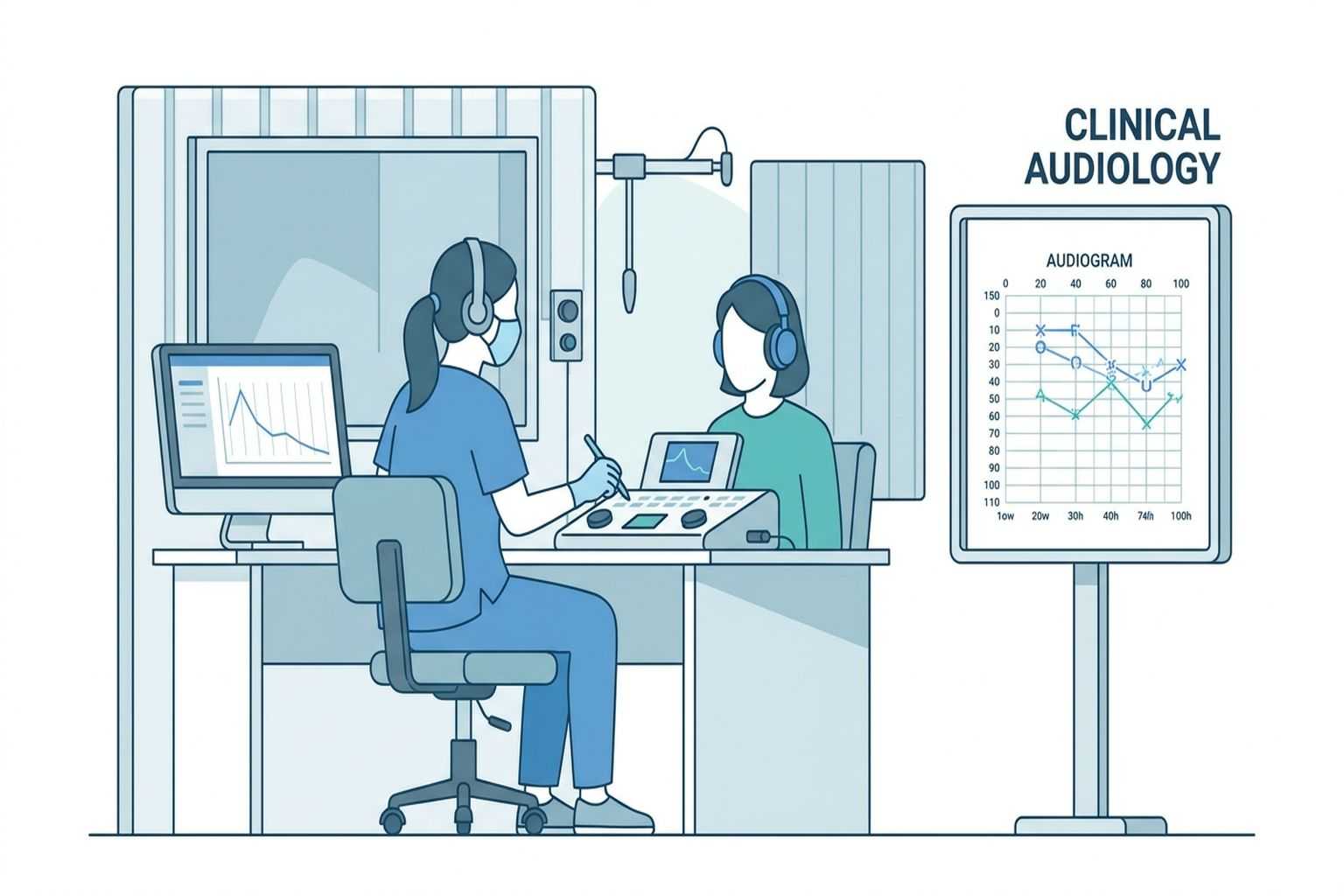
A pure-tone audiogram measures your hearing thresholds across different frequencies. This test is the gold standard for diagnosing SSNHL - it confirms the degree and type of hearing loss and establishes a baseline for tracking recovery. Your specialist may also perform speech audiometry to assess how well you understand words at different volumes. A tympanometry test checks middle ear function to rule out conductive hearing loss, which has different treatment pathways.
Additional Medical Evaluation
In some cases, your specialist may refer you for imaging studies such as an MRI to rule out acoustic neuroma or other structural causes. Blood tests can identify autoimmune markers or infection indicators. The goal is to determine whether an underlying condition needs specific treatment alongside the standard hearing loss protocol. Early diagnostic testing at our hearing test center gives you the best chance at recovery.
Sudden Hearing Loss Treatment Options
Treatment for sudden hearing loss is most effective when started within the first 72 hours of symptom onset. The standard treatment approach includes:
Steroid Therapy
Steroid therapy is the most widely used and effective initial treatment for sudden sensorineural hearing loss. Systemic steroids, typically oral prednisone, reduce inflammation in the inner ear and auditory nerve. Treatment usually begins at a high dose and tapers over 10 to 14 days. Research shows that patients who begin steroid therapy within the first two weeks have significantly better recovery rates than those who delay treatment. In cases where oral steroids are not effective or cannot be tolerated, intratympanic steroid injections deliver medication directly into the middle ear for a more concentrated effect on the inner ear structures.
Antiviral and Antibiotic Medications
If a viral or bacterial infection is suspected as the underlying cause, your physician may prescribe antiviral or antibiotic medications alongside steroid therapy. These are not standard on their own but can complement steroids when the cause is identifiable.
Hyperbaric Oxygen Therapy
Some clinical studies suggest that hyperbaric oxygen therapy may improve recovery outcomes when combined with steroid treatment, particularly when started early. This treatment involves breathing pure oxygen in a pressurized chamber to increase oxygen delivery to the inner ear.
Hearing Aids for Lasting Loss
If hearing does not fully recover, hearing aids can help manage the lasting effects. Modern rechargeable hearing aids and Bluetooth hearing aids offer advanced sound processing that compensates for the specific frequencies affected by your hearing loss. For some patients, a BTE hearing aid provides the power and clarity needed for single-ear hearing loss, and CROS systems can route sound from the affected ear to the good ear for better spatial awareness.
Recovery and Long-Term Outlook
Recovery from sudden hearing loss varies significantly from person to person. Some patients experience spontaneous recovery without treatment, while others see improvement only with prompt medical intervention. The factors that influence recovery include how quickly treatment begins, the severity of the initial hearing loss, the underlying cause, and your overall health.
Recovery Statistics
Research indicates that approximately 32 to 65 percent of people with SSNHL recover some or all of their hearing. Those who begin treatment within the first 72 hours have the highest recovery rates. Patients with mild to moderate hearing loss tend to recover more fully than those with severe to profound loss. The first two weeks after onset are the most critical window for effective initial treatment, and most recovery happens within the first month.
What to Expect During Recovery
Recovery often happens gradually rather than all at once. Your specialist will schedule follow-up hearing tests to track your progress and adjust treatment if needed. If your hearing does not improve with initial steroid therapy, your doctor may recommend intratympanic steroid injections as a second-line approach. Throughout the recovery process, protecting your ears from further damage is essential - avoid loud environments and use hearing protection when necessary.
Long-Term Management
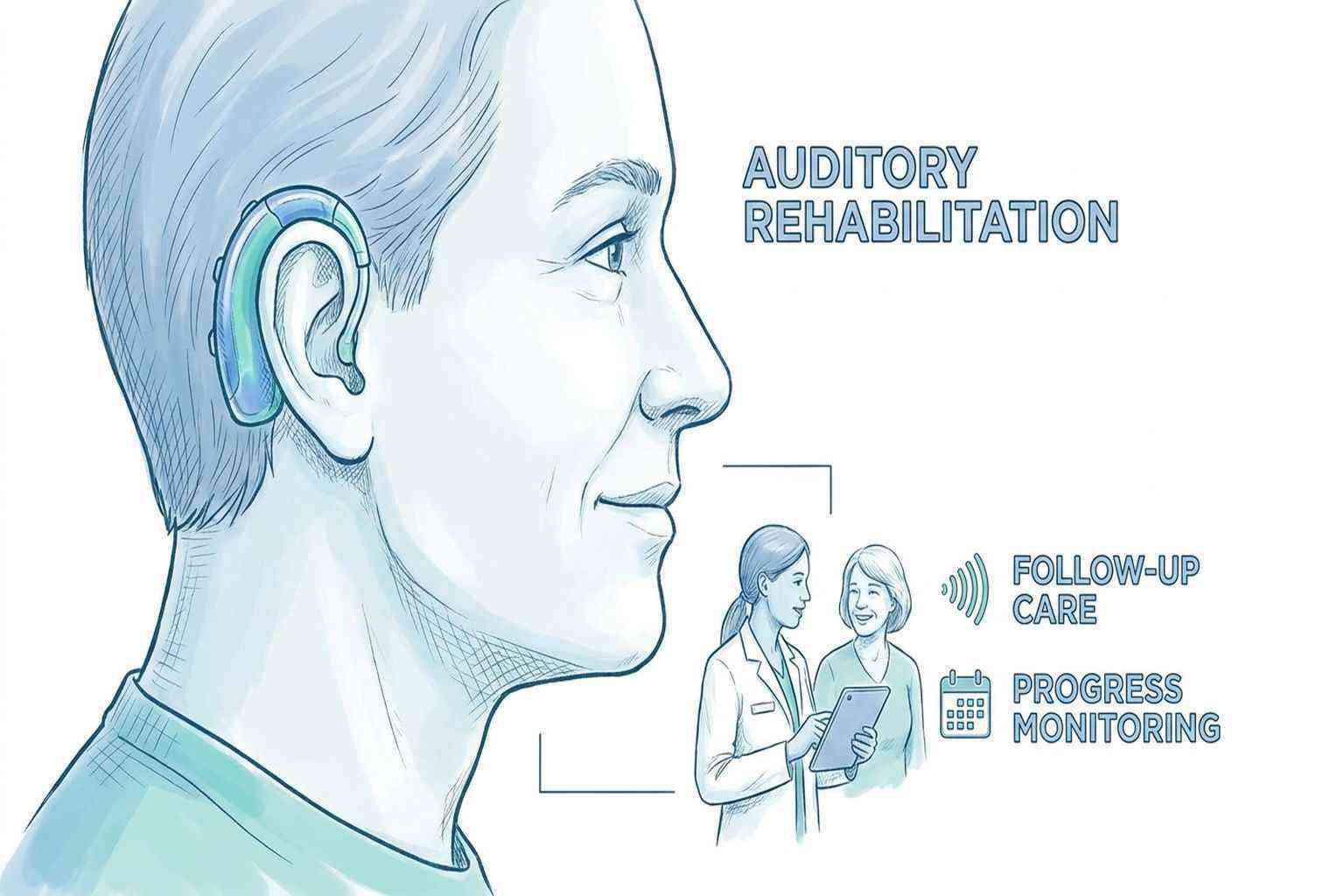
For patients whose hearing does not fully recover, long-term management options include hearing aids, assistive listening devices, and auditory rehabilitation. If you experience tinnitus alongside hearing loss, our hearing aids for tinnitus can provide relief through masking features. Annual hearing evaluations help monitor your hearing health and catch any changes early. Schedule an appointment at Ear to Hear or call (813) 345-8135 to begin your evaluation.
Experiencing Sudden Hearing Loss? Act Now
Sudden hearing loss is a medical emergency. The sooner you get a hearing test, the better your chances of recovery. Schedule an immediate appointment with our licensed specialists today.
Sudden Hearing Loss Frequently Asked Questions
Viral infections are the most frequently suspected cause of sudden sensorineural hearing loss, though doctors identify a definitive cause in only about 10 to 15 percent of cases. Other common triggers include circulation problems that reduce blood flow to the inner ear, autoimmune conditions, exposure to loud music or sudden acoustic trauma, ototoxic medications, and head trauma. Because most cases are classified as idiopathic, meaning the cause is unknown, treatment focuses on reducing inflammation through steroid therapy rather than addressing a specific underlying condition. A thorough medical evaluation can help identify potential causes in some cases.
Yes, recovery is possible and happens in 32 to 65 percent of cases. The likelihood of recovery depends heavily on how quickly treatment begins. Patients who start steroid therapy within the first 72 hours have the highest recovery rates. Other factors include the severity of the initial hearing loss, your overall health, and the underlying cause. Most recovery occurs within the first month, with the first two weeks being the most critical window. If hearing does not fully recover, hearing aids and other assistive devices can help manage the lasting effects and restore functional communication.
Brief episodes of muffled hearing in one ear can have several causes. Eustachian tube dysfunction from allergies or a cold can temporarily block pressure equalization, causing momentary muffled hearing that resolves with swallowing or yawning. Changes in ear pressure from altitude shifts, such as during air travel or driving in mountains, can also produce brief muffled hearing. However, if the muffled hearing persists for more than a few minutes or keeps recurring, it may indicate early sudden sensorineural hearing loss, which requires immediate medical evaluation. A hearing test from a licensed specialist can distinguish between temporary pressure changes and a more serious inner ear problem.
Sensorineural hearing loss from damage to the inner ear hair cells is generally permanent, as these cells do not regenerate in humans. However, sudden sensorineural hearing loss can sometimes be partially or fully reversed if treated promptly with steroid therapy, which reduces inflammation and can restore function to damaged but not destroyed hair cells. Conductive hearing loss, which affects the outer or middle ear, can often be reversed through medical or surgical treatment. For permanent hearing loss, hearing aids provide effective management by amplifying the specific frequencies you have difficulty hearing, restoring clear communication and quality of life.