
Key Takeaways
- Widex and Signia both operate under the WS Audiology group, but each keeps its own chips, apps, and sound philosophy.
- Widex Allure and Moment hearing aids prioritize natural, zero-delay sound, which makes them a proven fit for musicians and tinnitus relief.
- Signia IX hearing aids sharpen group conversations with augX focus and improve own-voice comfort.
- Both brands offer rechargeable models, Bluetooth streaming, and remote care through their apps.
- Your hearing test results shape which platform fits you better than any brand ranking.
- Ear to Hear fits both brands in Florida, Illinois, and Missouri. Call (813) 345-8135 to book a free test.
Choosing between Widex and Signia hearing aids starts with an honest fact: both brands share a parent company, yet they sound and feel noticeably different. At Ear to Hear, our licensed specialists fit both brands, and we put together this hearing aids comparison so you arrive at your fitting with clear expectations. Widex leans toward the most natural sound in the industry. Signia leans toward sharp speech clarity in busy rooms.
This guide walks through sound quality, noise performance, connectivity, battery life, styles, tinnitus features, apps, and pricing for both brands. You will also learn how a hearing test shapes the final call, because your audiogram matters more than any brand ranking.
Widex vs Signia Hearing Aids at a Glance
| Feature | Widex | Signia |
|---|---|---|
| Sound philosophy | Natural, zero-delay sound | Speech clarity in noise |
| Flagship platform | Allure with W1 chip | Integrated Xperience (IX) |
| Standout strength | Music and tinnitus relief | Group conversations |
| Battery options | Disposable and rechargeable | Disposable and rechargeable |
| Streaming tools | Bluetooth, TV Play, COM-Dex | Bluetooth, StreamLine Mic and TV |
The short version: Widex aims for sound that disappears into the background of your life, while Signia aims for speech that cuts through a crowded table. Everything else, from batteries to apps, is closer than you might expect.
Shared Ground: The WS Audiology Connection
Widex was founded in Denmark in 1956 and stayed family-run for generations. Signia carries the engineering heritage of Siemens, which built hearing instruments for more than a century before rebranding. In 2019 the two companies merged under the WS Audiology group.
Each brand kept its own research teams, chip platforms, and sound philosophy, so this remains a genuine competition between two distinct product lines. That shared DNA shows up in dependable build quality and strong service networks on both sides. The listening experience, however, stays clearly different.
Widex Hearing Aid Technology Overview
Widex builds its reputation on processing speed. The human ear tolerates very little delay between a sound entering a hearing aid and reaching your eardrum. Too much delay creates an artificial, echo-like quality that many long-time wearers describe as sounding "tinny" or metallic.
Widex Allure
The Allure is the current flagship platform, built on the new W1 chip. Its ZeroDelay technology processes sound faster than the ear can perceive the gap, which delivers a natural sound balance that tracks closely with real, unaided hearing. Clarity Boost adds AI-driven enhancement for speech when noise rises. You can explore the full lineup on our Widex hearing aids page.
Widex Moment
The Moment platform put Widex on the map for zero-delay sound, and it remains a proven performer. Its PureSound program removes the artificial echo that plagued older devices. Many first-time wearers tell us the Moment sounds closer to how they remember hearing. The platform also includes SoundRelax tones for tinnitus relief and a full family of receiver-in-canal styles.

Signia Hearing Aid Technology Overview
Signia engineers its devices around one core problem: understanding speech when everyone talks at once. Where Widex chases natural realism, Signia chases conversational clarity, and its current technology reflects that focus.
The Integrated Xperience Platform
The IX platform is the current Signia flagship. Its augX focus feature scans the soundscape hundreds of times per second and sharpens speech from the directions you face. The result is real help in group conversations, which have always been the hardest listening situation for hearing aids. Our Signia hearing aids page covers every model built on the platform.
Signia Assistant and Remote Care
The Signia Assistant is an AI guide inside the Signia app that learns your listening preferences and suggests adjustments when environments change. Combined with teleCare support, it lets our specialists fine-tune your devices between office visits. Wearers who travel often or live far from a clinic get real value from this remote care system.
Sound Quality: Natural Sound vs Speech Clarity
Sound quality is where the Widex vs Signia question gets decided for most people, and the two brands take opposite routes to the same goal.
Widex hearing aids are known for a subtly textured, natural sound signature. Zero-delay processing preserves the harmonics that make a violin sound like a violin and a voice sound like your spouse rather than a recording. Wearers frequently describe the sound as "incredibly natural" compared with older devices they tried.
Signia hearing aids emphasize speech clarity and volume balance. The Own Voice Processing system gives your own voice a natural register instead of the boomy, plugged-ear effect that makes some people abandon hearing aids in the first week. If your top frustration is missing words in conversation, Signia leans in your direction.
Neither approach is objectively better. The right choice depends on what you listen to most and how your brain reacts to amplified sound.
Performance in Background Noise
Restaurants, family gatherings, and busy stores are the proving grounds for any hearing aid, and both brands handle them with different tactics.
Signia pulls ahead for many wearers in diffuse, multi-talker noise. AugX focus locks onto the conversation you face and softens the competing chatter behind you. Independent testing and user reports consistently rank Signia among the strongest performers for speech-in-noise, and group conversation is where Signia shines brightest.
Widex relies on fast, transparent processing rather than aggressive filtering. The result keeps ambient sound natural instead of squashed, which some wearers prefer. In steady background noise like fans or road noise, Widex feels effortless. In rapid multi-talker situations, some wearers give Signia the edge.
A real fitting test with your own ears settles this faster than any spec sheet. Both brands offer trial periods, and we program both using your audiogram before you decide.

Bluetooth and Connectivity Features
Both platforms stream calls and audio from modern phones, but the details differ enough to matter.
Signia pairs with iPhone and Android through made-for-all Bluetooth LE Audio support on IX models, and the StreamLine Mic accessory adds hands-free calling. StreamLine TV pipes television audio straight to your hearing aids with no lag.
Widex Moment streams from iOS devices directly, and the COM-Dex accessory handles Android phones and hands-free calls. TV Play is the Moment's dedicated television streamer, and the Allure platform adds Auracast broadcast audio support for public venues that roll it out. Our Bluetooth hearing aids guide covers how streaming affects battery drain.
If you stream for hours every day, tell your specialist. Streaming-heavy users often do better with rechargeable models, which we cover next.
Battery Life and Charging Options
Both brands sell disposable and rechargeable versions, and battery life is one of the closest ties in this comparison.
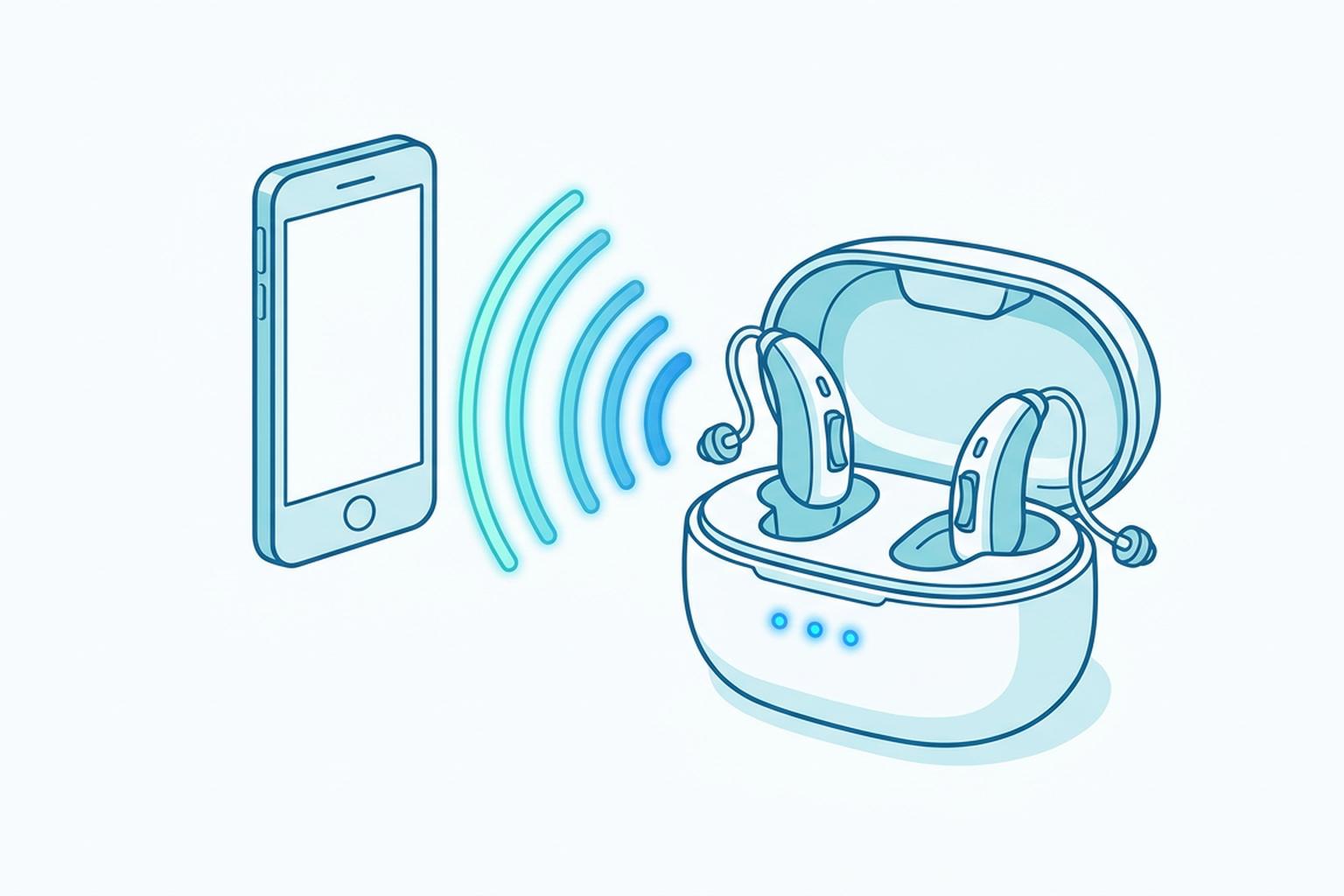
Widex rechargeable Moment and Allure receiver-in-canal models deliver roughly a full day per charge, with a four-hour full charge and quick top-ups that add hours in minutes. Signia's rechargeable IX models deliver similar all-day runtime, with charging cases that add portable power for travel.
The real difference shows up in custom in-ear styles. Signia offers the Insio ChargeGo IX, a custom-fitted in-the-ear device with a rechargeable battery, which is rare in the industry. Widex custom devices mostly run on disposable size 10 or 312 batteries.
Disposable batteries still make sense for people with dexterity challenges, since twisting a small door open beats handling a charging dock. Our rechargeable hearing aids guide breaks down the honest trade-offs.
Hearing Aid Styles and Design
Both brands cover the full style range, from near-invisible in-canal devices to powerful behind-the-ear models for severe hearing loss.
Signia Style Options
Signia's Styletto IX is the style play of the category: a slim, fashion-forward receiver-in-canal device with a charging case that looks like designer tech. Signia also offers classic behind the ear hearing aids for higher hearing losses, plus in-the-canal and completely-in-canal custom shells.
Widex Style Options
Widex covers receiver-in-canal, behind-the-ear, and custom in-ear styles across Allure and Moment families. The Widex custom line has a smoother shape that many wearers find comfortable for all-day wear, and the Moment RIC R D hides well behind the ear for its power class.
For severe to profound loss, both brands offer power behind-the-ear models, so style choice rarely eliminates either brand on its own.
Tinnitus Relief Features
Tinnitus relief is a category where Widex has built a specialist reputation over decades.
Widex SoundRelax plays fractal tones modeled on ocean-wave patterns that blend with your tinnitus instead of masking it harshly. Many wearers use the program during quiet evenings when ringing feels loudest. Combined with the natural amplification of the Moment and Allure platforms, Widex remains a trusted pick for controlling tinnitus alongside hearing loss.
Signia offers notch therapy and static noise tinnitus programs through its app, which helps many wearers manage daytime ringing. The Signia approach works, though it arrived later and carries less specialist history than the Widex program.
If tinnitus drives your search, read our hearing aids for tinnitus guide, then ask your specialist to demo both tinnitus systems in the same visit.
Music and Everyday Listening
Musicians consistently rank Widex among the top-rated brands for music fidelity, and the reason is physics.
Zero-delay processing keeps the harmonic structure of instruments intact, so piano notes decay naturally and voices carry their full texture. Professional reviewers and amateur players alike describe the Allure as the closest approximation to unaided listening among current premium devices. If you play an instrument, sing, or attend concerts, this matters more than any marketing chart.
Signia handles music well through its dedicated music program, which reduces the aggressive speech filtering that can flatten recordings. In blind listening tests some listeners still prefer Signia for live music with vocals. For most everyday listeners, streaming quality, phone calls, and podcasts sound excellent on both platforms.
Apps and Remote Care
Both brands ship full-featured smartphone apps, and the experience is closer than ever.
The Widex app controls volume, programs, and streaming balance, and it feeds data to your specialist for remote fine-tuning. The Signia app does the same and layers in the Signia Assistant for AI-guided adjustments. Both apps support telecare sessions, so snowbirds and frequent travelers can get support in any state where we operate.
The honest difference is interface taste. Signia's app leans conversational, while Widex keeps a traditional control-panel feel. Try both in the office before you commit, since you will open this app every day.
Pricing and Value Comparison
Widex and Signia both sit in the premium tier, and neither brand wins a price war because they hold similar price points.
Premium devices from either brand generally run between two and four thousand dollars per pair, depending on technology level, style, and the service package bundled with your fitting. Widex sells the Allure in multiple performance levels, and Signia tiers the IX platform similarly, so trimming features trims cost on both sides.
What matters more than sticker price is what the fitting includes. Real-ear measurement, follow-up visits, cleaning, and warranty terms vary more between clinics than between these two brands. Our specialists include verified measurement with every fitting, because a premium device programmed by guesswork performs worse than a mid-tier device programmed properly.
Insurance and benefit programs can shift the math. Our insurance processing team checks your plan for hearing aid benefits before you order, at no charge.
Ready to Compare Widex and Signia?
Our licensed specialists at Ear to Hear fit both brands and can program a demo of each using your hearing test results. Schedule a free hearing test or call (813) 345-8135.
Which Hearing Aid Is Right for You?
After fitting both brands for years, our specialists see clear patterns in who thrives on each platform.
Choose Widex if you value natural sound above all, play or love music, struggle with tinnitus, or found older hearing aids sounding artificial. Choose Signia if you fight hardest in restaurants and meetings, want help with group conversations, prefer a slim fashion-forward design, or need a custom rechargeable in-ear device.
Still torn? You are not alone. Many wearers demo both in the same week, and side-by-side listening settles the debate fast. You might also compare other pairs we have reviewed, like Signia vs Phonak hearing aids or Phonak vs Oticon, since both comparisons cover the same decision points.
What to Expect at Your Hearing Aid Fitting
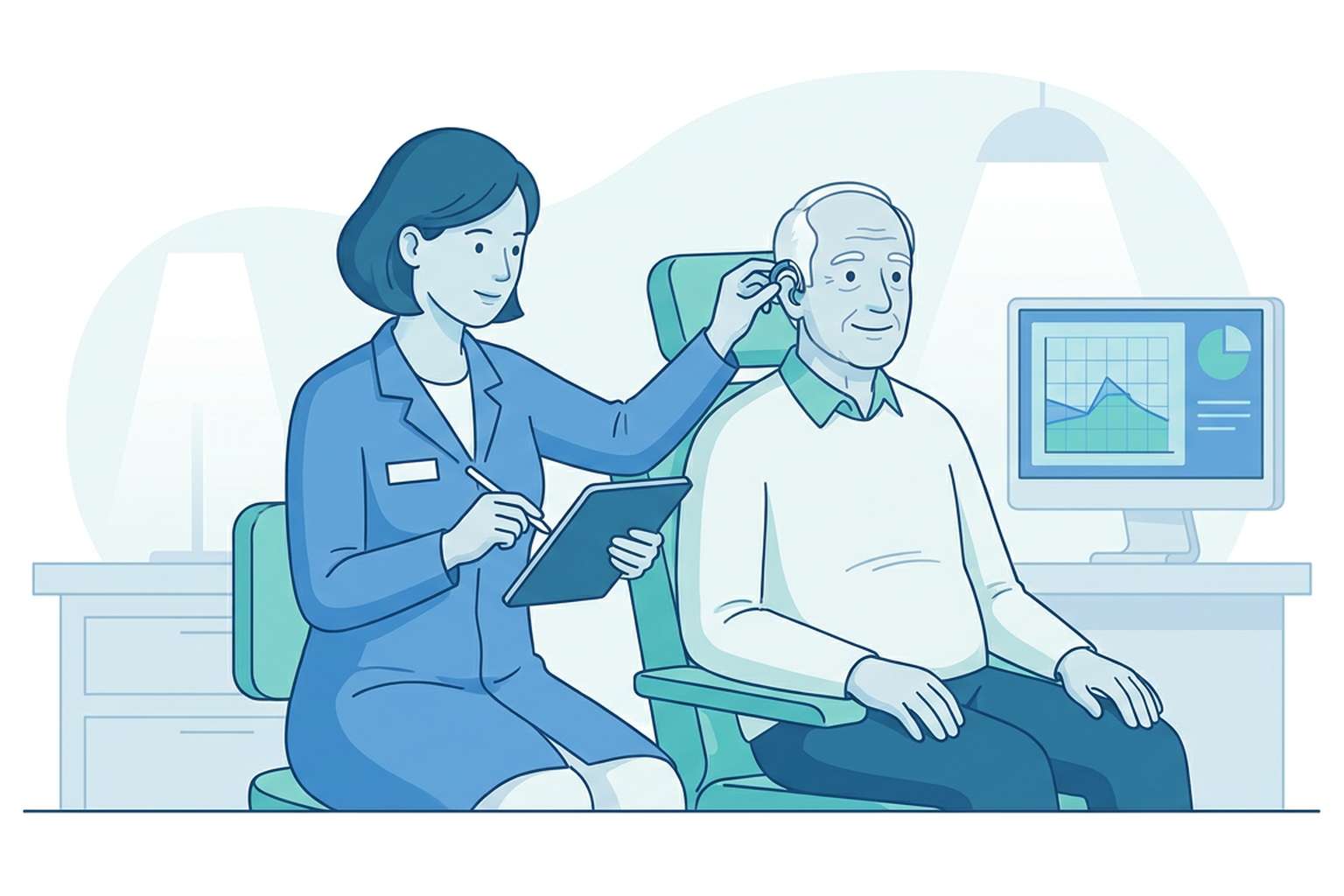
Every Ear to Hear fitting starts with a complete hearing test that maps your thresholds across the speech range. Your specialist then programs the devices to your audiogram, targets verification with real-ear measurement, and sets the gain for your loss profile rather than a factory default.
You leave the first visit with demo devices in most cases, wearing them in your real environments for a trial window. Honest feedback during the trial drives the final programming, and we keep fine-tuning until speech sounds clear in your world, not just our sound booth. Call (813) 345-8135 with questions during your trial and a specialist will walk you through adjustments.
How Ear to Hear Can Help You Choose
Ear to Hear is a multi-state audiology clinic with licensed specialists across Florida, Illinois, and Missouri. We carry both Widex and Signia because choosing one brand for everyone produces poor outcomes for somebody.
Our hearing care services include testing, fittings, cleanings, repairs, and tinnitus management for every device we sell. If you are ready to hear both brands through your own ears, you can Schedule a free hearing test online or call (813) 345-8135. The visit costs nothing, and you will leave knowing exactly which platform fits your hearing and your life.
Frequently Asked Questions
Yes. Widex has built trusted hearing instruments since 1956, and the Allure and Moment platforms earn top-rated reviews for natural sound, music fidelity, and tinnitus relief. Independent testing places Widex among the strongest premium brands for sound quality, and their devices are known for dependable daily performance.
The best Signia model depends on your hearing profile. Styletto IX suits style-conscious wearers with mild to moderate loss, Pure IX delivers the full feature set, Insio ChargeGo IX offers a custom rechargeable in-ear fit, and motion charge and go models serve active users. Your audiogram and lifestyle determine the right pick better than any single model ranking.
Both are premium brands with strong noise handling, but Oticon opens the full 360-degree soundscape for awareness, while Signia augX focus sharpens the conversation you face. Oticon leans toward brain-first processing, while Signia leans toward front-focused speech clarity. Our Oticon vs Signia comparison covers the details.
No single device earns that title for every person, because hearing profiles differ too much. Premium platforms from Widex, Signia, Phonak, and Oticon all score well in independent studies, and the highest rated device for you is the one programmed to your audiogram with verified measurement. A demo fitting beats any ranking list.
References
- National Institute on Deafness and Other Communication Disorders. "Hearing Aids." nidcd.nih.gov.
- Widex. "Allure: The New Flagship Hearing Platform." widex.com.
- Widex. "ZeroDelay Technology and PureSound Processing." widex.com.
- Signia. "Integrated Xperience Platform." signia-hearing.com.
- Signia. "Styletto IX Product Overview." signia-hearing.com.
- HearingTracker. "Widex vs Signia Model Comparison Data." hearingtracker.com.
- Healthy Hearing. "Widex Hearing Aids Review." healthyhearing.com.
- Healthy Hearing. "Signia Hearing Aids Review." healthyhearing.com.