
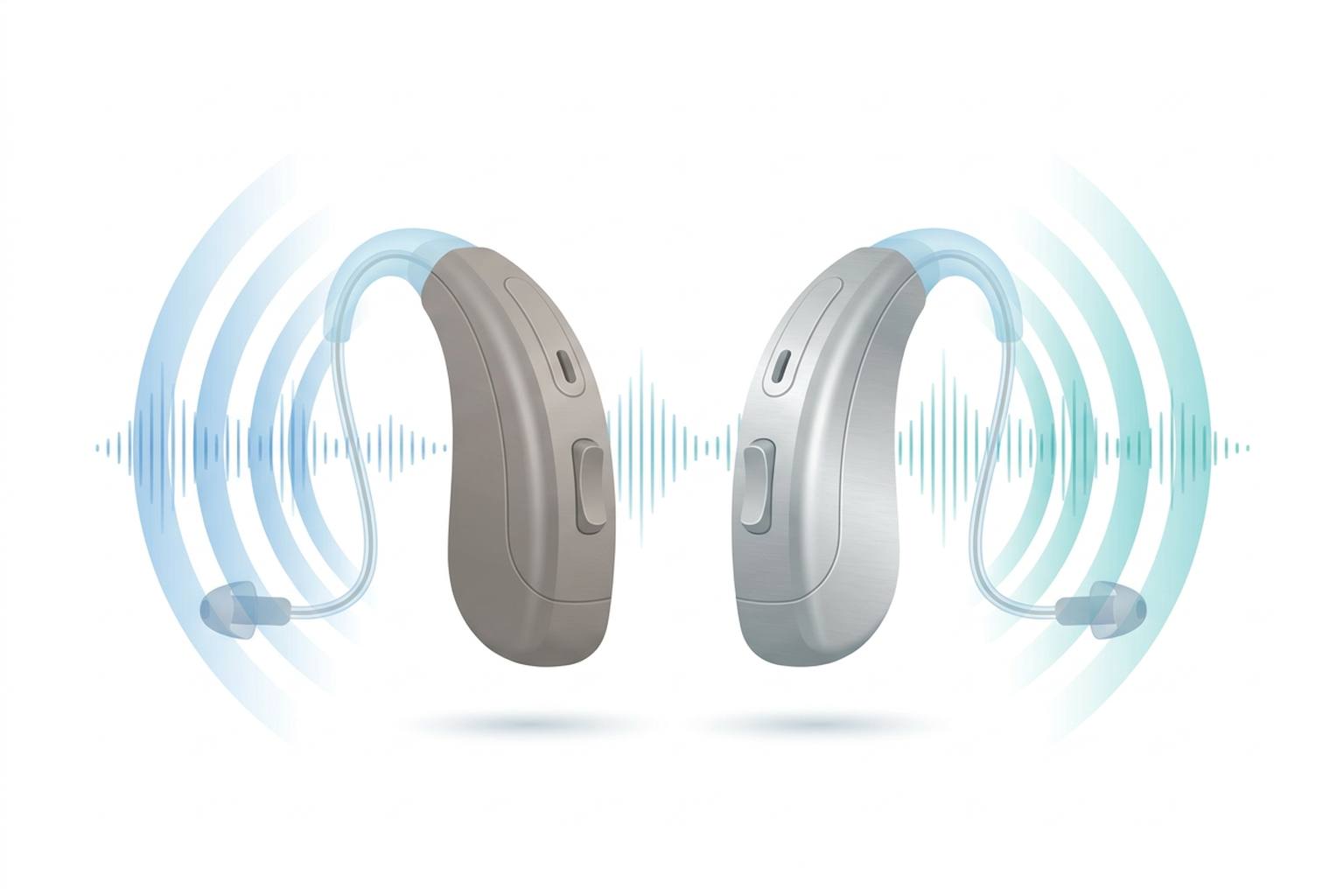
Choosing between ReSound and Phonak hearing aids means comparing two of the most trusted names in hearing technology. At Ear to Hear, our licensed specialists fit both brands every week, and we know the right pick depends on your hearing loss, your phone, and your budget. If you are shopping for hearing aids for the first time or upgrading an older pair, this guide breaks down how the two brands stack up in 2026.
Both manufacturers released major flagship platforms this fall. ReSound launched the Sensia family with AI driven denoising, and Phonak answered with the Audéo EON Sphere. The differences show up in sound philosophy, battery life, connectivity, and price. Our team fits thousands of patients across Florida, Illinois, and Missouri, and we break down the key differences below so you can walk into a demo knowing what to listen for.
Key Takeaways
- ReSound Sensia, released fall 2026, adds AcoustIQ environment classification, automatic DNN denoising, and Clear Focus beamforming, with up to 24 hours of battery life in rechargeable styles.
- Phonak Audéo EON Sphere runs the new HYPERSONIC chip for speech separation and lasts up to 38 hours per charge in a shell 25 percent smaller than its predecessor.
- Both platforms support Auracast, Bluetooth streaming, and rechargeable styles, so the real choice comes down to sound processing and lifestyle fit.
- Phonak keeps AI denoising active for single-ear users, while ReSound Sensia needs a matched pair for its binaural AI features to engage.
- Hearing aid prices for both brands sit in the same premium tier, and a verified professional fitting matters more than the brand on the box.
- Call Ear to Hear at (813) 345-8135 for a free hearing test to demo both brands before you decide.
Understanding ReSound and Phonak as Brands
ReSound and Phonak sit inside two of the largest hearing care groups in the world. ReSound is built by GN Hearing, a Danish company with more than 150 years of acoustic engineering behind it. Phonak belongs to Sonova, a Swiss group whose products once filled the Costco hearing aid aisle. Both companies invest heavily in research and produce some of the most dependable hearing devices on the market.
The two brands also split on heritage. ReSound shipped the first made-for-iPhone hearing aid back in 2014, and GN still leads on LE Audio support. Phonak built its name on power and universal connectivity, with classic Bluetooth pairing that works with almost any phone, including Android models that older Apple-only aids ignored. Search interest in ReSound Phonak comparisons spikes every fall when both companies release new flagship models, and 2026 delivered a big one from each side.
ReSound Hearing Aid Technology Overview
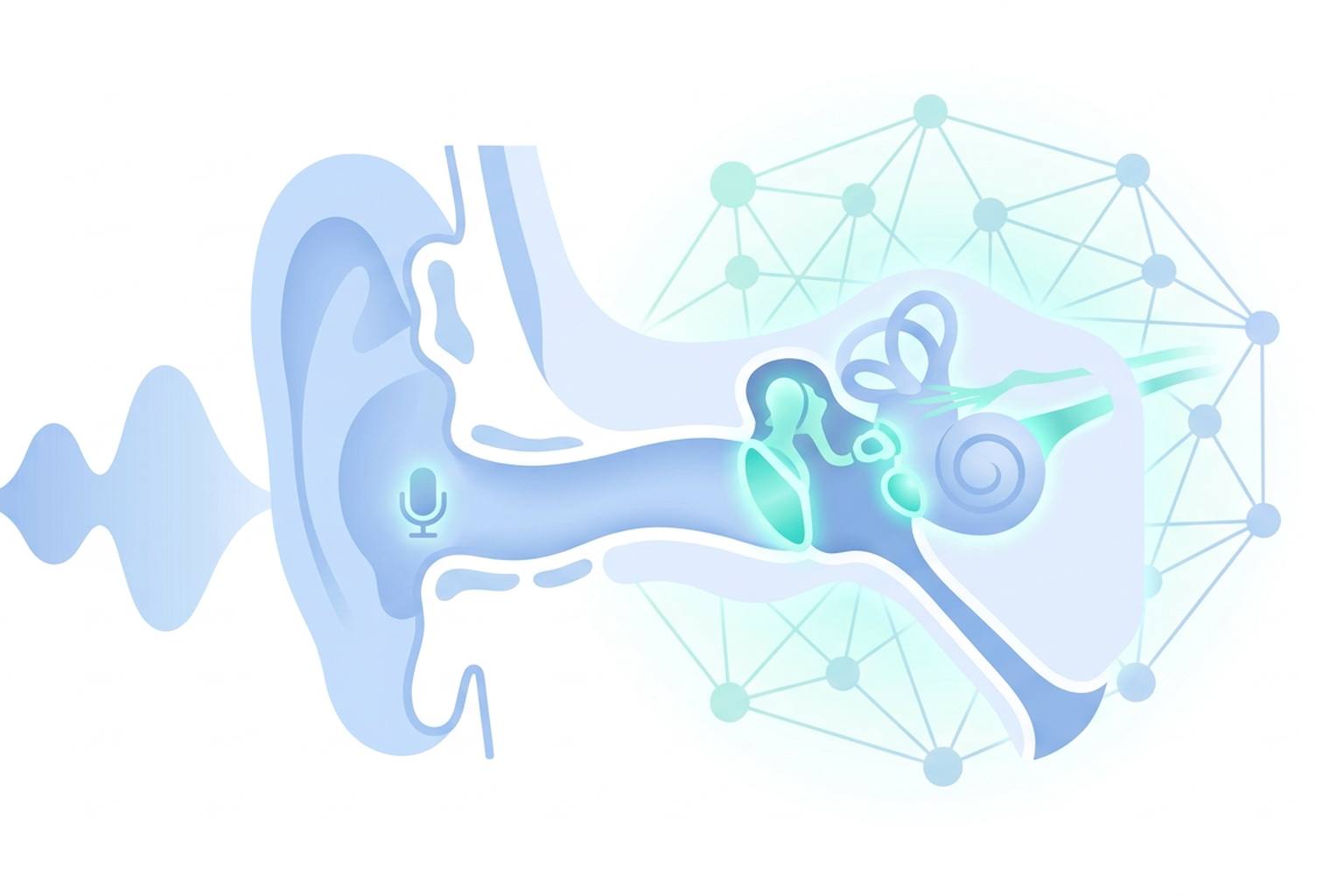
The current ReSound flagship is the Sensia platform, released in August 2026. Sensia pairs a deep neural network denoiser that now activates automatically with Clear Focus beamforming, which narrows the listening beam toward the person speaking. A feature called AcoustIQ classifies your environment and balances the two systems in real time, so the aids shift from a quiet office to a loud restaurant without you touching a button.
GN rates the rechargeable microRIE and custom in-ear styles for a full day of use, with typical battery life landing at 24 hours and up to about 30 hours for lighter use. Every Sensia model carries an IP68 rating against dust and water, all models support Auracast broadcast audio, and two styles include a telecoil for loop systems. Technology levels run from 4 to 9, and the top tier unlocks the Intelligent All-Around program. If you wore earlier ReSound hearing devices like OMNIA or Vivia, Sensia keeps the same natural sound signature while adding the new AI layer on top.
Phonak Hearing Aid Technology Overview
Phonak's answer is the Audéo EON Sphere, the first hearing aid on the company's new HYPERSONIC chip. Phonak says the EON Sphere is about 25 percent smaller and 20 percent lighter than the previous Infinio Sphere flagship, and it still carries a second AI processor dedicated to separating speech from noise.
Battery life is the headline spec: up to 38 hours on a single charge, even with streaming. The lineup includes standard and rechargeable receiver-in-canal styles plus the CROS EON R for single-sided deafness, a category where Phonak has a long head start. The EON family also added Auracast support this generation.
The platform pairs with Roger On Sphere, a companion microphone that streams a speaker's voice straight into both hearing aids across a noisy dinner table. For monaural listeners, Phonak keeps its AI denoising active even when you wear one aid, which matters if you have usable hearing in only one ear.
Sound Quality Comparison
The two brands process sound differently, and our patients notice it within the first week of wear. ReSound keeps more of the full sound scene intact and balances voices against background naturally, which long-time wearers often describe as relaxed and organic. Phonak zeroes in on the dominant speaker and suppresses competing noise harder, which delivers aggressive speech recognition in tough rooms.
Neither approach is objectively better. People who work in group settings or love busy restaurants often prefer the Phonak presentation. Music lovers and patients with mild loss often prefer the ReSound signature because it preserves depth and space. If you have tinnitus, both platforms include relief programs, and our best hearing aids for tinnitus guide covers how we tune them.
Performance in Background Noise
Background noise is where flagship platforms earn their price, and both 2026 releases brought real upgrades. ReSound Sensia turns its DNN denoiser on automatically, so you get noise support without flipping programs. Clear Focus beamforming then narrows attention to the voice in front of you. One catch: Sensia's binaural AI features depend on two hearing aids talking to each other, so single-ear wearers lose part of that benefit.
Phonak EON Sphere takes the opposite approach. Its HYPERSONIC chip classifies the scene and isolates speech even in a monaural fitting, which gives it an edge for asymmetric hearing loss. Add the Roger On Sphere microphone and Phonak still leads for the hardest listening situations, like wedding receptions and lecture halls. Our Phonak vs Oticon comparison covers how these noise strategies stack up against another major brand.
Bluetooth and Connectivity Features
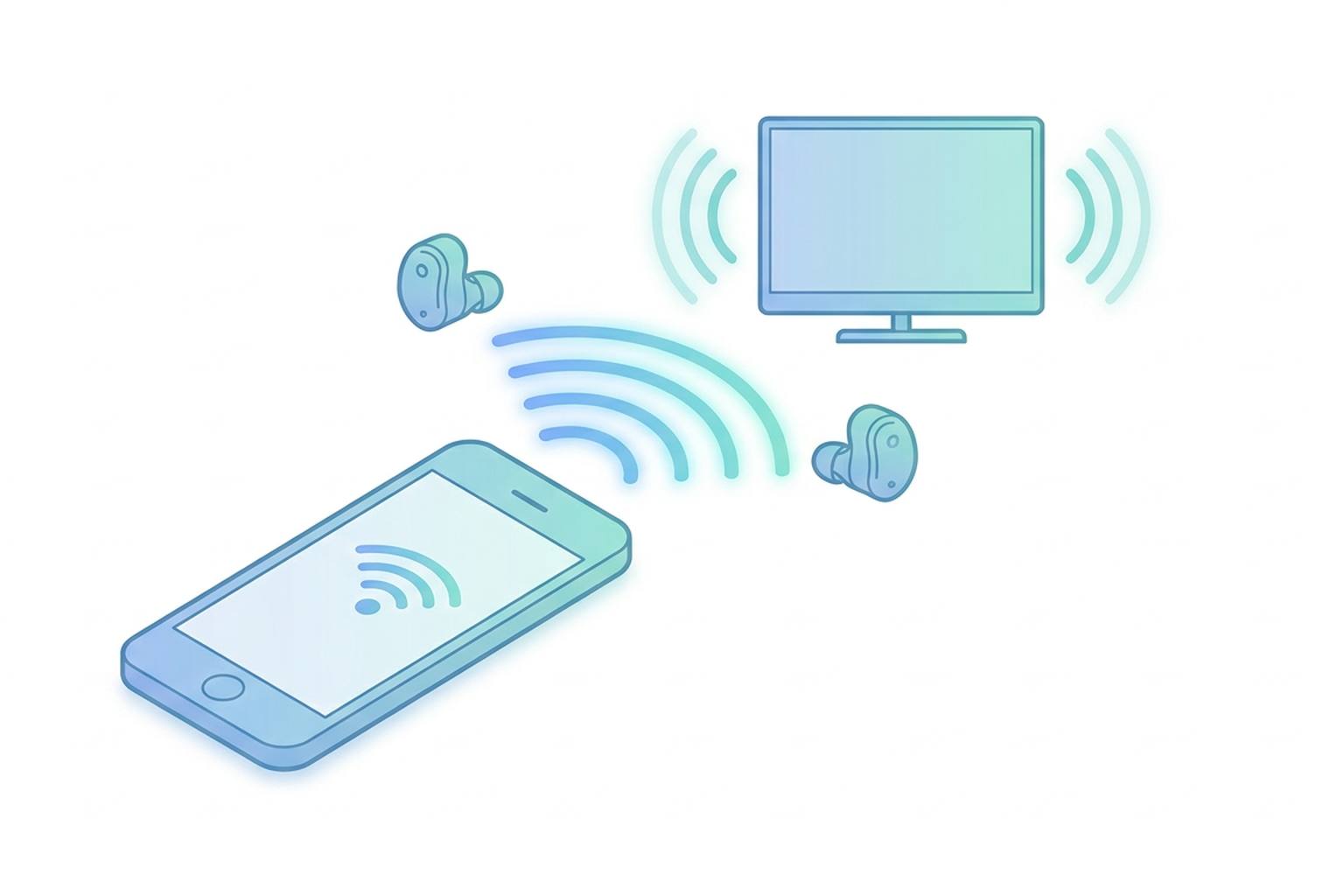
Connectivity has historically been the sharpest split between the brands. ReSound pushed LE Audio early, and every Sensia model supports Auracast, the new broadcast standard that streams audio from TVs, airport gates, and lecture halls without pairing. ReSound app control works on both iPhone and Android.
Phonak uses classic Bluetooth, so EON hearing aids pair with almost any phone, tablet, or computer without an extra streamer device. Both platforms handle hands-free calls on compatible phones, and both offer dedicated TV connectors. If you stream podcasts or music for hours a day, our Bluetooth hearing aids guide explains the battery tradeoffs and pairing quirks in plain language.
Battery Life and Rechargeable Options
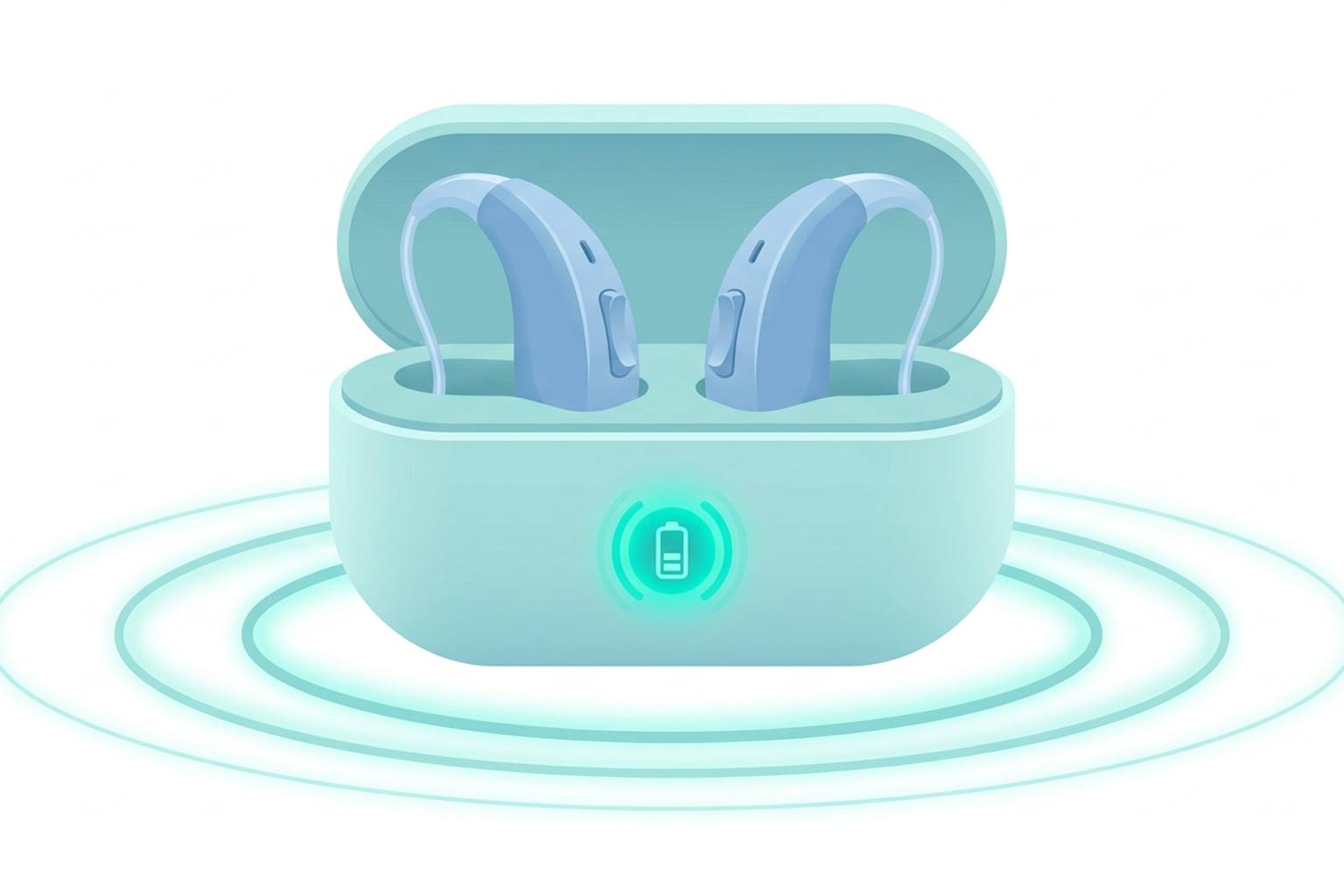
Battery life is the clearest spec difference between the 2026 flagships. Phonak EON Sphere leads with up to 38 hours per charge. ReSound Sensia rates at 24 hours typical, with up to about 30 hours when you stream less, and its custom in-ear styles still hold a full day. Both brands also offer disposable battery styles in sizes 312 and 13 for patients who prefer swapping batteries over charging.
Rechargeable lithium-ion cells have become the default for good reason. They hold capacity for four to five years, seal against moisture, and drop into a charger overnight. If you travel or camp without reliable outlets, Phonak's longer runtime gives real peace of mind. Our rechargeable hearing aids guide compares charging cases and daily-use habits in more detail.
Hearing Aid Styles and Design
Both brands cover the full range of hearing aid styles, so fit alone rarely decides this matchup. The question is which style suits your loss and dexterity, then which brand builds that style better for your ear.
Behind the Ear (BTE)
Traditional behind the ear models house all electronics in a shell behind your ear and route sound through tubing. Phonak and ReSound both offer BTE power styles for severe to profound loss, and our behind the ear hearing aids guide explains who benefits from the format.
Receiver in Canal (RIC)
RIC styles move the speaker into the ear canal and keep the body nearly invisible. ReSound Sensia microRIE is the brand's smallest rechargeable option, while Phonak's EON receiver-in-canal family includes the compact Sphere models with dual-chip processing.
In the Canal and In the Ear (ITC/ITE)
Custom in-ear models are carved from an impression of your ear. ReSound Sensia offers wireless and rechargeable ITC and ITE options with a full day of runtime, while Phonak covers the category with its Virto custom line.
Completely in Canal (CIC)
The most invisible option sits deep in the canal. ReSound Sensia includes a non-wireless CIC, and Phonak offers custom invisible styles through the same Virto family. Dexterity and wax buildup matter more than brand at this size.
Pricing and Value Comparison
Hearing aid prices for both brands land in the same premium tier, typically several thousand dollars per pair at the top technology level, with lower tiers costing less as features drop away. The exact quote depends on your clinic, bundled services, and warranty length, not on a manufacturer list price.
Value shoppers should know the brands took different paths at big-box retail. Sonova pulled Phonak out of Costco in 2022 to focus on professional channels, while GN, ReSound's parent company, still supplies the Jabra Enhance Pro sold there. Our Costco hearing aids review explains what that channel does well and where a licensed clinic fits better.
Warranty and Follow Up Care
Both manufacturers back premium devices with multi-year repair and loss-and-damage coverage when fitted through a clinic. What varies is the service wrapped around the hardware, so compare fittings, follow up visits, and real ear verification rather than the sticker price alone.
Ready to Compare ReSound and Phonak?
Our licensed specialists at Ear to Hear carry both brands and can help you choose the right hearing aid for your needs. Schedule a free hearing test.
Fitting and Professional Programming
Two hearing aids with identical specs can perform differently depending on who programs them. Real ear measurement verifies the amplification you actually receive at your eardrum, and it is the single biggest predictor of satisfaction with a new pair. Our hearing aid fitting process includes verification on every pair we dispense, because your long term hearing health depends on accurate gain, not brand loyalty.
Programming also shapes brand differences. A skilled fitter can tune a Sensia toward sharper noise reduction or soften a Phonak profile to taste. That is why we start every patient with a diagnostic hearing test and a conversation about where you struggle most, and why our hearing care services include unlimited fine tuning during your trial period.
Trial Period and Adjustment
Your ears and brain need weeks to adjust to any new device, so both brands support trial windows through professional clinics. Plan on a few follow up visits in the first two months, when we measure, tweak, and re-verify your settings. Minor issues like feedback or a loose fit are fixable, and warranty service keeps downtime short.
Give each platform at least two weeks of real-world wear before you judge it. If something still feels off after that, our team can reprogram, switch styles, or swap brands within your trial. Small problems get handled quickly through our hearing aid repair service.
How Ear to Hear Can Help You Choose
At Ear to Hear, we carry both ReSound and Phonak because no single brand wins every ear. Our licensed specialists demo both platforms in your actual listening life, then program your final choice with verified measurements. You can Schedule a free hearing test at any of our clinics across Florida, Illinois, and Missouri, or call (813) 345-8135 to compare both brands the same day.
The brand matters less than the match between your audiogram, your lifestyle, and your fitter's skill. We stock the full technology range from both manufacturers, honor manufacturer warranties, and keep both demo units on hand so you can hear the difference yourself before you spend anything.

Frequently Asked Questions
Starkey is the major American brand among the six global hearing aid makers, alongside Phonak, ReSound, Oticon, Signia, and Widex. Starkey's 2026 Omega AI+ platform layers health features like fall detection on top of neural processing, while Phonak EON Sphere pushes harder on speech separation and universal Bluetooth connectivity. The right pick depends on whether safety features or raw speech clarity drives your decision, and we demo both at Ear to Hear. Our Signia vs Phonak guide covers another popular matchup.
Phonak's parent company, Sonova, voluntarily stopped selling its products through Costco in November 2022. The company said it wanted to focus the Phonak brand on strategic professional channels and step back from large retail chains. It was a distribution decision, not a quality problem, and devices already fitted through Costco kept their service support. Costco now sells hearing aids built by other manufacturers, including GN, the company behind ReSound.
The Phonak Audéo EON Sphere is the brand's 2026 flagship and the model most patients mean when they ask for the newest Phonak. It runs the HYPERSONIC chip for speech separation, lasts up to 38 hours per charge, and supports Auracast. Patients who need single-sided coverage use the CROS EON R, and budget-conscious patients can choose lower EON technology levels that keep the core sound with fewer automatic features. The best model is the one matched to your audiogram, which a fitting appointment determines.
The usual culprits are a dead battery, a clogged wax guard, or a blocked microphone port. Swap in a fresh battery or check the charge level first, then replace the wax filter and brush the microphone openings dry. If the aid still stays silent, moisture or an internal fault may be to blame and it needs professional attention. Our repair team can usually restore sound the same day, so call us at (813) 345-8135 rather than living with silence.
References
- GN Hearing. "New ReSound Sensia hearing aids lift the voice you want to hear." resound.com, August 2026.
- HearingTracker. "ReSound Sensia Launch: AI That Follows the Voice You Want to Hear." hearingtracker.com, 2026.
- HearingTracker. "Costco Hearing Aids in 2026: Models, Features, Prices, and Reviews." hearingtracker.com, 2026.
- Audiology Associates. "The 6 Hearing Aid Platforms to Know in Fall 2026." audiologyassociates.org, October 2026.
- ReSound. "ReSound Sensia: AI Hearing Aids That Hear in Noise." resound.com, 2026.