
Phonak vs Widex Hearing Aids: Which Brand Is Right for You
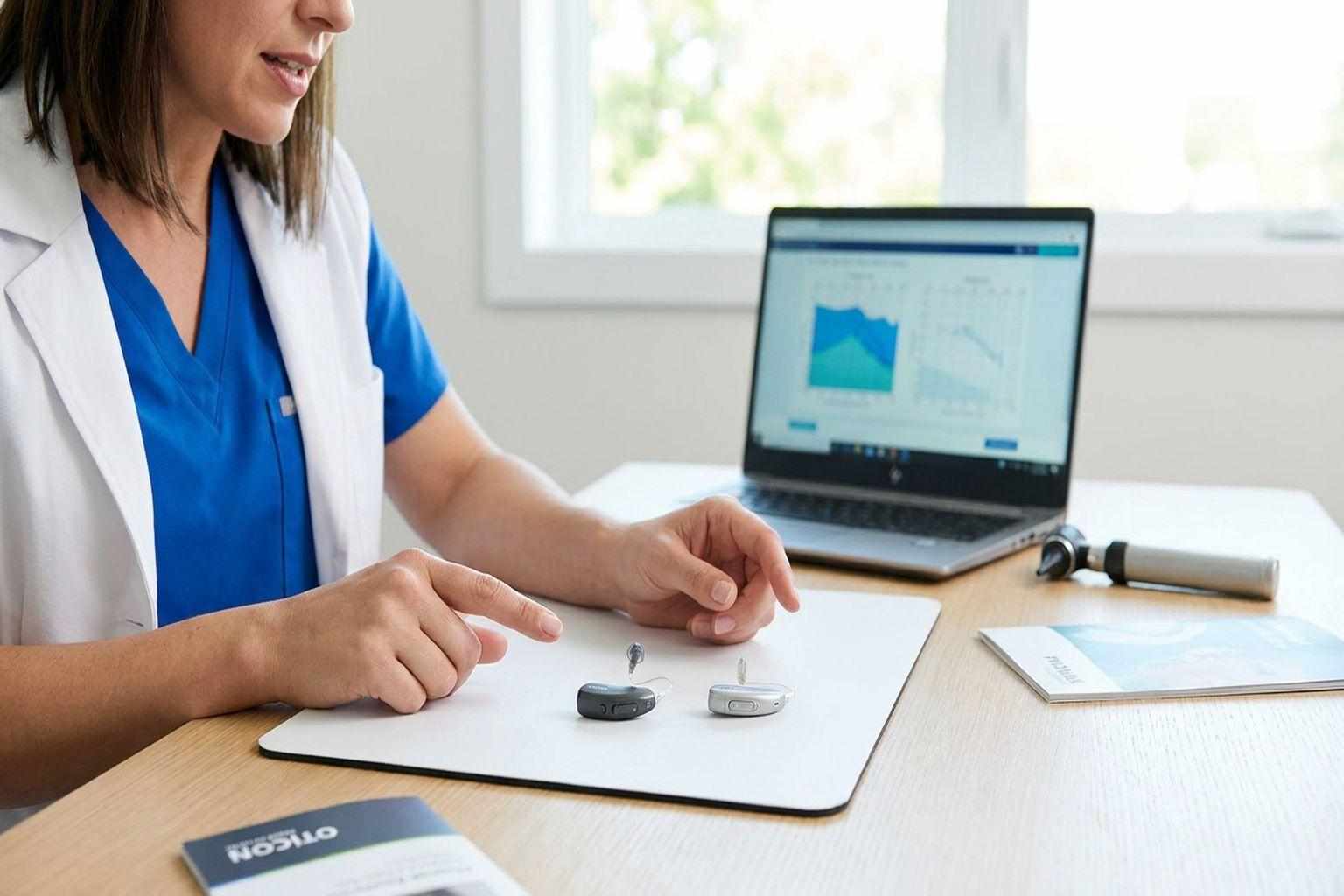
Phonak and Widex have built two of the best-known hearing aid platforms in the world, and they are not built for the same listener. Phonak, the larger of the two, concentrates on speech clarity in real-world noise and offers the widest range of styles and power levels. Widex concentrates on preserving natural sound quality, using ultra-low-delay processing that keeps the world sounding like itself. For most people the right question is not "which brand is better" but "which one matches my hearing loss, my environments, and my priorities."
This guide compares the two across sound quality, noise performance, battery life, Bluetooth, styles, apps, tinnitus features, and pricing, and finishes with a plain-language answer to the only question that matters: who should pick Phonak, and who should pick Widex. about 15 percent of American adults report some degree of hearing trouble, which is one reason a genuine free 7-day hearing aid trial matters more than any comparison chart.
Phonak vs Widex Hearing Aids at a Glance
| Phonak | Widex | |
|---|---|---|
| Current flagship platform | Audeo Infinio, including Infinio Sphere | Allure, powered by the W1 chip |
| Signature strength | Speech clarity in noise | Natural sound via zero-delay processing |
| Standout technology | Dedicated sphere speech chip, AutoSense OS, Roger accessories | W1 chip, on-demand AI Clarity Boost, PureSound ZeroDelay |
| Range of formats | Very wide, from custom in-ear to ultra-power behind-the-ear | Mainly receiver-in-canal and slim behind-the-ear |
| Rechargeable options | Yes, most models | Yes, most models |
| Tinnitus features | Focused on the fitting itself; sound therapy as separate tools | SoundRelax fractal tones built in |
| Where it has the edge | Profound loss, classrooms, travel, harsh noise | Natural sound, music, and listening comfort |
Where Phonak and Widex Agree
Both are long-established European manufacturers with global provider networks, and both sit in the "premium prescription hearing aid" tier you'll see across Ear to Hear's full line of hearing aids. Both build their main receiver-in-canal lines rechargeable, both stream calls and audio from iPhone and Android, and both support modern Auracast broadcast audio in their newest platforms. Both adjust to your hearing test results through professional software, and no device from either brand is one-size-fits-all. If you are cross-shopping these two names, you are already shopping serious products from serious companies; the decision comes down to fit for your ears and your life.
Phonak Hearing Aid Technology Overview
Phonak's current flagship line is Audeo Infinio, and its most interesting version is Infinio Sphere. Phonak hearing aids describe Sphere as carrying two processors: the main sound platform plus a dedicated second chip trained on millions of everyday sound samples to separate speech from surrounding noise. The result, which Phonak calls Spheric Speech Clarity, is aimed at one specific problem: understanding one person in a loud restaurant. Phonak's published material. Sphere also adds motion sensing so the aid knows whether you are still or moving, which changes how aggressively it cleans up sound.
The rest of the Phonak range is the widest in the industry. The Lumity generation remains a proven mid-tier performer, Virto custom in-ear models disappear inside the ear canal, Naida handles severe-to-profound loss, and the CROS system covers single-sided hearing. Phonak's AutoSense OS switches programs automatically as you move between environments, so you spend less time fiddling. Their Roger microphone Accessories, a separate transmitter kit you can place near a speaker, remain the standard fix for classrooms, tour groups, and restaurants with brutal acoustics.
Widex Hearing Aid Technology Overview
Widex's current flagship is Allure. Widex's own documentation describe the W1 chip at its core as the most powerful processing engine Widex has shipped, running the company's zero-delay sound pathway with far more headroom than the previous generation. Clarity Boost applies AI enhancement on demand, for the moments when speech is competing with noise. Allure also carries SoundAssist, which lets you fine-tune how the aid balances natural sound versus assistance in the moment. Widex's own documentation
The Moment family preceded Allure, with Moment Sheer as the last model of that generation, and it is still the reference point for Widex's philosophy: process sound with as little delay as possible, so the ear hears a natural acoustic scene instead of a compressed version of one. Widex claims this zero-delay pathway is why wearers who rejected other devices often accept Moment or Allure. Both platforms include SoundRelax, built-in fractal tones designed to take the edge off tinnitus, and SoundRelax appears across the Widex range rather than being reserved for a premium tier.
Sound Quality: Speech Focus vs Natural Sound
This is the real fork in the road between these two brands, and it is worth understanding before you book a fitting. Phonak's engineering centers on speech intelligibility. Modern Phonak devices classify your scene, beam toward speech, and in the Sphere generation apply the dedicated sphere chip's trained separation between voice and background. The result is aggressive speech clarity. Some listeners describe Phonak sound as bright or engineered; it is tuned so you can follow a conversation, not so the world sounds untouched.
Widex approaches from the opposite end. ZeroDelay processing keeps the gap between sound entering the aid and sound arriving at your eardrum close to the physical minimum, which prevents the artificial, phase-shifted quality that made earlier hearing aids from every manufacturer feel unnatural. Widex devices are the ones audiologists reach for when a client says "everything sounds synthetic." Musicians, and people whose complaint is sound quality rather than clarity, tend to land here.
Which is better? Neither. Starkey vs Phonak for speech-in-noise performance, or read our Widex vs Signia for Widex paired against its own sister company. The decision is what you want optimized.
Performance in Background Noise
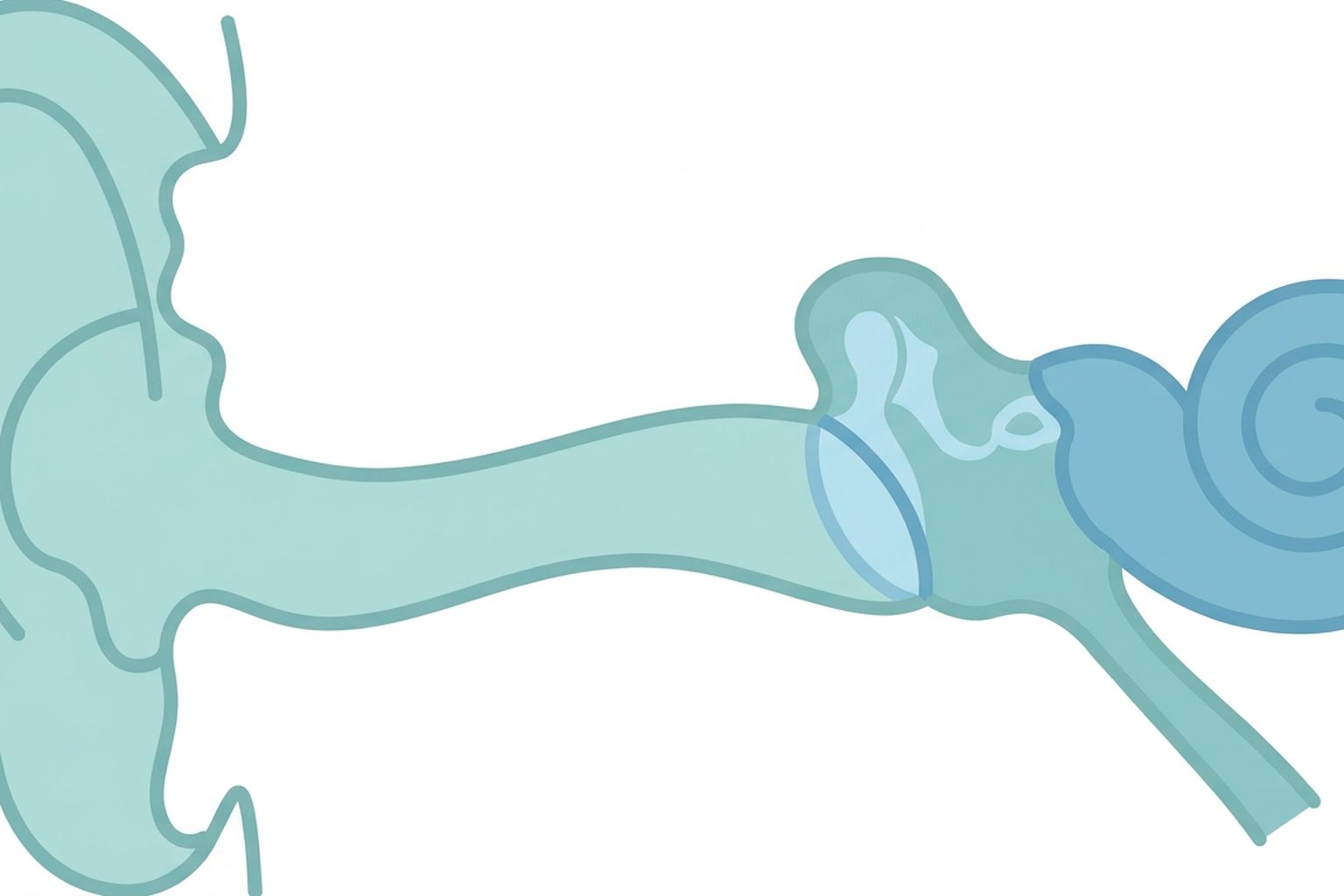
For most buyers this single category decides the purchase, because restaurants, family gatherings, and open offices are where hearing aids get tested in real life. Phonak has invested years of engineering, and now billions of parameters of trained AI, into exactly this problem. On paper and in provider feedback, Infinio Sphere is the stronger speech-in-noise performer of the two platforms. Its dedicated sphere chip was designed for it.
Widex is not weak here, it is just tuned differently. Allure's Clarity Boost applies AI enhancement when you call for it, which is a real tool in noisy rooms, and Widex's ultra-low-delay processing keeps the noise floor itself fromnatural. Some wearers prefer Widex's approach in noise because the environment still sounds like itself, others find Phonak lifts the voice more decisively. Try both in the environments where you fail most. This is exactly the comparison a week of real-world free trial settles.
Battery Life and Charging Options
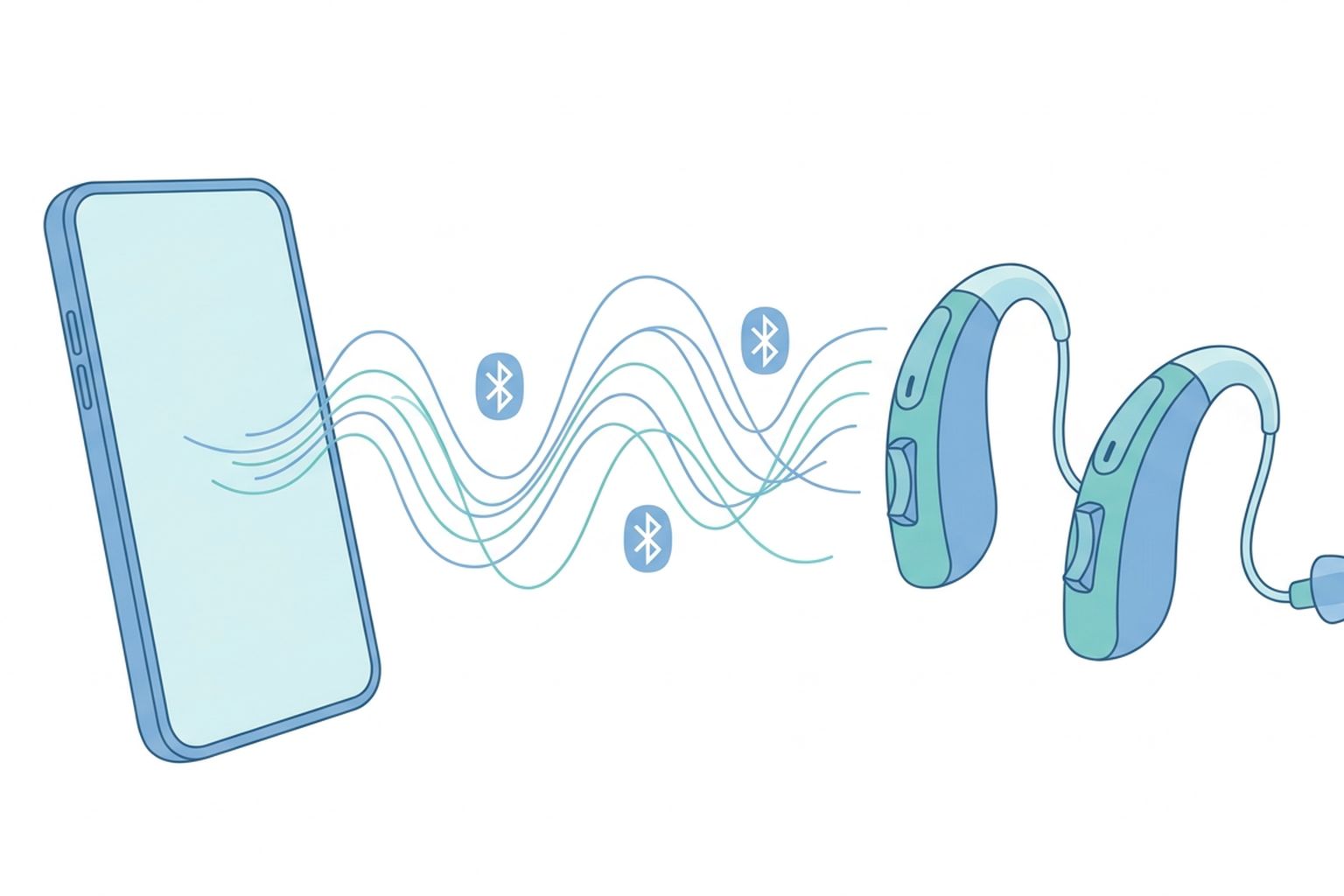
Both brands run lithium-ion rechargeables across their main receiver-in-canal lines, and both charge overnight in a case. A full hearing day, including a couple of streaming hours, is comfortably handled by both. Real-world runtime shifts with battery size in the model you are fitted with, and with how much you stream. Ask your provider to walk you through the runtime your actual model delivers after your real day. If you are coming from disposable-battery hearing aids, both makers still offer battery-powered variants in selected models, though the industry, including both of these brands, is moving steadily toward rechargeable.
Bluetooth Streaming and Connectivity
Both companies treat streaming as a core feature, not an accessory. Phonak hearing aids and Widex hearing aids both stream calls and media from iPhone and Android directly to the aids, and both support Auracast broadcast audio in their newest platforms, the emerging standard that lets public venues broadcast sound straight to hearing aids. Phonak's historical edge here is its Roger accessory ecosystem, which extends streaming to microphones worn by a teacher, guide, or colleague and remains unmatched for distance speech. Widex counters on directness and simplicity of its app-based controls. For phone-heavy users and frequent streamers, both are genuinely strong; the Roger system is the tiebreaker if distance listening like classrooms or conference rooms is part of your life.
Hearing Aid Styles and Design
Phonak's style range is industry-leading. Custom invisible-in-canal models, slim receiver-in-canal devices for all-day comfort, Naida power behind-the-ear instruments for severe-to-profound loss, and CROS/BiCROS systems for single-sided hearing, all current. Widex's range is deliberately narrower and centered on its receiver-in-canal and slim behind-the-ear lines, which are among the smallest in the industry in their class. If you want the aid to disappear inside the ear canal, or you need maximum power for a severe loss, Phonak's breadth means a natural fit sooner. If you want the smallest, best-looking receiver-in-canal device and your loss is mild to moderately severe, Widex's range is competitive and refined.

Smartphone Apps and Remote Care
Both brands ship full-featured apps. Phonak's app handles volume, program switching, streaming balance, and remote adjustments from your provider, and supports the AutoSense automation that decides most of it for you. Widex's app gives precise control over its sound profiles and also supports remote fine-tuning, so a provider can adjust the devices without an office visit. Both offer telecoil-equipped variants and both support direct streaming from phone calls, which matters more day to day than most spec differences. Reviewers of the latest hearing aid models rate both mature; neither app should decide the purchase.
Music and Everyday Listening
If you listen to music the way some people follow sports, Widex has a strong claim on you. ZeroDelay processing preserves the timing relationships in a musical performance that heavier processing can smear, and the SoundRelax and music programs are specifically tuned to keep instruments sounding like themselves. Audiologists routinely note Widex's reputation with musicians. Phonak does offer a dedicated music program and its devices are fully capable of it, but the brand's engineering priority is unambiguous speech clarity in noise. If your most precious listening is a grandchild's voice in a crowded room, that priority serves you. If it is a string quartet or a vinyl album, Widex's pathway is built for that moment and it is not an accident.
Tinnitus Relief Features
Widex builds SoundRelax into its platforms, a set of fractal tones engineered to be gentle and pleasant to listen with, designed to give the brain alternative input that takes the edge off ringing. It's a respected, widely used approach, and Widex's whole brand culture treats tinnitus support as a first-class feature. Phonak's approach to tinnitus runs primarily through the fitting itself and, where needed, separate sound therapy tools your provider can pair with the devices. If tinnitus is a primary part of your hearing picture, say so explicitly at your fitting. It is one of the clearer decision factors between these two brands, and one of the reasons the Widex brand hub gets so much traction with tinnitus-aware buyers.
What Living With Each Brand Is Actually Like
Spec sheets compare devices. Ownership is where the brands separate in ways that only show up after a month, and it is the part most comparisons skip. Here is what to expect from each, in plain terms.
Streaming and battery drain. Both brands stream calls and media directly, and both burn through charge faster on heavy streaming days than on quiet ones. On a day of back-to-back calls and podcast listening, plan for noticeably less runtime than the spec claims, on either brand. Neither maker is dishonest about this; usage simply varies more than a single number can express. If you stream for hours daily, ask your provider which model has the larger battery in the format that fits your ears.
App friction. Both apps work reliably once set up, and both occasionally need the aids re-paired after a phone update. Neither app is a reason to choose a brand. Where they differ is philosophy: Phonak's app leans on automation, so you touch it less and it decides more; Widex's app hands you more direct control over how much assistance the aids apply. People who like fiddling with settings tend to prefer Widex's approach, people who want to forget the aids exist tend to prefer Phonak's.
Charging habits. Both are overnight-charge devices in a case. If you travel often, check the case's charge capacity without a wall outlet, because that is the number that decides whether a weekend trip leaves you recharging from a laptop. Both brands offer travel-friendly cases, but not on every model in every tier.
Severe loss and power. If your loss runs severe to profound, Phonak's power instruments and CROS options carry formats Widex simply does not make. Widex performs best in the mild to moderately severe range. This is the single most common reason a buyer ends up in Phonak after wanting Widex on sound quality alone, and it is worth knowing before the fitting rather than after.
Switching brands mid-life. If you have worn one brand for years and are considering the other, expect a reprogramming appointment rather than a swap, and expect the first week to sound wrong simply because it is unfamiliar. Long-time wearers of any brand describe the change as mildly jarring. A week of real wear is the only honest test, which is what our trial is for.
Pricing and Value Comparison
Pricing for both brands is set by the hearing care provider you buy through, and varies by fitting and technology level, so no honest blog post should quote you a specific pair price. National averages and the factors that drive them are broken down in our guide to what hearing aids cost, including how today's pricing compares with the over-the-counter market and what insurance typically does and does not cover. Ear to Hear also handles insurance processing in-house, and our guide to Medicare and hearing aids covers what that pathway actually pays for.
What we will say plainly: both Phonak and Widex are premium-tier manufacturers, neither is the budget option in the market, and the value difference between them comes from which one solves your actual hearing problem, not from a price tag. A fitting that targets your real hearing loss, backed by a provider who programs it properly, outperforms a brand discount every time.
Which Hearing Aid Is Right for You?
Choose Phonak if most of these describe you:
- Speech in noise is your central problem. Restaurants, parties, and meetings are where you fail most, and the Sphere generation's dedicated speech-processing chip targets exactly that.
- Your hearing loss is severe-to-profound, or single-sided, where Starkey and Phonak both lead on power and Widex does not play.
- Distance listening matters: classrooms, travel, conference rooms, church. The Roger accessory ecosystem is the strongest tool in the industry for it.
- You want the widest choice of styles and formats, including custom in-the-ear models that disappear.
Choose Widex if most of these describe you:
- Sound quality is your priority. Hearing aids have always sounded artificial to you, or music matters more to you than cocktail-party clarity. (Some of this same sound-first philosophy shaped Signia's style-first IX line, but Signia tunes closer to Phonak-style speech push.)
- Tinnitus support is a real part of your hearing picture. SoundRelax is built in, not bolted on.
- Your loss is mild to moderately severe and you want a small, refined receiver-in-canal device.
- You prefer a device that leaves the world sounding like itself, and enhances only when you ask for it, which is exactly what Clarity Boost is designed to do.
And if you are cross-shopping other names, our comparisons of Phonak vs Signia, Phonak vs Oticon, Oticon vs Signia, and Signia vs Phonak cover the rest of the brands we fit. best hearing aids for seniors is a good start if age-related loss is the context.
What to Expect at Your Hearing Aid Fitting
Whichever brand you end up in, the fitting itself matters more than the logo, and it usually unfolds like this: a free hearing test establishes your thresholds, the provider builds a fitting prescription from your actual results, and the devices are physically matched to your ear, either with a custom mold or an appropriately sized receiver dome. Real-ear measurements, where the provider checks the sound levels in your ear canal against your loss, are the step that separates a real fitting from a quick demo. Ask if your provider performs them, and know that ours do, including verification of the fit with software the way the manufacturer's target levels specify.
How Ear to Hear Can Help You Choose
We carry and fit both brands, and the honest service version of this entire article is that you do not have to choose from a spec sheet. Book a free hearing test at any of our 12 locations in Florida, Illinois, and Missouri. We process insurance in-house, our providers fit each of the major brands, and if your fitting leaves you unsure between Phonak and Widex, the free 7-day trial is built for exactly that decision. Wear each brand for a few days in your own life, and the question answers itself.
Frequently Asked Questions
Which brand is better for severe hearing loss, Phonak or Widex?
For severe-to-profound loss, Phonak carries the deeper bench. TheVirto and Naida families are built for power fittings, and Phonak's Roger microphone accessories are a practical fix for classrooms, restaurants, and travel when distance and noise are working against you. Widex designs are strongest in the mild-to-severe range, where its receiver-in-canal fittings deliver their signature natural sound. The honest answer is that your audiogram, not the brand name, decides this. A fitting that targets your actual loss thresholds beats a spec sheet every time.
Do Phonak or Widex hearing aids have better battery life?
Both brands run all-day lithium-ion rechargeables in their main receiver-in-canal lines, and both lose meaningful runtime on heavy streaming days. The practical differences come from battery size in the model you are fitted with and how many streaming hours you log, not from the brand logo. Ask your provider what the charge holds after your real day, including a commute, work calls, and an evening out.
Can I try Phonak and Widex hearing aids before I buy?
Yes, and you should. Ear to Hear fits you with real hearing aids for a 7-day free trial, programmed to your hearing test results, so you hear the difference in your own kitchen, car, and workplace instead of a showroom. A week of real listening separates a marketing claim from a device you'll actually want to wear.
Which is better for sound quality, Phonak or Widex?
Depends entirely on what you mean by better. Widex's claim to fame is a zero-delay processing path that keeps sound open and natural, which many listeners and musicians prefer. Phonak's newest platform is aimed squarely at pulling speech out of noise, which is where most real-world complaints land. Try both with your own hearing profile. The better brand is the one that sounds like you, wearing it all day, in your environments.
Ready to hear the difference yourself? Schedule a free hearing test at any of Ear to Hear's 12 locations, or start the 7-day risk-free trial and compare Phonak and Widex in your own life before you spend a dollar.